
Home Blog Page 3

9 Best Apps for Tea Lovers to Download Right Now

0

There are apps for tea lovers for you, whether you’re a fan of black tea, green tea, or herbal tea. There’s nothing like a nice cup of tea. In this article, we’ll look at six of the best apps for tea lovers. When it comes to tea, there’s no wrong way to enjoy it. Whether you like your tea plain or with a little bit of sugar, there’s an app for you.

“Women are like tea bags.They do not know how strong they are until they get into hot water.”

Eleanor Roosevelt

Tea is a beloved beverage around the world and has been for centuries. While some enjoy tea for its caffeine content and others enjoy it for its many health benefits, there is no denying that tea is a delicious drink enjoyed by people of all ages. For tea lovers, many different apps are now available to help you enjoy your favorite beverage even more.

Tea History

Tea is an ancient beverage that has been enjoyed for centuries. The first recorded use of tea dates back to China in the 3rd century BC, and it was first introduced to Japan in the 8th century AD. Since then, tea drinking has become an essential part of Chinese and Japanese culture.

Tea is made from the leaves of the Camellia sinensis plant, and there are many different varieties of tea available, depending on how the leaves are processed. Green tea is made from unfermented leaves and is the most popular tea in China. Black tea is made from fully fermented leaves and is the most popular tea consumed in Britain. Oolong tea is made from partially fermented leaves and is popular in China and Taiwan.

Tea consumption has many health benefits, including reducing stress, boosting energy levels, and aiding digestion. Tea is also a great way to relax and unwind after a long day.

With so many different types of tea available, there’s something for everyone to enjoy. If you’re a tea lover, check out some of these great apps that can help you learn more about tea and find new ways to enjoy your favorite beverage.

Apps for Tea Lovers

If you love tea, there’s an app for that. There are several apps out there designed specifically for tea lovers. TeaTime is one such app. It allows you to keep track of the different types of tea you’ve tried, rate them, and even find new recipes. There’s also a built-in timer to steep your tea perfectly every time.

Tea Apps

Are you looking to switch up your tea routine? These six apps for tea lovers have got you covered, whether you’re looking for new recipes or want to learn more about the different types of tea.

TeaTime

If you’re a tea lover, then you know that timing is one of the most essential things when brewing the perfect cup. So many factors can affect the flavor of your tea, from the type of tea leaves to the water temperature. That’s why having a reliable tea timer is essential for any tea lover. There are a lot of different tea timers on the market, but our favorite is Tea Timer by Tadasaido.

If you love tea, there’s an app for that. There are several apps out there designed specifically for tea lovers. TeaTime is one such app. It allows you to keep track of the different types of tea you’ve tried, rate them, and even find new recipes. There’s also a built-in timer to steep your tea perfectly every time.

Tea App by TeaDB

If you’re looking for a more comprehensive app with a built-in database of tea information, then we recommend Tea App by TeaDB. This app not only lets you set timers and track your brewing progress, but it also gives you access to a wealth of information about different types of tea. It’s great for both beginners and experienced tea drinkers alike. No matter which app you choose, make sure to download one before your next tea party!

Apps for tea lovers
English Harbour, Hurricane Hole

Tea Cup Collection

Tea Cup Collection is a free app that lets you keep track of all the different types of tea you’ve tried. You can rate each one, add notes, and even take photos. Plus, the app automatically tracks how many cups of each type of tea you’ve had. Tea Cup Collection is available for both iOS and Android.

Tea Recipes by Annabel Langbein

Tea Recipes by Annabel Langbein If you’re looking for inspiration, this app features over 200 tea recipes from acclaimed New Zealand chef Annabel Langbein. There’s something for everyone, whether you’re a traditional English breakfast tea fan or want to try something more adventurous like Earl Grey with lavender.

The TeaBook by Teavana

The TeaBook by Teavana is an app that is perfect if you want to learn more about the different types of tea and how to make the perfect cup. The TeaBook includes step-by-step brewing instructions and information on the history and benefits of each type of tea.

MyTEA by T2 Tea

MyTEA by T2 Tea This app is all about customization, allowing you to create your perfect cup of tea by choosing from a wide selection of T2 Tea’s signature blends. MyTEA also includes a handy timer to steep your tea for the ideal time.

The Republic of Tea Steep Me

The Republic of Tea Steep Me! If you’re a fan of iced tea, this app is for you. Steep Me! Includes recipes for cold brew iced tea, as well as tips on how to make the perfect cup of hot tea. There’s also a section on tea etiquette to ensure you’re drinking your tea correctly.

The Art of Tea by David Rio Chai

The Art of Tea by David Rio Chai This app takes a more philosophical approach to tea, with articles on “How Tea Can Enhance Your Meditation Practice” and “Tea Ceremony: A Path to Inner Peace.” You can also use the app to find nearby cafes that serve David Rio Chai products.

World Tea ExpoMobile App

World Tea ExpoMobile App The World Tea Expo is the largest trade show for the global tea industry, and its mobile app is an excellent resource for professionals and enthusiasts alike. The app includes a list of exhibitors and schedules for upcoming events and seminars.

Tea is a beloved beverage worldwide, enjoyed for its taste, health benefits, and ceremonial purposes. There are many different ways to enjoy tea, and there are just as many apps to help tea lovers make the most of their passion.

No matter your tea-related interests, there’s an app out there for you. So go ahead and download a few from our collection of apps for tea lovers, and start exploring the wonderful world of tea!
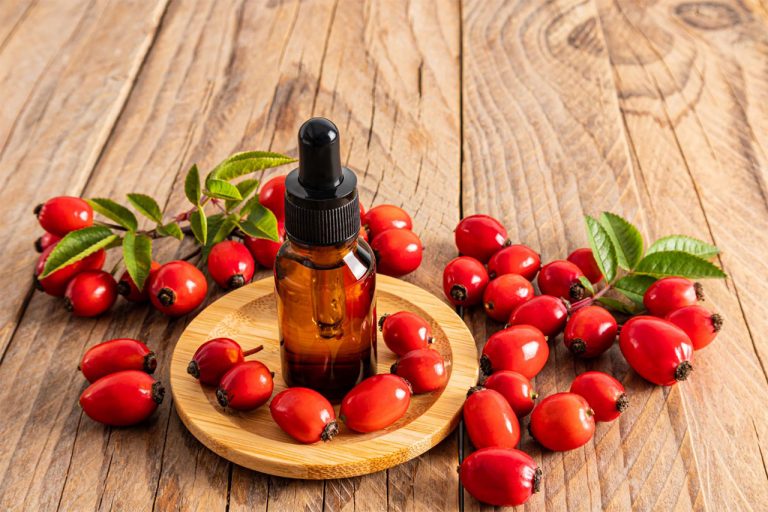

The Many Uses of Rosehips: From Tea To Skincare

0

The many uses of rosehips include to make a tea, syrup, jam, and wine. Although they are often overlooked, rosehips are a versatile fruit that can be used in a number of ways. Rosehips are the fruit of the rose plant and have many uses. They are also a good source of Vitamin C. Rosehips can be found fresh or dried and are available year-round.

“There is no trouble so great or grave that cannot be diminished by a nice cup of tea.”

Bernard-Paul Heroux

Rosehips can be eaten raw, cooked, or dried, and their tart flavor makes them a popular addition to jams, jellies, and syrups. They can also be steeped to make tea, or added to soups and stews for a nutritional boost.

rosehips health benefits

What are rosehips?

What are rosehips, exactly? Rosehips are the fruit of the wild rose bush, and are typically red or orange in color, and have been used for centuries in a variety of ways. Rosehips can be dried and made into a tea rich in vitamin C and have many health benefits. Rosehips can also be used in skincare products, as they are packed with antioxidants that can help improve the skin’s appearance.

In addition to being eaten or made into tea, rose hips can be used topically in skincare products or made into an essential oil. Rosehip oil is especially beneficial for skin health, as it’s known to improve skin elasticity, reduce inflammation, and fade scars. Lastly, rosehips can be used as a food source, as they contain a high level of pectin, which makes them perfect for jams and jellies.

Nutritional value of rosehips

Rosehips are the fruit of the rose bush and have been used for centuries in herbal teas, jams, and syrups. More recently, they have become famous as a natural source of vitamin C and other nutrients. Rosehips are a good source of vitamins C, E, and K, as well as carotenoids and flavonoids. They also contain minerals like calcium, iron, phosphorus, and magnesium. Rosehips have one of the highest concentrations of vitamin C of any fruit or vegetable.

Rosehips are traditionally used as an herbal tea. Rosehip tea is thought to have several health benefits, including relieving cold and flu symptoms, boosting immunity, and reducing inflammation. Rosehips can also be added to soups, stews, jams, jellies, and syrups. They can also be eaten raw or dried in trail mix or other snacks.

Uses of rosehips

Rich in vitamins, minerals, and antioxidants, rosehips have many health benefits. Rosehip tea is a popular way to consume rosehips and is said to help ease digestive issues, boost the immune system, and reduce inflammation. Rosehips can also be used in skincare products like face creams, masks, and body lotions. Due to their high vitamin C content, rosehips are said to help brighten the skin, reduce wrinkles and improve overall skin health.

Rosehips as tea

Rosehips have a long history of medicinal use, dating back to ancient Greece and Rome. Tea made from rosehips is thought to help treat colds and flu due to its high Vitamin C content.

The best time to harvest rosehips is in the fall, after the first frost. The hips will be red and plump, and the seeds will be ripe. Cut the hips from the bush, not damaging the plant. Spread them on a clean cloth or screen to dry in a cool, dark place for about two weeks. Once they are dried, store them in an airtight container in a cool, dry place.

To make rosehip tea, simmer 2-3 tablespoons of dried hips in 2 cups of water for 10 minutes. Strain the tea through a fine mesh strainer and enjoy. You can sweeten it with honey or sugar if you like. Rosehip tea is rich in vitamins C and E, and is good for boosting the immune system.

what are rosehips
English Harbour, Hurricane Hole

Rosehips in skincare

Rosehips have long been used in skincare, dating back to ancient times. The seedpods and oils of the rosehip plant are packed with vitamins, antioxidants, and other nutrients that can benefit the skin. Rosehip oil is often used as a carrier oil for other essential oils, or it can be used on its own. It is said to help reduce the appearance of scars, wrinkles, and stretch marks.

It can also be used to treat acne and other skin conditions. Rosehips are also a popular ingredient in DIY skincare recipes. You can find rosehip powder online or at health food stores. To use it in a facial scrub, mix one tablespoon of rosehip powder with two tablespoons of raw honey. Massage the mixture onto your face in circular motions, then rinse with warm water.

Rosehips as a food source

Rosehips are an excellent source of Vitamin C, and the uses of rosehip include in various ways as a food source. They can be eaten raw, cooked, or dried and used to make tea, syrup, or jelly. Rosehips can also be added to soups, stews, casseroles, and baked goods.

Rosehips are an excellent source of antioxidants and have many health benefits. They can help boost the immune system, improve circulation, and reduce inflammation. Rosehips are also believed to aid in the prevention of cancer and other chronic diseases.

Rosehip skincare recipes

Rosehips have a long history of use in skincare. Rosehip oil is made from the seeds of wild roses and has been used for centuries to nourish and revitalize the skin. Rosehip oil is high in essential fatty acids, which help to maintain the skin’s natural moisture balance, and vitamin C, which helps to brighten the complexion. There are many ways to use rosehip oil in your skincare routine.

Here are a few simple rosehip recipes to get you started:

  • Add a few drops of rosehip oil to your regular moisturizer for an extra dose of hydration.
  • Mix rosehip oil and honey equal parts, and massage into your face for a rejuvenating DIY facial.

Mix 1/4 cup rosehip oil with 1/2 cup Epsom salt and 2-3 drops of lavender essential oil for a soothing foot treatment. Massage into feet and wrap in a warm towel for 20 minutes.

Rosehips are an incredibly versatile and nutritious fruit that can be used in various ways. From rosehip tea to skincare recipes, there are many ways to enjoy the benefits of this delicious and healthy fruit. Rosehips are a great source of vitamins and minerals and are exceptionally high in vitamin C, making them perfect for boosting immunity and preventing colds and flu. Rosehip tea is easy to make at home and is a great way to enjoy the benefits of this healthy fruit. Rosehip skincare recipes are also easy to make and are a great way to improve skin health.

Delicious Mint Recipes You’ll Love

0

If you love the taste of mint, you’ll be sure to love these mint recipes. From drinks to desserts, we’ve got you covered. Whether you’re looking for something refreshing or something indulgent, one of these recipes is sure to hit the spot. So, what are you waiting for? Get cooking!

“Out of 40,000+ herbs used worldwide, perhaps only 50-60 of them are tonic superherbs. These superherbs should be taken for long periods, because, like all tonics, they are more like food and they build health treasures within and nourish our “stress defense shield.”

David Wolfe

Looking for something refreshing and new to add to your recipe repertoire? Why not try adding some delicious mint to your dishes?

Mint is a versatile herb used in sweet or savory recipes. And it’s not just for desserts and cocktails anymore – mint can be a great way to add a unique flavor to savory dishes like chicken, lamb, and veggies.

If you’re looking for some inspiration, here are some of our favorite mint recipes that you’re sure to love:

Mint Recipes to try

Mint recipes to try

A refreshing minty flavor can brighten up any dish, and these recipes will do just that! From drinks to desserts, there’s a minty recipe here for everyone. So, what are you waiting for? Get cooking!

Mint Chocolate Chip Cookies

Move over chocolate chip cookies, there’s a new cookie in town named Mint Chocolate Chip! These cookies are soft, chewy, and packed with delicious mint flavor. They’re also easy to make and only require a few ingredients.

If you’re looking for a new cookie recipe to try, this is the one you need. These Mint Chocolate Chip Cookies are perfect for any occasion. Serve them at your next party, or take them to a potluck. They also make an excellent gift for the mint chocolate lover in your life.

Whether you’re a mint chocolate lover or just looking for a new cookie recipe to try, these Mint Chocolate Chip Cookies are sure to please.

Mint Chocolate Cake

If you love mint and chocolate together, you will love this mint chocolate cake recipe! This cake is perfect for any occasion, from birthday parties to potlucks. The best part about this recipe is that it is easy to make. You can have this cake ready to serve in just a few hours.

Ingredients:

  • 1 box Devil’s food cake mix
  • 1 cup water
  • 3/4 cup oil
  • 4 eggs
  • 1 teaspoon mint extract
  • 1 (12 ounces) package of Andes mints, chopped

Instructions:

1. Preheat oven to 350 degrees F (175 degrees C)—grease and flour in one 9×13 inch baking pan.

2. combine cake mix, water, oil, eggs, and mint extract in a large bowl. Beat with an electric mixer on low speed until well blended. Stir in chopped Andes mints. Pour batter into prepared pan.

3. Bake at 350 degrees F (175 degrees C) for 30 minutes or until a toothpick inserted into the center of the cake comes out clean. Cool cake before serving.

Mint Brownies

Are you looking for a delicious mint-themed treat? Why not try making mint brownies? This tasty recipe is easy to make and will surely be a hit with the whole family.

Ingredients:

  • 1 cup (250 ml) of all-purpose flour
  • 1/2 cup (125 ml) of unsweetened cocoa powder
  • 1 teaspoon (5 ml) of baking powder
  • 1/4 teaspoon (1 ml) of salt
  • 1/2 cup (125 ml) of butter, softened
  • 1 1/2 cups (375 ml) of sugar
  • 2 eggs -1 teaspoon (5 ml) of vanilla extract
  • 1/2 cup (125 ml) of mint chocolate chips

Instructions:

1. Preheat oven to 350 degrees Fahrenheit (180 degrees Celsius). Line an 8×8-inch baking pan with parchment paper.

2. Whisk together flour, cocoa powder, baking powder, and salt in a medium bowl. Set aside.

3. In a large bowl, cream butter and sugar until light and fluffy. Beat in eggs, one at a time, then stir in vanilla extract. Add in the dry ingredients and mix until just combined. Stir in the mint chocolate chips.

4. Pour the batter into the prepared pan and spread evenly. Bake for about 25 minutes, or until a toothpick or cake tester inserted into the center comes out clean or with just a few crumbs attached. Allow to cool completely before cutting into squares. Enjoy!

lemon mint infused water recipe

Mint Chocolate Chip Ice Cream

Move over, chocolate. It’s time to give mint chocolate chip ice cream its due. This refreshing flavor is perfect for summertime, but it’s rich and creamy enough to satisfy your sweet tooth all year. There are plenty of ways to make mint chocolate chip ice cream, but we think the best method is to use fresh mint leaves.

If you can’t find fresh mint, use peppermint extract. Add it slowly and taste as you go so you don’t have an overly minty flavor. Once you’ve sorted your mint flavor, it’s time to add the chocolate chips. We like to mix milk and dark chocolate chips for the best flavor but feel free to use all of one type or the other if that’s what you prefer. Finally, don’t forget the whipped cream! The perfect finishing touch is a dollop of whipped cream on top of your mint chocolate chip ice cream.

Andes Mint Chocolate Cake

Move over chocolate cake, there’s a new mint in town! Andes Mint Chocolate Cake is a rich and decadent dessert that will please any crowd. This cake is pure bliss and made with layers of moist chocolate cake, Andes mint frosting, and an abundance of Andes mints. The best part about Andes Mint Chocolate Cake is that it’s surprisingly easy to make. The most time-consuming part is waiting for the cake to bake and cool completely before you can start assembling it.

But trust me, the wait is worth it. If you’re looking for a show-stopping dessert that will impress you, look no further than Andes Mint Chocolate Cake. Your friends and family will beg for seconds (maybe even thirds)!

Mint chocolate chip cookies, mint chocolate cake, mint brownies, mint chocolate chip ice cream, Andes mint chocolate cake… there are so many delicious mint recipes out there to choose from! But which ones should you try first?

Well, if you’re a fan of mint and chocolate (like we are!), you’ll want to check out our top 5 picks for the best mint chocolate recipes around. From classic cookies to decadent cakes, there’s something for everyone on this list.

So what are you waiting for? Get baking (or scooping, mixing, or whatever else the recipe calls for!) and enjoy some delicious mint chocolate treats today.

Try These Lavender Recipes For Relaxation

Lavender has long been used for its calming and relaxing properties. In this article we’ll focus on some lavender recipes for relaxation and lavender-infused foods and drinks that can help you relax and unwind. It has been shown to reduce anxiety, ease insomnia, and promote restful sleep. Lavender can be used in many different ways to promote relaxation.

“I love lavender—both the color and the smell, and the sound is quiet so you can hear it”

Jarod Kintz

Lavender is one of the most popular essential oils for relaxation. Not only does it have a calming effect on the body, but it also has a pleasant aroma that can help to soothe and de-stress.

If you’re looking for ways to incorporate lavender into your life for a little extra relaxation, try out some of these lavender recipes for peace.

Lavender Recipes

Culinary Uses for Lavender

Lavender is a versatile herb used in sweet or savory dishes. Its floral flavor pairs well with many different ingredients, making it a popular choice in herbal recipes.

Lavender is also known for its relaxing properties. This makes it an excellent ingredient for recipes that promote relaxation and stress relief.

Here are some great lavender recipes to try:

1. Lavender lemonade: This refreshing drink is perfect for summer days. It’s also a great way to use any leftover lavender from your garden.

2. Lavender shortbread cookies: These delicate cookies are perfect for afternoon tea. They’re also an excellent gift idea for friends and family.

3. Lavender-infused olive oil: This fragrant oil is perfect for dressing salads or dipping bread. It’s also a lovely addition to homemade body lotions and soaps.

4. Lavender sugar scrub: This luxurious scrub is perfect for pampering yourself or someone special. It’s also a great way to use lavender buds that have lost flavor.

Lavender Drinks

Lavender is well known for its relaxing properties, and what better way to wind down at the end of a long day than with a lavender-infused drink? There are many recipes for lavender drinks, from simple mixed drinks to more elaborate cocktails.

  • Mix 2 ounces of lavender-infused vodka with 4 ounces of lemonade or limeade for a basic lavender drink.
  • If you want something a little stronger, try a lavender martini: mix 2 ounces of lavender-infused vodka with 1 ounce of dry vermouth.
  • For a sweeter drink, mix 2 ounces of lavender-infused vodka with 1 ounce of simple syrup and 4 ounces of sparkling water.
  • If you’re feeling fancy, try making a lavender French 75: mix 1 ounce of lavender-infused gin with 1 ounce of fresh lemon juice and 1 teaspoon of sugar. Shake well and pour into a champagne flute. Top off with champagne or sparkling wine.
  • Mix 4 ounces of lavender syrup with 8 ounces of seltzer or club soda for a non-alcoholic option. Or, for something a little different, try mixing 4 ounces of lavender simple syrup with 16 ounces of cold brew coffee.

Lavender Bath and Body Recipes

Lavender is one of the most popular essential oils due to its versatility and wide range of benefits. It has a calming, relaxing effect on the mind and body, making it perfect for bath and body recipes. Here are some of our favorite lavender recipes for relaxation:

Lavender Bath Salts: Add 1 cup of Epsom salts and 1 cup of kosher salt to a bowl. Stir in 20 drops of lavender essential oil. Pour into a jar and seal. Add 1/2 cup of the mixture to a warm bath and soak for 20 minutes.

Lavender Sugar Scrub: In a bowl, combine 1 cup of sugar, 1/2 cup of almond oil, and 10 drops of lavender essential oil. Mix well and pour into a jar. To use, apply to wet skin in the shower and scrub for 2-3 minutes. Rinse well.

Lavender Body Butter: In a double boiler, melt 1/2 cup of cocoa butter and 1/4 cup of beeswax. Once melted, remove from heat and stir in 1/4 cup of sweet almond oil and 10 drops of lavender essential oil. Pour into a container and let cool completely. To use, massage into skin after bathing.

benefits of using lavender

Lavender Aromatherapy Recipes

When it comes to relaxation, lavender is one of the most popular herbs used in aromatherapy. Its scent promotes calmness and peace, so it’s often used in products like candles, soaps, and lotions. If you’re looking for a more natural way to enjoy the benefits of lavender, try using it in recipes.

There are a variety of recipes that you can make with lavender, from drinks to snacks. For example, add a few drops of lavender oil to your favorite tea or coffee recipe. You can also bake lavender into goods like cookies, cakes, and muffins. To make a savory dish, add lavender to soups, stews, or sauces.

When using lavender in recipes, always start with a small amount and gradually add more until you get the desired flavor. Keep in mind that too much lavender can make food taste bitter. If you’re unsure how much to use, err on caution and add less rather than more.

Lavender oil can also be used topically. Add a few drops of lotions or massage oils for a relaxing experience. You can even make lavender-infused products home with just a few ingredients and essential equipment.

Lavender is a versatile and relaxing herb that can be used in many ways. Whether you’re looking to add a little flavor to your food, create a soothing bath or body recipe, or enjoy the aroma of lavender, there are many ways to enjoy this herb. So, next time you’re stressed, try one of these lavender recipes and see how relaxing it can be.

Different Types of Tea and Their Benefits

There are many different types of tea and their benefits for your health may differ. Black tea is a type of tea that is rich in antioxidants and has been shown to boost heart health. Green tea is another type of tea that is full of antioxidants and has been shown to improve brain function. Oolong tea is a type of tea that can help with weight loss. White tea is a type of tea that has been shown to improve skin health.

“Enjoy life sip by sip, not gulp by gulp.”

The Minister of Leaves

If you’re a tea lover, you probably know that there are different types of tea, each with its own unique flavor profile. But did you know that different types of tea can also offer different health benefits?

In this article, we’ll take a closer look at some of the most popular types of tea – black tea, green tea, and white tea, as well as some other popular herbal teas – and explore some of the potential health benefits associated with each one.

Types of Tea

Different Types of Tea and Their Benefits

Tea is one of the most popular beverages in the world. There are many different types of tea, each with its own unique flavor and health benefits.

Black Tea benefits

Black Tea

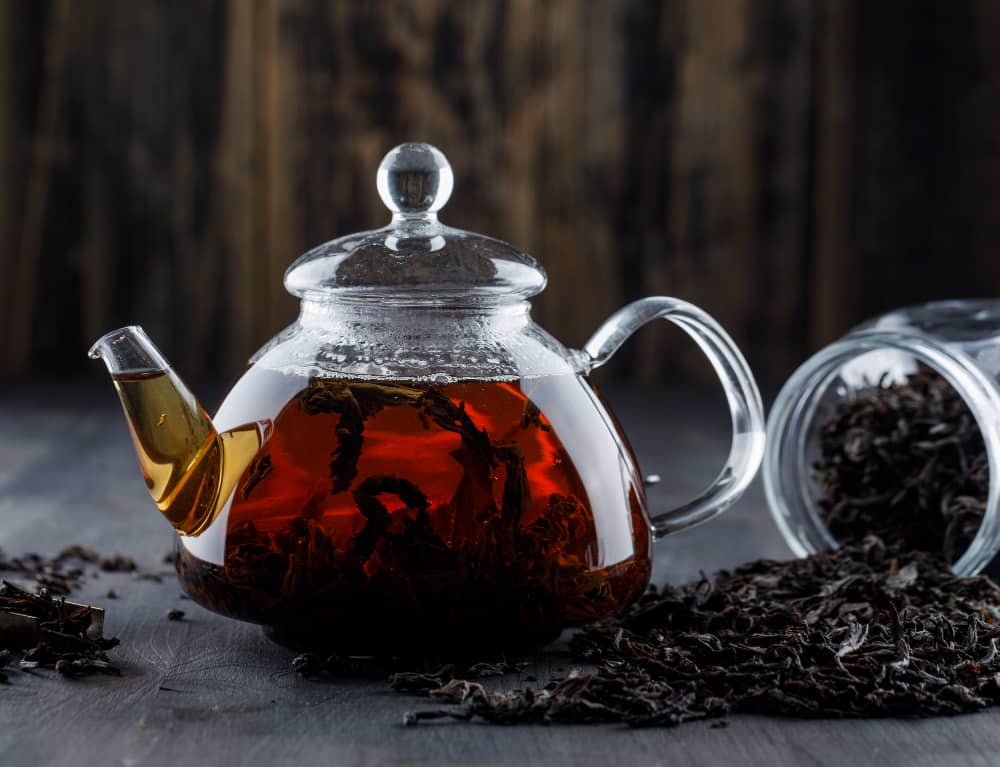
Black tea is one of the most commonly consumed teas worldwide. It is made from Camellia sinensis leaves that have been fully oxidized, meaning they have been exposed to oxygen to turn them black. Black tea has a stronger flavor than other types of tea because of this oxidation process. Black tea is also higher in caffeine than other teas, making it a popular choice for morning beverages. Black tea has numerous health benefits, including reducing the risk of stroke, improving gut health, and boosting heart health.

Black Tea benefits

Green Tea

Green tea is made from unfermented leaves and has a lighter, more delicate flavor than black tea. Green tea is rich in nutrients and antioxidants and has been shown to boost metabolism and aid in weight loss.

White Tea

White tea is the least processed of all teas, made from the young leaves and buds of the plant Camellia sinensis. The leaves are allowed to wither in the sun or steamed before rolling and drying. White tea has a delicate flavor and is pale in color when brewed.

White tea is rich in antioxidants, which can help protect against cell damage and disease. Studies have shown that white tea may boost heart health, aid weight loss, and improve oral health.

White tea contains caffeine, but less than other types of tea. It also has higher levels of a type of antioxidant called catechins than other teas. These nutrients may contribute to white tea’s health benefits.

Oolong Tea

Oolong tea is a type of tea that falls somewhere between green and black tea in terms of oxidation. It is made from the leaves of the Camellia sinensis plant and typically has a floral or fruity flavor. Oolong tea is rich in antioxidants and has been linked to several health benefits, including weight loss, reduced stress levels, and improved heart health. Oolong tea is typically brewed using 1-2 teaspoons of dry leaves per cup of water. The leaves can be steeped multiple times, yielding a different flavor profile for each infusion. Oolong tea is best enjoyed without milk or sweeteners.

Health benefits:

Weight loss: Oolong tea has been shown to boost metabolism and promote weight loss. In one study, subjects who consumed oolong tea daily for six weeks lost more weight and body fat than those who did not.

Reduced stress levels: Oolong tea contains an amino acid known as L-theanine, which has been shown to promote relaxation and reduce stress levels.

Improved heart health: Oolong tea has been linked to lower levels of bad cholesterol and improved blood flow, which are good for heart health.

Pu’erh Tea

Pu’erh tea is a type of fermented tea that originates from China. It is made from a particular kind of Chinese tea plant known as Camellia sinensis var. pu-erh. The leaves are harvested and then sun-dried before they are fermented and aged. This process can take anywhere from several months to several years.

Pu’erh tea has an earthy and mellow flavor with hints of chocolate and leather. Additionally, pu’erh tea is rich in antioxidants and has been linked to numerous health benefits, including weight loss, improved cholesterol levels, reduced blood pressure, and improved digestion.

Herbal Tea

Different types of tea offer other benefits, and herbal tea is no exception. Herbal teas are brewed using a variety of different herbs, and each one has its unique advantages.

Some of the most popular herbal teas include chamomile tea, lavender tea, and ginger tea. Chamomile tea is often used as a natural sleep aid, as it can help to promote relaxation and calmness. Lavender tea has a soothing effect and is often used to relieve stress and tension. Ginger tea is excellent for digestion and can also help to reduce nausea and vomiting.

Herbal teas are generally safe for most people to consume. Still, it is essential to check with your healthcare provider if you have any medical conditions or are pregnant or breastfeeding, as some herbs can have contraindications.

Rooibos Tea

Rooibos Tea

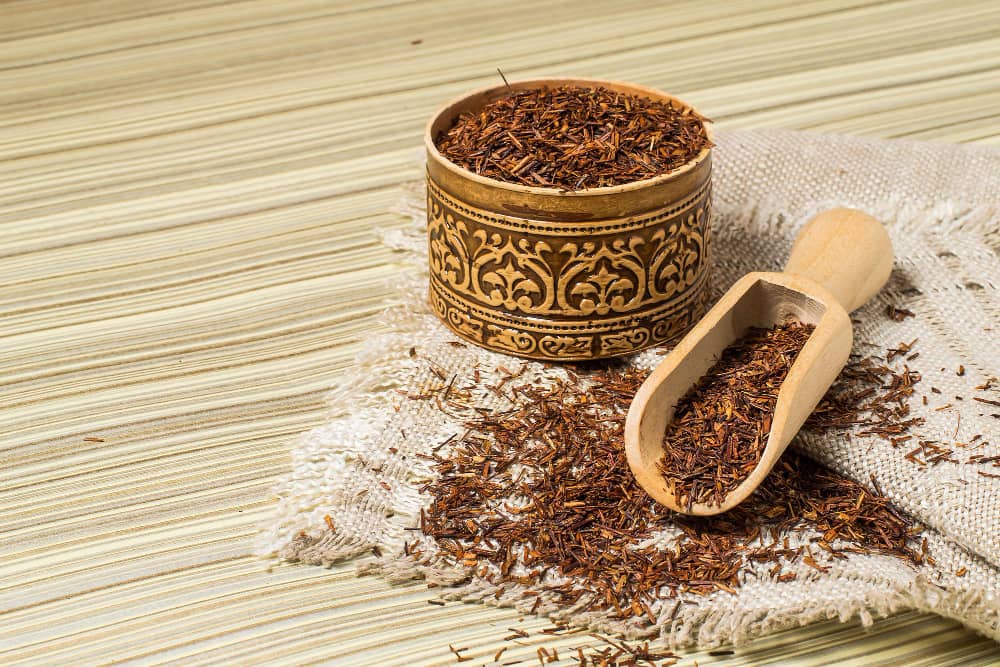
Rooibos tea is an herbal tea made from the leaves of the South African red bush. Rooibos tea is naturally caffeine-free and is rich in antioxidants, which makes it a healthy choice for those looking for an alternative to black or green tea. Rooibos tea has a sweet, earthy flavor and can be enjoyed hot or iced.

Yerba Mate Tea

Yerba mate tea is a type of tea made from the leaves of the yerba mate plant. It is popular in South America and has several health benefits. Yerba mate tea contains caffeine and other compounds that can boost energy levels. It also has antioxidants that can help protect against cell damage and disease.

Additionally, yerba mate tea has been shown to improve mental focus and increase physical stamina. Yerba mate tea is generally safe to consume in moderation. However, some people may experience side effects such as nausea, vomiting, and diarrhea. If you have any concerns or medical conditions, you must speak with a healthcare provider before drinking yerba mate tea.

Chamomile Tea

Chamomile tea is made from the dried flowers of the Chamomile plant. Chamomile tea has a sweet, floral taste and is naturally caffeine-free. Chamomile tea is traditionally a relaxant and effectively treats anxiety and insomnia. Chamomile tea is also high in antioxidants and has anti-inflammatory properties. Chamomile tea has many potential health benefits, including soothing stress, improving sleep quality, and reducing inflammation.

Hibiscus Tea

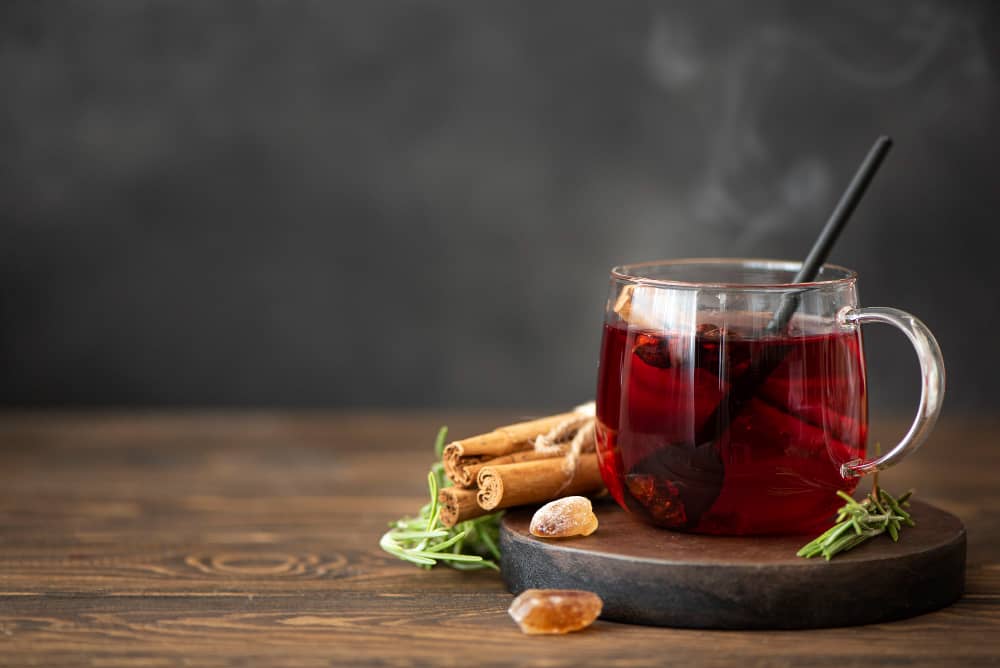
Hibiscus Tea

Hibiscus tea is made from the dried Hibiscus sabdariffa flower and has a deep red color when brewed. It is tart and tangy, with a slightly sweet flavor. Hibiscus tea is rich in antioxidants and has many health benefits, including lowering blood pressure, improving heart health, and helping to treat anxiety and depression.

Peppermint Tea

Peppermint tea is one of the most popular types of herbal tea. It is made from the leaves of the peppermint plant and has a refreshing, minty taste. Peppermint tea is rich in antioxidants and has many health benefits, including improved digestion, reduced stress levels, and relief from headaches and muscle pain. Peppermint tea can be enjoyed hot or cold and is an excellent choice for those looking for a healthy alternative to sugary drinks like soda.

Lemon Balm Tea

Lemon balm tea may offer several potential benefits, including aiding digestion, reducing stress and anxiety, and boosting cognitive function. Additionally, lemon balm tea contains antioxidants that may protect against cell damage and improve heart health. Add 1–2 teaspoons (2–4 grams) of dried lemon balm leaves to 8 ounces (236 ml) of hot water to make lemon balm tea. Steep for 5–10 minutes, then strain the leaves and enjoy.

Nettle Tea

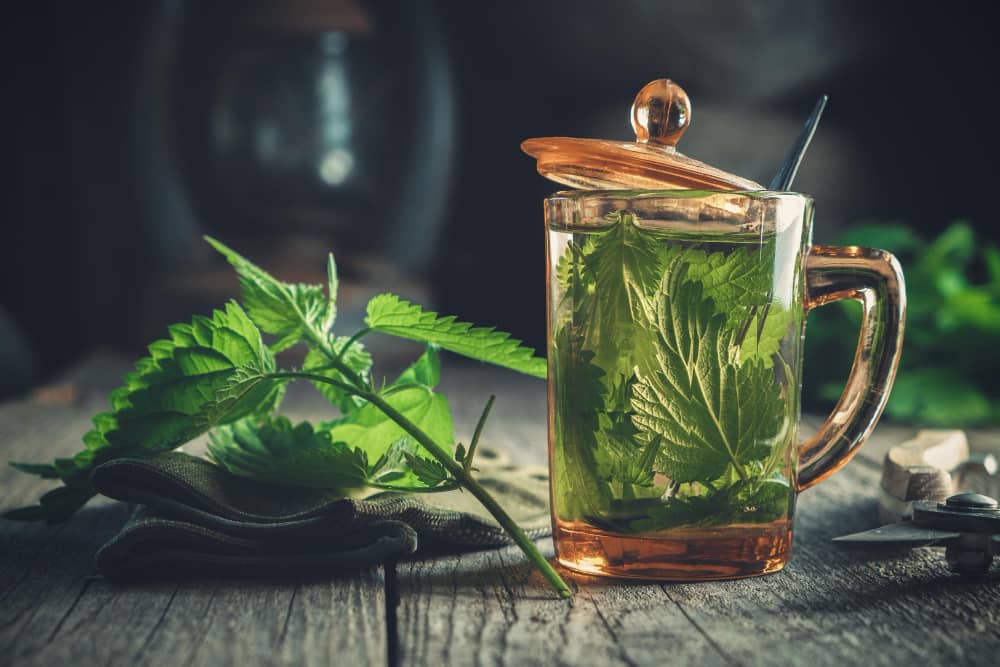
Nettle Tea

Nettle tea is made from the leaves of the common nettle plant, which is found throughout Europe, Asia, and North America. Nettle tea has a long history of use as a traditional herbal remedy and modern science has begun to validate many of its purported health benefits.

Nettle tea contains vitamins and minerals, including iron, calcium, magnesium, and vitamins A and C. It also contains flavonoids, tannins, and other antioxidants believed to benefit its health. Nettle tea has been traditionally used to treat various conditions, including allergies, arthritis, urinary tract infections, and digestive issues.

Recent studies have shown that nettle tea can help to reduce inflammation, improve blood circulation, and boost the immune system. It is also believed to have diuretic properties and may effectively treat respiratory conditions such as bronchitis and asthma. Additionally, nettle tea has been shown to promote weight loss by helping to increase metabolism and reduce appetite.

Brewing nettle tea is easy. Add 1-2 teaspoons of dried nettle leaves (or 1 tablespoon of fresh leaves) to a cup of boiling water and steep for 3-5 minutes. Nettle tea can be enjoyed plain or sweetened with honey or lemon.

Tea is more than just a hot beverage; it is a centuries-old tradition with many health benefits—different types of tea offer different benefits, from promoting heart health to boosting cognitive function. Black, green, white, oolong and pu’erh teas come from the same plant, Camellia sinensis, but are processed differently. Black tea is fully oxidized, while green tea is unoxidized. White tea is minimally oxidized, and oolong and pu’erh teas are partially oxidized. Herbal teas, such as chamomile and ginger tea, do not come from the Camellia sinensis plant but offer unique health benefits.

So which tea should you drink? It depends on your goals. If you want to improve your heart health, black and green tea are good choices. If you’re trying to boost your cognitive function, white and oolong tea are your best bet. And if you want to relax, any tea will do. Hibiscus, peppermint, lemon balm, and nettle tea are all great options for relaxation.

So, next time you reach for a cup of tea, remember that different types can offer other health benefits. Choose the one that best suits your needs, and enjoy!

Why Is Bulgarian Salt So Colorful?

Bulgarian salt is one of the country’s most popular products. If you’re looking for a unique way to add flavor to your food, look no further than Bulgarian salt. In Bulgaria, there is a type of salt known as sharena sol. This salt is used in many traditional dishes and is said to have many health benefits. Some of these benefits include aiding in digestion, improving skin health, and reducing inflammation.

Salt is the policeman of taste: it keeps the various flavors of a dish in order and restrains the stronger from tyrannizing over the weaker.

Margaret Visser

In the heart of the Balkans, there is a country with a rich history dating back to the 7th century. This country is Bulgaria, and it is home to many unique things – one of which is Bulgarian salt. For centuries, people from all over the world have been coming to Bulgaria to mine its salt. And even today, Bulgarian salt is still prized for its high quality. If you’re ever in Bulgaria, try some of this delicious salt!

Bulgarian Salt Sharena sol

What is Bulgarian Salt – Sharena sol?

Have you ever wondered why Bulgarian salt, sharena sol, is so colorful? If you’ve ever seen it, you know that it comes in a different color and it is not a standard salt. But what causes these colors? And how is this salt made?

According to Kashkaval Tourist sharena sol is incredibly popular as a spice mix in Bulgaria, and it can be found in almost every home.

How Is Sharena sol Made?

Sharena sol also known as colourful salt, is a spice mix used extensively in Bulgarian cuisine. Its most typical ingredients are dried summer savoury, paprika, and salt. In addition, dried fenugreek leaves are frequently added, and thyme is not uncommon.

There are many variations of the Bulgarian colorful salt, including adding dried spearmint and other herbs, including thyme, dill, parsley, basil, oregano, and or rosemary, are added as well. Pepper flakes, garlic, almonds, pumpkin seeds, or maize may also be added. Nuts and seeds should be dry roasted first, then cooled, and ground.

Bulgarian Salt (Sharena sol) Recipe

The exact ingredients and proportions can vary, depending on the preferences of whoever prepared it. Sharena Sol can be prepared with only a few ingredients like salt and spices including salt, dried summer savory (chubritsa), and sweet paprika, but fenugreek is a common addition too, and thyme or roasted maize are popular choices as well.

How to Use Sharena sol Bulgarian Salt

Sharena sol is a type of Bulgarian salt used in many dishes. It has a robust flavor and can add flavor to meats, vegetables, and even fruits. sharena sol is also used as a curing agent for meats and fish. It is one of the most popular spices in Bulgaria and is used in many traditional recipes.

Sharena Sol is typically served with bread. A popular Bulgarian breakfast consists of slices of bread or toast with a sprinkle of Sharena Sol.

In the beginning you may try using this popular Bulgarian salt in small quantities or according to your taste. Sharena sol blends perfectly with the taste of an array of savoury pastries, savoury muffins, eggs, and other foods.

Traditional feta cheese phyllo pastry pie banitsa

Salt sharena sol has a strong flavor, so it should be used sparingly. It is also important to note that this salt can cause dehydration, so drinking plenty of water when using it is essential.

Salt is an essential ingredient in many recipes and can add flavor or tenderize meat. Sharena sol, or Bulgarian salt, is a type of salt that is said to have various health benefits. Some people believe it can help detoxify the body, improve circulation, and reduce inflammation.

Chamomile Tea: Benefits, Side Effects, And Risks

Chamomile tea is brewed using only the flower heads of the plant Camellia sinensis. Chamomile tea’s benefits include aiding digestion, reducing anxiety, and relieving menstrual cramps. Chamomile tea also has anti-inflammatory and antimicrobial properties. When brewed properly, chamomile tea is a delicious and healthy beverage that can be enjoyed hot or cold.

“It’s a wonderful destination, we will come back next year for sure!”

Chamomile tea has been consumed for centuries, dating back to ancient Egypt. Chamomile tea is known for its calming and relaxing properties. Chamomile tea is a natural remedy for various ailments, including insomnia, anxiety, stomach problems, and colds. Chamomile tea is generally considered safe with few side effects. However, in rare cases, chamomile tea can cause allergic reactions. This article will discuss chamomile tea’s benefits, side effects, and risks.

Chamomile Tea benefits

Chamomile Tea: Benefits, Side Effects, And Risks

Chamomile tea has a fruity taste and is naturally sweet. Chamomile tea is high in antioxidants, which can scavenge harmful toxins and byproducts that can damage cells. Chamomile tea has long been used as a natural remedy for promoting relaxation and alleviating anxiety and insomnia. While generally safe to drink, it is crucial to understand the potential side effects and risks of consuming chamomile tea. This extensive article explores chamomile tea’s benefits, adverse effects, and potential dangers.

What is chamomile tea?

Chamomile tea is brewed using the dried flower heads of the Camellia sinensis. Chamomile tea has a sweet, flowery taste and is naturally caffeine-free. Chamomile tea is traditionally used for its calming and relaxant effects. Chamomile tea is rich in antioxidants and has been shown to have anti-inflammatory, anticancer, and antimicrobial properties. Chamomile tea can be enjoyed hot or cold and is widely available in grocery stores, health food stores, and online.

Chamomile tea benefits

Chamomile tea has long been prized for its calming effect, and recent studies have begun to explore its potential health benefits. Chamomile tea is rich in antioxidants, which can help protect cells from damage and reduce inflammation. It also contains compounds that may help relieve anxiety and promote sleep.

While chamomile tea is generally safe, it can cause allergic reactions in some people. It’s also important to be aware of the possible side effects, including upset stomach and drowsiness.

If you want to try chamomile tea, purchase it from a trusted source. Look for an organic, fair-trade product to get the most benefit from your cup of tea.

Chamomile Tea benefits

Chamomile tea side effects

Chamomile tea is generally considered safe to drink. However, some people may experience side effects like headaches, nausea, vomiting, and dizziness. Chamomile tea may also interact with certain medications, so it’s important to talk to your doctor before drinking it if you take any medications. Read more about Chamomile tea side effects here. If you have allergies, check with your doctor before drinking chamomile tea, as it may cause an allergic reaction.

Chamomile tea risks

Chamomile tea is generally considered safe to drink. However, there are some potential risks to be aware of.

One concern is that chamomile tea may contain small amounts of lead. Lead is a toxic metal that can damage the nervous system, cause kidney problems, and increase cancer risk. Chamomile tea bags may contain higher levels of lead than loose chamomile tea.

Another concern is that chamomile tea may interact with certain medications, such as warfarin (Coumadin). Warfarin is a blood thinner that can cause severe bleeding if it interacts with other drugs or herbs. Chamomile may increase the effects of warfarin, which could lead to bleeding.

It’s also essential to be cautious with chamomile tea if pregnant or breastfeeding. Chamomile may stimulate contractions in the uterus, which could lead to premature labor. Chamomile may also pass into breast milk and cause allergic reactions in infants.

Overall, chamomile tea is safe for most people to drink. However, if you have any concerns or health conditions, it’s always best to speak with your healthcare provider before consuming herbal teas.

Chamomile tea recipes

Whether you’re looking to wind down after a long day or soothe an upset stomach, chamomile tea is a delicious and popular herbal tea choice.

Chamomile tea is made using the dried flowers of the Chamomilla recutita plant and has a sweet, slightly bitter taste. Chamomile tea is naturally caffeine-free and low in calories, making it a healthy choice for those trying to limit their caffeine intake.

Chamomile tea has a long history of use as a folk remedy for various ailments, and some scientific evidence supports its use for specific conditions. Chamomile tea is effective in treating anxiety, insomnia, and stomach upset. Chamomile tea is also used topically for skin conditions like eczema and is sometimes included in mouthwashes and gargles for its purported antibacterial properties.

Place 1-2 teaspoons of dried chamomile flowers in a teacup or mug to make chamomile tea. Then, pour boiling water over the herbs and let them steep for 3-5 minutes. Once the tea has steeped, strain the herbs out using a cheesecloth or strainer and enjoy your tea!

Add a bit of honey or lemon juice if you want to add a little flavor to your chamomile tea. You can also experiment with different herbs to find a blend that you enjoy. Some good options to try include mint, lavender, or ginger.

Conclusion

Chamomile tea is a popular herbal tea made from the chamomile plant’s dried flowers. Chamomile tea has several potential health benefits, including reducing inflammation, easing anxiety and stress, and promoting sleep. Chamomile tea is generally considered safe to drink, but there are a few potential side effects and risks to be aware of. If you’re interested in trying chamomile tea, there are a few ways to make it home.

Must-Try Bulgarian Herbs for Flavorful Dishes

These must-try Bulgarian herbs for flavorful dishes can be used to flavor various dishes, from soups and stews to meats and vegetables. Bulgarians are known for their delicious dishes that are often made with herbs. Some of the most popular Bulgarian herbs include oregano, rosemary, thyme, and basil. When used correctly, these herbs can add a depth of flavor to any dish.

“All that man needs for health and healing has been provided by God in nature, the Challenge of science is to find it.”

Paracelsus

Herbs are one of the best ways to add flavor to your dishes. They can be used in both cooked and raw dishes and can be used to create a variety of flavors. There are many different types of Bulgarian herbs for flavorful dishes, but some of the most popular ones include rosemary, thyme, oregano, and basil. Each herb has its unique flavor that can enhance the flavor of your dish.

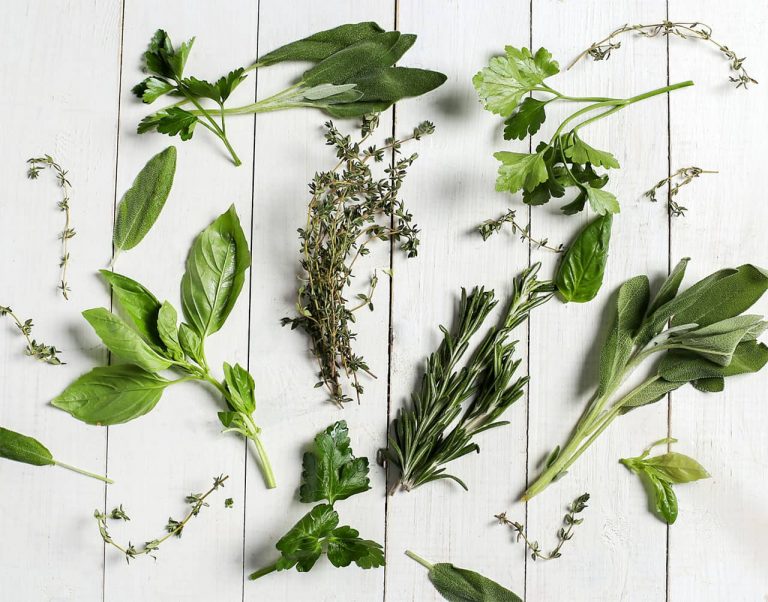
Bulgarian Herbs for Flavorful Dishes

Herbs can be used in a variety of ways. They can be used to create a simple seasoning for your dish, or they can be used to create a more complex flavor profile. Herbs can also be used to add color and texture to your dish. When using herbs in cooking, it is essential to consider how they will interact with other ingredients in your dish. For example, rosemary goes well with poultry and pork, while thyme goes well with beef and lamb. Oregano and basil are versatile herbs that go well with many dishes.

When using herbs, it is essential to use fresh herbs whenever possible. Fresh herbs have more flavor than dried herbs and can also provide a more vibrant color to your dish. If you cannot find fresh herbs, you can use dried herbs. When using dried herbs, it is crucial to rehydrate them before use. This can be done by soaking them in water for 10-15 minutes before use.

Herbs are a great way to add flavor to your dishes. They can be used in a variety of ways and can be used to create a variety of flavors. When using herbs, it is essential to use fresh herbs whenever possible.

Bulgarian Herbs for flavor

There are a variety of herbs that are commonly used in Bulgarian cuisine, including:

Dill (печен дил): Dill is a common herb used in many Bulgarian dishes. It has a unique flavor goes well with meats, vegetables, and stews.

Parsley (чушка): Parsley is another popular Bulgarian Herbs for flavorful dishes used in Bulgarian cuisine. It has a milder flavor than dill and is often used as a garnish or in salads.

Basil (босилек): Basil is a common ingredient in tomato-based dishes. It has a sweet yet spicy flavor that adds depth to sauces and soups.

Oregano (орехов майон): Oregano is a versatile herb that can be used in many different dishes. It has a strong flavor goes well with meats, poultry, and fish.

Rosemary (розмарин): Rosemary is a potent herb that is often used in small amounts. It has a strong, pungent flavor can overwhelm a dish if not used sparingly.

Types of Herbs

There are many different types of Bulgarian herbs for flavorful dishes that can be used in cooking, and each has its unique flavor. Some of the most popular herbs used in Bulgarian dishes include savory, rosemary, thyme, oregano, and basil. Each of these herbs provides a different flavor to a dish and can be used in many different ways.

Savory

A wide variety of herbs are commonly used in Bulgarian dishes. Some of the most popular include parsley, mint, dill, and bay leaves. These herbs add flavor and depth to many different types of recipes. Parsley is one of the most commonly used herbs in Bulgaria. It has a fresh, earthy flavor that pairs well with many different ingredients. Mint is another common herb often used to add a refreshing flavor to dishes. Dill has a slightly bitter taste that can add interest to many different recipes.

Bay leaves are often used to flavor stews and soups. Herbs can be used in a variety of ways in cooking. They can be chopped and added to recipes, or they can be used to make flavorful infusions. Infusions are made by steeping herbs in hot water or oil. This extract can flavor soups, stews, sauces, or salad dressings. If you want to add some extra flavor to your dishes, try using some of these popular Bulgarian herbs for flavorful dishes.

Rosemary

Rosemary is a fragrant, woody herb used in cooking and herbal medicine. It is native to the Mediterranean region and has been used for centuries in many cuisines. Rosemary has a strong, pungent flavor and is commonly used to flavor lamb, chicken, beef, and fish dishes. It is also a popular ingredient in stuffing, soups, and stews. Rosemary can be used fresh or dried and is available year-round.

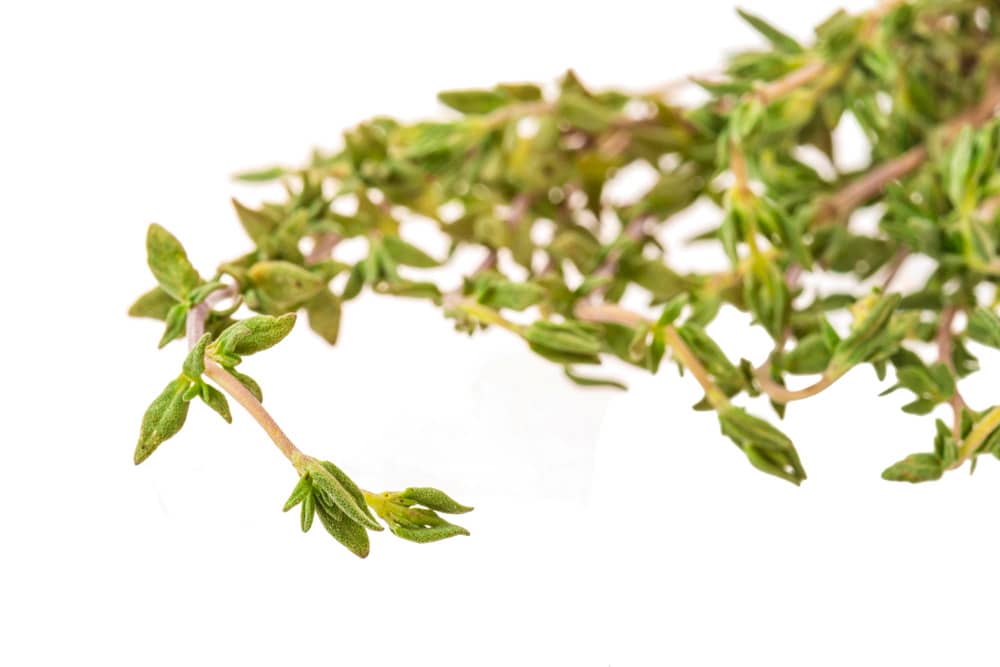
fresh Thyme culinary herb

Thyme

Thyme is a culinary herb used for centuries to add flavor to dishes. It is native to the Mediterranean region and has a long history of use in Bulgarian cuisine. Thyme is a member of the mint family and has a strong, pungent flavor. It is often used to flavor meats, soups, and stews. Thyme is also used to make a variety of sauces and marinades.

Oregano

Although oregano is often considered an Italian herb, it originated in Greece. This versatile herb has a strong, pungent flavor that goes well with many different types of food. Oregano is commonly used in tomato-based sauces and in chicken, fish, and lamb dishes. It is also a key ingredient in many Greek and Middle Eastern dishes.

Basil

The flavorful herb basil is a staple in many Bulgarian dishes. Its spicy, sweet taste is essential in the country’s national dish, shopska salad. This traditional salad features fresh tomatoes, cucumbers, and onions, all topped with white cheese and a sprinkle of chopped basil. In addition to salads, basil is commonly used as a seasoning for meats, fish, and vegetables.

It is often added to stews and soups for extra flavor. The herb is also a popular ingredient in pesto sauce and can be used to make homemade tomato sauce. For a simple yet tasty side dish, try roasting potatoes with garlic and basil. Add diced potatoes to a baking sheet along with some olive oil, minced garlic, and chopped basil. Roast in a preheated oven for 20-25 minutes until potatoes are crispy and tender. Enjoy as is, or serve with your favorite dipping sauce.

Uses for Herbs

Bulgarian Herbs List of Bulgarian dishesBulgarian Food and Cooking

Cooking With Herbs

Bulgaria is a country blessed with an abundance of fresh herbs. The climate is perfect for growing a wide variety of herbs, and Bulgarian cooks know how to use these types of Bulgarian herbs for flavorful dishes. In this section, we’ll cover some of the most popular herbs used in Bulgarian cooking and show you how to use them to flavor your dishes.

Using Fresh Herbs

1. Bulgarian Mint (извара): This herb has a fresh, minty flavor that goes well in salads, soups, and stews.

2. Summer Savory (лютик): This herb has a slightly peppery flavor and is often used to season grilled meats.

3. Thyme (подснежник): This herb has a fragrant, earthy flavor and is commonly used in Mediterranean cuisine.

4. Viper’s Bugloss (гаджуванка): This herb has a slightly bitter taste and is often used in salads or as a garnish.

5. Yarrow (сточенка): This herb has a strong, bitter flavor and is often used in folk medicine.

Using Dried Herbs

Dried herbs are a great way to flavor your dishes without using fresh herbs. Dried herbs can be found in most grocery stores and are typically cheaper than fresh herbs. When using dried herbs, you will want to use less than you would if you were using fresh herbs because the flavor is more concentrated. You can experiment with different new-to-dried herb ratios to find the perfect balance for your dish.

Conclusion

Herbs are a great way to add flavor to your dishes, and there are many different types that you can try. Savory herbs like rosemary, thyme, and oregano are perfect for savory dishes, while basil and mint are great for sweeter dishes. You can use fresh or dried herbs, depending on what you have on hand. Fresh herbs have more flavor, but dried herbs are more convenient. Experiment with different herbs and find the ones that you like best, but your meal will be delicious no matter which herbs you choose from this list with of Bulgarian herbs for flavorful dishes!

The Benefits Of Lavender

Lavender is a beautiful, fragrant flower that has many benefits. Did you know that the benefits of lavender can help you sleep, relax, and reduce stress? It can also improve your mood and fight depression and anxiety. Lavender oil can treat headaches, skin conditions, and even pain.

“Lavenders are colors of relaxation. With an aromatic fragrance, they are a sign of good luck. Their purple color is most attractive in the flowers. It’s good for sleep, it’s peaceful for our minds.”

Payel Bagchi

Lavender is a popular herb with a wide range of benefits. It can relax the mind, ease stress and anxiety, improve sleep quality, and soothe digestive issues.

Lavender is also effective in skincare products and can treat acne, eczema, and other skin conditions.

This versatile herb can be used in many ways, making it a valuable addition to any home.

Natural Healing with lavender

The Benefits of Lavender

Lavender is a common herb that has a wide range of benefits. It is most commonly known for its relaxing and calming properties, but lavender can also improve sleep, digestion, and skin health.

Lavender is considered native to the Mediterranean region, where it has been used for centuries in cosmetics, food, and medicine. The plant grows best in sunny, well-drained areas and is relatively easy to care for.

There are many different ways to use lavender. The most popular way to use lavender is to add it to a bath or massage it into the skin. Lavender oil can also be inhaled or diffused to help reduce stress and anxiety.

Lavender has a wide range of health benefits. The most well-known benefit of lavender is its ability to relieve stress and promote relaxation. Lavender has been shown to decrease blood pressure and heart rate, which makes it an effective treatment for anxiety and insomnia.

In addition to its stress-relieving properties, lavender has several other health benefits. Lavender has been shown to improve digestion and skin health. The herb can also relieve pain associated with headaches, muscle aches, and menstrual cramps.

The Different Types of Lavender

There are many different types of lavender, each with its unique scent and benefits. English lavender, scientifically known as Lavandula angustifolia, is the most commonly found variety of lavender. It is renowned for its ability to induce relaxation and reduce stress levels. Additionally, English lavender is highly sought after for its versatile use in essential oils. French lavender (Lavandula stoechas) is another type that boasts a powerful and fragrant floral aroma. On the other hand, Spanish lavender (LavandulaHispanica) emanates a delightful citrusy scent with a hint of sweetness. Lavandin (Lavandula x intermedia), a crossbreed between English and French lavender, possesses a fragrance similar to its French counterpart.

Each type of lavender has different uses and benefits. For example, English lavender oil can alleviate anxiety and insomnia, while Spanish lavender oil is often used as an insect repellent. Lavender oil is often used in aromatherapy to help relieve tension headaches. No matter what type of lavender you choose, the important thing is to find a quality product from a reputable source. This will ensure you get the most therapeutic benefits from your lavender oil.

Lavender to reduce stress

How to Use Lavender

Lavender is a versatile plant that can be used in many different ways.

The most popular way to use lavender is to add it to your bath. This will help you relax and sleep better at night.

You can also add lavender oil to your diffuser or vaporizer to enjoy the calming benefits of lavender throughout the day.

Lavender can also be used topically. You can make a healing salve by adding lavender oil to coconut oil. This salve can soothe burns, cuts, and insect bites. Add a few drops of lavender oil to your lotion or moisturizer to help calm and hydrate your skin.

If you’re anxious or stressed, use lavender essential oil in aromatherapy. Studies have shown that inhalation of lavender oil can reduce anxiety and improve mood. You can add a few drops of lavender oil to your diffuser or vaporizer, put a few drops on a cotton ball, and inhale deeply whenever you need a calm moment.

Conclusion

Lavender is a versatile plant with a wide range of benefits. It can improve mental well-being, physical health, and skin condition. When used correctly, lavender is a safe and effective treatment for many common ailments.

5 Traditional Bulgarian Dishes You Need To Try

There are many traditional Bulgarian dishes that are both delicious and nutritious. These dishes include shkembe chorba, tarator, shopska salata, kavarma, and banitsa. These dishes are made with fresh ingredients and typically served with a side of bread.

If you’re looking for a delicious and unique culinary experience, look no further than Bulgaria. This Balkan nation has a rich food culture that is centuries old and has been influenced by both the East and West. From hearty stews to mouthwatering pastries, there is something for everyone to enjoy. Here are some of the most popular traditional Bulgarian dishes you must try on your next visit.

“A man is a long sentence, written with much love and inspiration, but full of spelling errors.”

Jordan Radichkov

Traditional Bulgarian Dishes usually consist of many vegetables, beans, and moderately priced meats. There are many vegetarian and vegan options as well. Dishes such as shkembe chorba (tripe soup), kavarma (stewed meat and vegetables), tarator (cucumber soup), and musaka (minced meat over potato) are all staples in Bulgaria.

Bulgarian cuisine moussaka

Although often overlooked, Bulgaria has a rich culinary history that includes some of the most mouth-watering dishes in Eastern Europe. From the classic kavarma to the delicious tarator, there’s something for everyone to enjoy.

What are the ingredients in these dishes?

If you’re looking to try some traditional Bulgarian dishes, there are a few ingredients you’ll need to familiarize yourself with first. First, there’s tarator – a cold soup made of yogurt, cucumbers, garlic, dill, sunflower, or olive oil. It’s often served as an appetizer or starter. Then there’s shopska salata – a chopped vegetable salad with tomatoes, cucumbers, onions, and peppers (typically green bell peppers), all seasoned with parsley, vinegar, sunflower oil, and salt.

Another popular dish is kavarma – a stew made of pork, chicken, or lamb (often a combination of all three), vegetables (usually potatoes, carrots, and onions), and spices. It’s typically cooked in a clay pot and served with bread. Last is banitsa – a savory pastry made of phyllo dough filled with cheese (usually feta) and eggs. It’s often served for breakfast or as a snack. These are just some of the most popular traditional Bulgarian dishes – so try them all when you visit!

How are these dishes prepared?

The first thing you need to know about traditional Bulgarian dishes is that they are usually quite simple to prepare. The most common ingredients include meats like pork, lamb, and chicken and vegetables like potatoes, tomatoes, peppers, onions, and garlic. Bulgaria is also known for its delicious dairy products, so don’t be surprised to see a lot of cheese and yogurt in many recipes. One of the most popular traditional Bulgarian dishes is shopka (pronounced shohp-kah).

It’s a kind of cornbread that is typically flavored with onions and feta cheese. Shopka is often served as an appetizer or side dish, but it can also be a meal if you add some meat or vegetables. Another popular dish is tarator (pronounced tah-rah-tohr), a cold soup made from yogurt, cucumbers, garlic, dill, and olive oil. It’s the perfect refresher on a hot summer day, and it’s also very healthy. If you’re looking for something a little heartier, try pletenitsa (pronounced pleh-teh-nee-tsah). This dish has layers of thinly sliced potatoes, eggs, meat (usually beef or pork), and cheese.

It’s then baked in the oven until everything is nice and crispy. Last but not least, no list of traditional Bulgarian dishes would be complete without mentioning banitsa (pronounced bah-nee-tsah). This flaky pastry is typically filled with spinach and feta cheese but can also be made with other fillings like potatoes or mushrooms. Banitsa is usually served for breakfast with Bulgarian herbal tea or as a snack, but it can also be a satisfying main course if you add some meat or vegetables to it.

What are some traditional Bulgarian dishes?

If you’re looking to try some traditional Bulgarian dishes, be sure to give banitsa, kavarma, and baklava a try. You won’t be disappointed!

Bulgarian tarator sour milk soup

Kavarma

Kavarma is a traditional Bulgarian dish typically consisting of stewed meat and vegetables. The most common roots in kavarma are pork, chicken, or lamb, but beef can also be used. The vegetables typically used in kavarma are potatoes, onions, and carrots. Sometimes, other vegetables, such as green beans or mushrooms are also used. Kavarma is usually seasoned with salt, pepper, and paprika. It can also be made with a tomato-based sauce or a cream-based sauce. Kavarma is typically served with rice or mashed potatoes.

Tarator

Tarator is a refreshing cold soup made of yogurt, cucumber, garlic, dill, sunflower, or olive oil. It is often served as an appetizer or side dish. Tarator is a popular dish in Bulgaria and other Balkan countries.

Ingredients:

  • 1 cup plain yogurt
  • 1/2 cucumber, peeled and grated
  • 1 clove garlic, minced
  • 1 tablespoon chopped fresh dill
  • 1 tablespoon sunflower or olive oil
  • Salt and black pepper to taste

Instructions:

1. In a medium bowl, combine the yogurt, cucumber, garlic, dill, and oil.

2. Season with salt and black pepper to taste.

3. Chill for at least 1 hour before serving.

4. Serve chilled.

Musaka

Musaka is one of the most popular traditional Bulgarian dishes. It is made with potatoes, ground meat (usually beef), and a creamy white sauce. Musaka is traditionally served with a dollop of sour cream on top.

Shopska salad

It is a cold salad popular throughout Southeastern Europe. This is Bulgaria’s most famous dish and national salad. Shopska is a traditional Bulgarian salad made from tomatoes, cucumbers, onion/scallions, raw or roasted peppers, sirene, and parsley. The vegetables are usually diced and salted, followed by a light sunflower oil dressing.

Gyuvech

Gyuvech is a traditional Bulgarian dish with lamb, eggplant, and potatoes. The lamb is first browned in a large pot or casserole dish, then the eggplant and potatoes are added and cooked until tender. Gyuvech is usually served with a yogurt-based sauce on top. Gyuvech is a traditional Bulgarian dish with lamb, eggplant, and potatoes.

The lamb is first browned in a large pot or casserole dish, then the eggplant and potatoes are added and cooked until tender. Gyuvech is usually served with a yogurt-based sauce on top.

If you’re looking for a new and exciting culinary adventure, then you need to try some traditional Bulgarian dishes. From the hearty and filling kavarma, to the refreshing and cooling tarator, there’s something for everyone to enjoy. And with so many delicious options, you’ll find a new favorite dish (or two!). So what are you waiting for? Head to your nearest Bulgarian restaurant and start exploring!