Home Blog

The Rose Capital: Discovering Bulgaria’s Rose Valley

0

The Bulgaria’s Rose Valley is one of Europe’s most beautiful regions. Situated in the eastern region of the Balkan Mountains, this destination boasts breathtaking scenery and a vibrant cultural heritage. Many visit the Rose Valley annually for its unique natural beauty and cultural attractions.

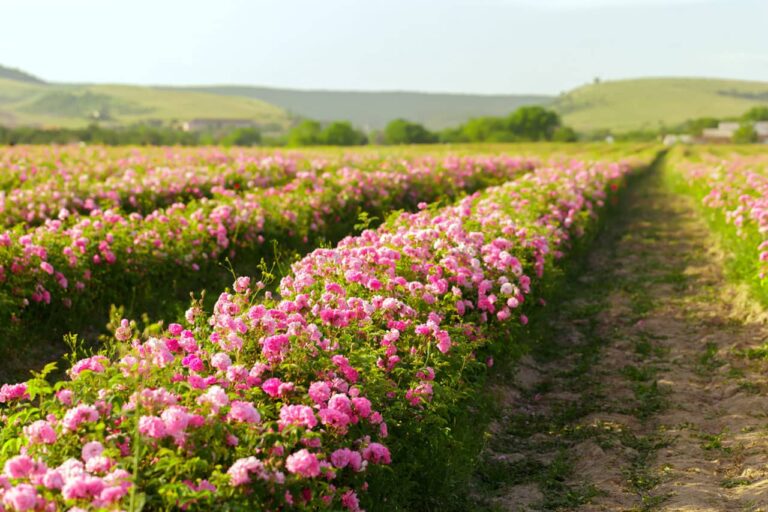
Hidden away in the Balkan region of Europe is a place of extraordinary beauty – Bulgaria’s Rose Valley. The Rose Valley in Bulgaria is a breathtaking destination renowned for its vast fields of wild roses. The air is filled with the sweet aroma of roses, and the vibrant hues of the flowers create a mesmerizing natural spectacle.

Located in central Bulgaria, near Kazanluk, the Rose Valley is a haven for outdoor adventure and exploration. Covering over 60,000 acres, the Rose Valley is home to some of the most breathtaking landscapes in Bulgaria. The region is characterized by its rolling hills, lush forests, and vibrant meadows of wild roses.

Discovering Bulgaria's Rose Valley

The Rose Valley is home to a species of roses called Bulgarian Damascene, a hybrid between Rosa gallica and Rosa moschata. The roses in the valley are renowned for their intense aroma and color, making it a popular destination for photographers and nature lovers alike.

The Rose Valley is also a haven for wildlife, with various birds, mammals, and reptiles living in the area. The diverse ecosystems of the Rose Valley provide a unique habitat for numerous species, making it an ideal spot for bird-watching and nature photography.

The Rose Valley is a serene and beautiful destination, ideal for outdoor recreation. For those seeking outdoor enjoyment, the Rose Valley provides endless possibilities such as hiking, bird watching, camping, and picnicking. The Bulgarian countryside in this region offers awe-inspiring views of the surrounding hills and forests, making it a place of unparalleled beauty.

The Rose Valley is also an essential part of Bulgarian culture and tradition. The valley is home to some of the world’s oldest rose oil production centers, and Bulgarian rose oil’s unique scent and flavor are well known throughout the region. Additionally, the roses of the Rose Valley are used in traditional Bulgarian products such as rose jam, rose-scented candles, and rose perfumes.

The Rose Valley holds significant value in local legends, where tales of fairies, dragons, and other fantastical beings are intertwined with the region. For centuries, the Rose Valley has been a place of myth and legend, and the tales of the valley are still told today.

Each year, the Rose Valley is celebrated with an annual rose-picking festival. Locals and tourists gather during the festival to pluck roses and indulge in authentic Bulgarian food, music, and dance. This event offers an excellent chance to immerse oneself in the vibrant culture and rich traditions of the Rose Valley and its neighboring areas.

Visiting the Rose Valley is a unique and unforgettable experience. The Rose Valley provides a range of options for visitors, from discovering the enchanting Bulgarian countryside to immersing themselves in the valley’s distinctive rose culture. Whether seeking an exciting outdoor escapade or an opportunity to embrace genuine Bulgarian traditions, this destination is ideal.

Nature of Rose Valley

Located in the heart of Bulgaria, the stunning Rose Valley is renowned for its abundant natural beauty and unique rose culture. Every year, the Rose Valley charms all who visit with its sprawling rose fields that burst into vibrant blooms, leaving an unforgettable impression on their hearts. This haven for nature enthusiasts boasts dense forests, majestic cliffs, and idyllic villages that together form a paradise-like landscape in this area.

The area is home to a diverse range of roses, from the fragrant Bulgarian Rose to the dark crimson Kazanluk Rose. Many of these roses are used to create rose oil, Bulgaria’s most famous beauty product. The rose fields are also home to various wildlife, including deer, wild boar, and other small animals.

The Rose Valley is a paradise for outdoor activities. The region is ideal for hiking, cycling, and other outdoor activities. Nature lovers will appreciate the diverse landscape, from the rolling hills to the rugged cliffs. Those seeking an adventure can explore the deep forests or take a boat ride up the Yantra River.

The beauty of the Bulgarian countryside is a highlight of the Rose Valley. The vibrant colors of the rose fields contrast the lush green hills and the azure waters of the Yantra River. The area is filled with the sweet aroma of roses on summer evenings, creating a truly magical experience.

The Rose Valley is a unique and special place in Bulgaria. It is home to a vibrant rose culture, with traditional rose production and rose-picking festivals. Visitors can explore the area and learn about the history and traditions of the region. From the bustling markets to the rose-covered hills, the Rose Valley is an unforgettable experience.

Rose Culture of the Rose Valley

In the heart of the Bulgarian countryside lies the Rose Valley, where the rose has been grown and cultivated for centuries. Home to the annual Rose Gathering Festival, the Rose Valley is celebrated for producing rose oil used in traditional Bulgarian rose products. The valley also has a long history of rose culture, a source of knowledge and legends passed down through generations.

Rose oil production is vital to the Rose Valley’s cultural heritage. This oil is extracted from the petals of the roses grown in the valley and is widely used in traditional Bulgarian beauty products. The oil is also used to make classic rose jam and honey.

The rose holds a special place in Bulgarian folklore and is an intrinsic part of the local culture. It is said that the rose brings good luck and health. Giving roses to friends and family on special occasions is a tradition in the Rose Valley. The rose is also a symbol of love and devotion and is often used in wedding ceremonies.

The valley is also home to various roses, some of which can only be found in this region. The diverse varieties of roses in the valley bring a vibrant splash of color to the Bulgarian countryside. There are many rose gardens in the valley where visitors can marvel at the beauty of the blooms.

The Rose Valley is a captivating sanctuary of unspoiled natural wonders, inviting visitors to embrace the raw magnificence of the Bulgarian countryside. In addition to the roses, the valley is home to various wildlife, including deer, hare, and fox. There are plenty of opportunities for outdoor activities such as hiking, cycling, and horseback riding.

The Rose Valley is fascinating to experience Bulgaria’s culture, history, and beauty. The unique rose culture, the vibrant wildlife, and the stunning scenery make this valley a must-visit destination for any traveler.

Celebrating Bulgaria’s Rose Valley

The Rose Valley in Bulgaria is an area of immense beauty and cultural importance. It is home to a wide variety of roses and various wildlife species. The valley is also renowned for its picturesque rural scenery and ample opportunities for outdoor activities. As such, the Rose Valley is a great place to celebrate the culture and traditions of Bulgaria.

One of the most popular ways to celebrate the Rose Valley is to participate in the annual rose-picking festivals. During this festival, locals and tourists are invited to pick roses from the valley to take home as souvenirs. As well as giving people a chance to witness the beautiful scenery of the Rose Valley, the festival also offers visitors a unique insight into the traditional Bulgarian culture.

Alongside the rose-picking festival, visitors to the Rose Valley can also enjoy traditional Bulgarian cuisine. The local restaurants serve up a range of specialties, with dishes such as musaka, a delicious mix of potatoes and minced meat, and kavarma, a stew made with pork and vegetables. The local bars and pubs often host live music and offer traditional Bulgarian drinks such as booza, a sweetened fermented wheat drink.

The Rose Valley is also home to traditional Bulgarian dance and music. During the rose-picking festivals, local folk groups gather to perform traditional Bulgarian folk songs and dances. Visitors to the Rose Valley are often invited to join in the festivities and learn the traditional melodies and dance steps.

As well as celebrating the Rose Valley, visitors can also celebrate the local rose culture. Visitors to the valley can learn about the unique production of rose oil, which is extracted using a process of steam distillation. Traditional Bulgarian rose products are also produced in the valley, with rose waters, rose syrups, and rose petal jams.

Finally, visitors to the Rose Valley can also learn more about the cultural significance of the rose in the local folklore. Roses are often present in traditional Bulgarian legends and stories, with the rose associated with love, beauty, and fertility. As such, the Rose Valley is a great place to explore the history and culture of Bulgaria.

Visiting the Rose Valley

Bulgaria’s Rose Valley is an ideal destination for travelers exploring the region’s unique beauty. The valley is located near Kazanluk, and it’s a great place to experience the natural beauty of Bulgaria’s countryside its diverse wildlife, and discover the area’s unique culture.

The Rose Valley is home to various roses, including the Damascena rose, the main ingredient in producing rose oil. Cultivating roses has been an essential part of the local culture for centuries, and several traditional Bulgarian rose products can be found in the area. Rose-picking festivals are held annually in the Rose Valley and are very popular among locals and tourists. Visitors can experience traditional Bulgarian cuisine, music, and dance during these festivals.

The Rose Valley is ideal for outdoor activities such as hiking, birdwatching, and cycling. There are plenty of opportunities to explore the area’s natural beauty, with stunning views of the surrounding mountains and valleys. The most popular tourist attractions in the area include the Thracian tombs, the Rose Museum, the Ethnographic Complex, and the National Museum of History.

For those looking to get the most out of their visit to the Rose Valley, the best time to visit is during the summer, when the rose-picking festivals are held and the valley is in full bloom. Visitors should also take the time to explore Kazanluk, just a few kilometers from the Rose Valley. Kazanluk is home to several noteworthy landmarks, such as the Kazanluk Monument, the Clock Tower, and the Church of St. Nicholas. The city is also known for its vibrant culture and nightlife.

Accommodation in the area is easy to find, with various hotels, guesthouses, and campsites available. Visitors should also arrange safe and reliable transportation when visiting the Rose Valley. Several guided tours and travel packages are available to make the most of your trip. There are recommended itineraries for those interested in exploring more of the region, including the Rose Valley and Kazanluk.

Visiting the Rose Valley is a great way to experience Bulgaria’s countryside’s unique culture, beauty, and wildlife. From its spectacular views to its traditional rose products, the Rose Valley is a must-see destination for anyone looking to explore the best of the region.

Exploring the City of Kazanluk

Nestled in the heart of Bulgaria’s Stara Planina mountain range, Kazanluk is the gateway to Bulgaria’s famous Rose Valley. Located in the province of Haskovo, Kazanluk is an important historical and cultural center that is well worth exploring when visiting the Rose Valley.

Kazanluk is the capital of the Bulgarian province and is renowned for its impressive architecture and vibrant culture. The city was once the capital of the Thracian Kingdom and still bears the influence of its past. Visitors can explore the city’s fascinating history by visiting its many ancient monuments and museums.

The city is also home to numerous impressive historical sites, including the Thracian Tomb of Kazanluk, the archaeological complex of Seuthes III, and Saint Demetrius Church.

Kazanluk is also known for its vibrant culture and nightlife. The city’s lively pubs and cafés are popular spots for locals and visitors, offering a great way to experience the city’s unique atmosphere. Concerts and other cultural events are held regularly in the town.

The city is also a great place to shop for traditional Bulgarian products. Kazanluk’s markets and shops offer various goods to explore, from handmade jewelry to locally produced wines.

Kazanluk is also home to several important cultural institutions, such as the National History Museum and the Ivan Vazov National Library. These institutions are essential hubs of learning and culture and provide visitors with an insight into the city’s rich heritage.

Kazanluk also hosts a range of exciting festivals and events throughout the year. From the Rose Festival in May to the Wine Festival in October, visitors can experience the best of Bulgaria’s culture and traditions.

Kazanluk is the perfect place to explore Bulgaria’s rich culture and history. With its impressive monuments, vibrant nightlife, and exciting festivals and events, Kazanluk will surely delight visitors of all ages.

Accommodations and Travel

Travelers who are determined to explore Bulgaria’s Rose Valley near Kazanluk have many accommodation options. The nearby city of Kazanluk offers visitors comfortable and convenient lodging opportunities. Furthermore, the area is served by a reliable and safe transportation network, making it easy to explore popular attractions in and around the Valley.

Those wishing to stay in Kazanluk can find numerous hotels, hostels, and guesthouses to suit their needs. The city is a major tourist destination, and many hotels are located close to the major attractions in the city. For those looking for a more unique lodging experience, Kazanluk also has a wide selection of bed and breakfasts. The city also offers plenty of camping sites for those looking to enjoy the outdoors.

For those wishing to explore the area around the Rose Valley, there are several options for transportation. Visitors can rent cars from the local airport and drive to their destination. Alternatively, they can use the public bus network connecting Kazanluk to nearby towns and villages. Several taxi companies can pick up and drop off passengers at their desired destination for those looking for a more luxurious way of getting around.

No matter the length of time they plan to stay in the area, travelers should consider scheduling an itinerary that suits their interests and budget. It is important to research the various attractions and activities in the area in advance to ensure they don’t miss out on something special. Travelers should also know the best time of year to visit the Rose Valley to coincide with the annual rose-picking festivals and other events.

Many guided tours are available for those looking to explore the Valley and its wildlife. These can range from half-day trips to longer multi-day excursions. Experienced guides can provide valuable information on the Valley’s flora and fauna, as well as the history and culture of the region.

Travelers should also consider purchasing a local travel card. These cards are available in various denominations and can be used for various public transportation services, such as buses and trams. Using a travel card can be a great way to save money on transportation fees while visiting the Valley.

By planning the perfect itinerary and learning about the various accommodation and transportation options available in the region, travelers can ensure that their visit to Bulgaria’s Rose Valley near Kazanluk is pleasant and memorable


10 Best Tea Infusers of 2023

0

With countless options available in the market, finding the best tea infusers can be quite overwhelming. But worry not! In this article, we have carefully curated a list of the top-rated and most efficient tea infusers to help you consistently achieve that perfect cup of tea.

Tea brewing is about the quality of the tea leaves and the perfect infusion process. And that’s where a tea infuser becomes an indispensable tool for all tea enthusiasts. Whether you prefer loose-leaf teas or herbal blends, these innovative gadgets will revolutionize your tea-drinking experience and ensure maximum flavor extraction. So, let’s dive in and explore the best tea infusers guaranteed to elevate your daily steeping ritual to new heights!

What is a Tea Infuser?

Tea enthusiasts know that a cup of tea is not just a beverage but an experience. Every sip brings comfort and relaxation, from the delicate aroma to the soothing warmth. And while tea bags have long been the go-to option for convenience, true tea lovers prefer loose-leaf teas for their superior flavor and quality. But brewing loose-leaf tea can be somewhat of a challenge without the right tools. This is where tea infusers step in – small devices designed to steep loose leaves effortlessly.

A tea infuser serves as a vessel for steeping loose tea leaves, allowing them to release their flavors and aromas into hot water.

Best Tea Infusers of 2023

Are you tired of the hassle and mess of using tea bags? Do you crave a better, more flavorful cup of tea? Look no further than the best tea infusers on the market.

These handy tools are designed to enhance the flavors of loose-leaf teas, allowing you to enjoy a more aromatic and flavorful cup every time. No matter your tea preference – black, green, herbal, or any other type – using a top-notch tea infuser can significantly enhance your brewing experience. This article will explore what to look for when searching for the best tea infusers on the market and how they can improve your tea-drinking journey.

Adagio Teas ingenuiTEA Iced Tea

Adagio Dispensing Teapot
Photo: Amazon

The Adagio Teas ingenuiTEA Iced Tea Infuser is one of the best tea infusers on the market. With its innovative design and ease of use, this infuser is a game-changer for tea lovers who crave a refreshing glass of iced tea without any fuss. The Adagio Teas ingenuiTEA is the top choice for brewing the perfect iced tea every time.

When it comes to enjoying a refreshing glass of iced tea, the secret lies in finding the perfect tea infuser. With its innovative mesh filter, this infuser is designed to retain all the tea leaves while allowing for maximum flavor extraction. Considered one of the best tea infusers on the market, it offers a convenient and hassle-free way to brew your favorite iced teas.

The Adagio Teas ingenuiTEA Iced Tea teapot is convenient and ensures that your tea remains BPA-free. With its innovative design and dishwasher-safe feature, it’s no wonder why this tea infuser has gained popularity among tea enthusiasts worldwide.


Extra Fine Mesh Infuser-Strainer

Extra Fine Mesh Infuser-Strainer
Photo: Amazon

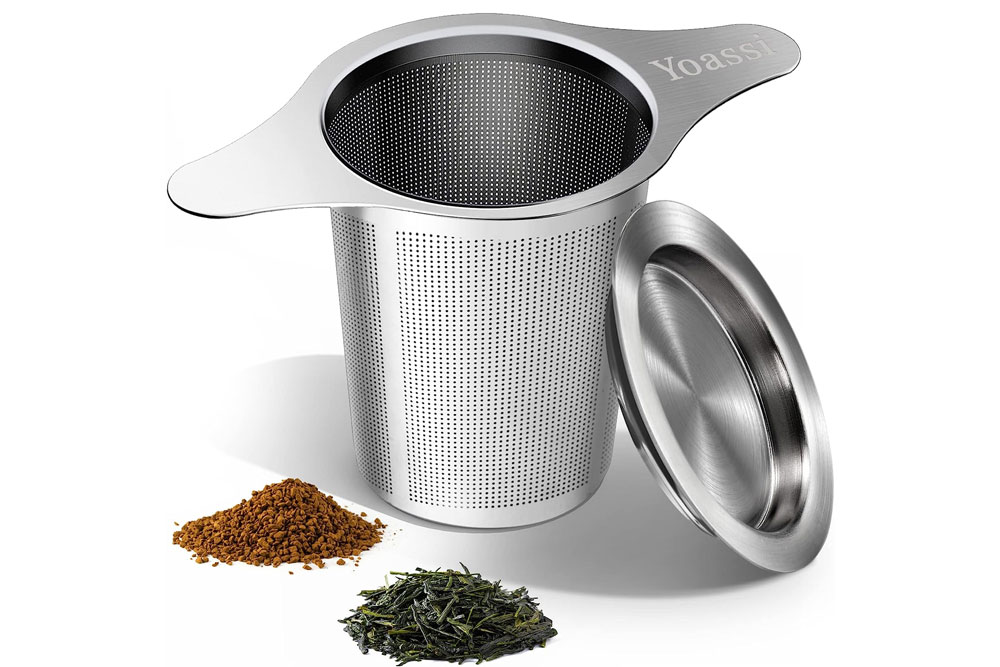
Tea is not just a beverage; it is an experience. For all the tea enthusiasts, finding the perfect accessories to enhance that experience is essential. Present the Yoassi extra fine 18/8 Stainless Steel Tea Infuser mesh strainer with a large capacity & perfect size double handles for hanging on mugs, teapots, or cups.

Designed with both functionality and style in mind, this tea infuser boasts an extra fine mesh strainer that ensures no loose leaves or debris find their way into your cup. Crafted from high-quality food-grade 18/8 stainless steel, it guarantees durability and longevity, making it an investment lasting for years.

This tea accessory guarantees a safe and healthy brewing experience and has no unwanted odors that might taint the pure essence of your favorite teas. Say goodbye to worrying about harmful chemicals seeping into your beverages, as this innovative steeper contains absolutely none. For those who prefer loose-leaf tea, consider gifting them a stylish infuser or a set of reusable tea bags.


OTOTO Baby Nessie Loose Leaf Tea Infuser

OTOTO Baby Nessie Loose Leaf Tea Infuser
Photo: Amazon

Are you looking for the perfect gift for the tea lover? Look no further than the OTOTO Baby Nessie Loose Leaf Tea Infuser. This adorable and functional tea infuser will surely bring a smile to anyone’s face. Made from food-grade silicone, it is safe and easy to clean.
The design of the Baby Nessie infuser is not only cute but also practical. The long handle neck allows easy stirring and removal from hot water, preventing potential burns. The strainer at the bottom ensures that no loose tea leaves escape your cup, giving you a smooth and flavorful brew every time.

This tea infuser is an excellent addition to any tea lover’s collection and comes with a bonus steeping spoon. This handy tool makes measuring and adding loose-leaf tea a breeze. This adorable and innovative tea infuser is a practical tool for brewing tea and a charming addition to any kitchen. Its unique design resembles the legendary Loch Ness Monster, adding a touch of whimsy to every cup of tea.
It can be used with various teas, including powdered tea, fine ground tea, and herbal infusions. Whether your loved one prefers strong black teas or delicate floral blends, this infuser will help extract maximum flavor and aroma from their favorite leaves. And when they are done steeping their brew, they can discard the used leaves without any hassle or mess.


Tea Forté Steeping Cup with Infuser

Tea Forté Steeping Cup with Infuser
Photo: Amazon

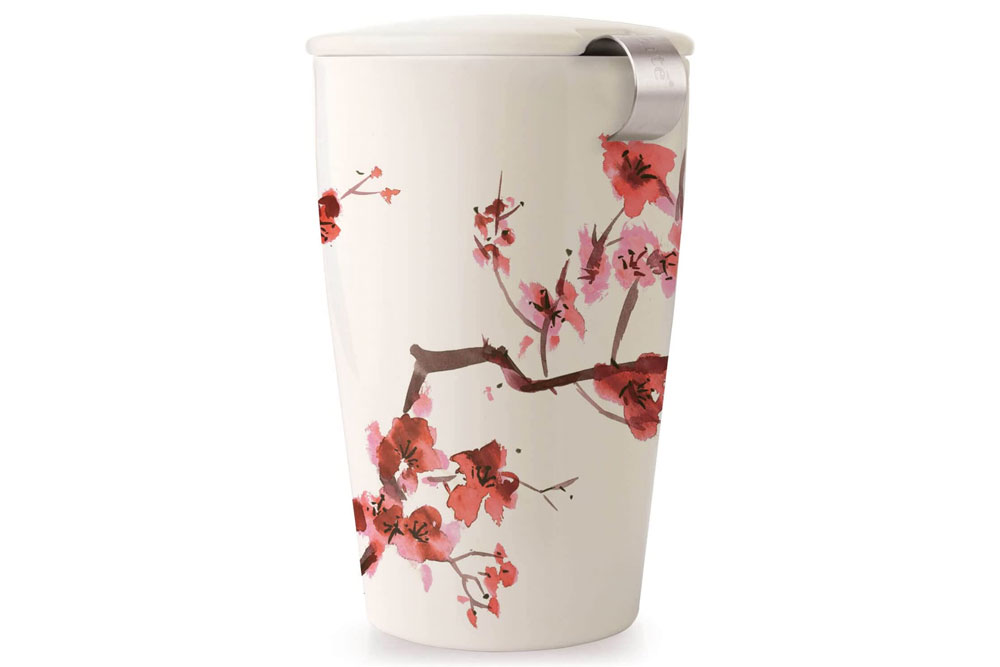
Are you a tea lover in search of the perfect tea accessory? Look no further than the Tea Forté Steeping Cup with Infuser, a remarkable addition to any tea enthusiast’s collection. This all-in-one set includes a double-wall ceramic tumbler, a stainless steel loose-leaf tea infuser basket, and a lid, providing convenience and functionality for an impeccable tea brewing experience.
Whether you enjoy sipping on delicate herbal blends or robust black teas, this versatile tea cup with infuser enhances your tea-drinking ritual, allowing you to unlock the full potential of your favorite loose-leaf teas. Join us as we explore this exceptional product and delve into the world of must-have accessories for true tea lovers. This innovative ceramic tea infuser cup teaware combines functionality and style, allowing you to enjoy your favorite loose-leaf teas with ease.

Aberdeen Tea Steeper and Tea Infuser

Aberdeen Tea Steeper and Tea Infuser
Photo: Amazon

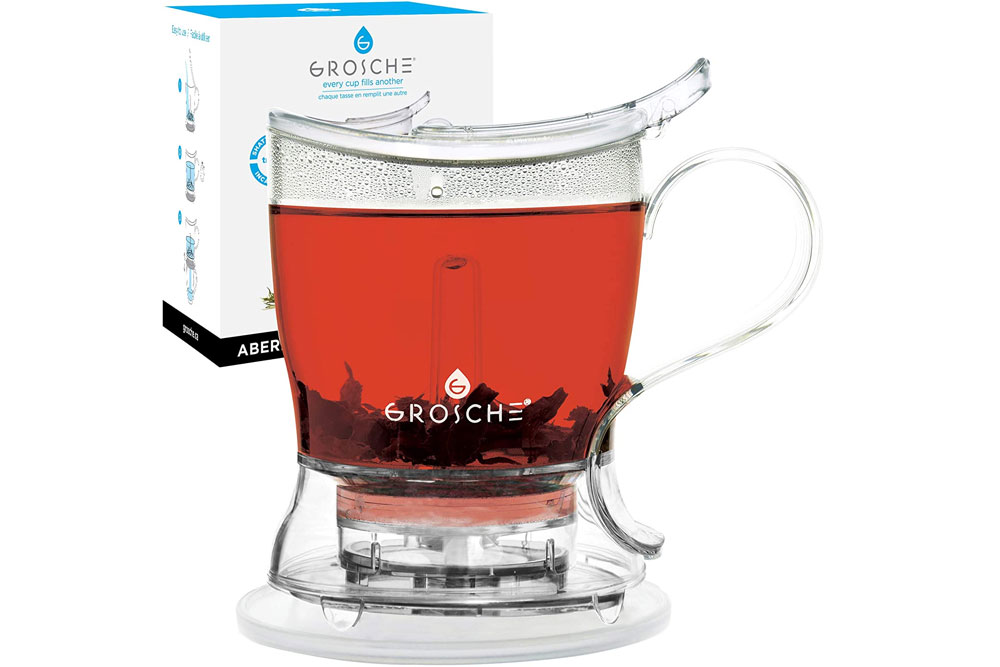
Introducing the state-of-the-art loose-leaf tea brewing set to enhance every sip and elevate their tea experience to new heights. Not only is this an excellent choice for any tea enthusiast, but it also makes a thoughtful mother-in-law gift that will leave a lasting impression.

This top-tier loose-leaf tea brewing set includes all the essentials for a perfect cup of tea. From an elegant glass teapot with an infuser insert and ergonomic handle for easy pouring to fine mesh strainers that capture even the tiniest leaves, this set encompasses everything one needs to brew one’s favorite teas with precision and finesse.

The Aberdeen teapot and strainer have revolutionized the tea-drinking experience for all avid tea lovers. Crafted from 100% USA Tritan material, these exceptional products offer a level of durability and quality unmatched in the market. Tritan material is renowned for its shatterproof properties, making these teapots and strainers practical and safe.

Whether brewing your favorite loose-leaf tea or enjoying a soothing cup of herbal infusion, the Aberdeen teapot and strainer provide the perfect solution. The 100% shatterproof Tritan loose tea steeper ensures every cup is infused with rich flavor while preventing unwanted leaves from ending in your drink. Moreover, Tritan material guarantees that these products will withstand everyday wear and tear, ensuring their longevity for years.


Finum Reusable Stainless Steel Tea Infusing Mesh Brewing Basket

Finum Reusable Stainless Steel Coffee and Tea Infusing Mesh Brewing Basket
Photo: Amazon

Finum Reusable Stainless Steel Tea Infusing Mesh Brewing Basket is an innovative brewing basket that has revolutionized how we enjoy our tea, offering a durable and convenient solution for all tea enthusiasts. This brewing basket’s exceptional design and superior functionality will elevate your tea experience.

Whether you’re a passionate tea connoisseur or simply looking for an efficient way to brew your daily cup of joe, this innovative brewing basket is designed to elevate your beverage experience. Crafted from stainless-steel micro-mesh and encased in a heat-tolerant frame made from BPA-free material, this tea infuser offers an exceptional brewing experience.

This innovative product not only enhances the flavor and aroma of your favorite loose-leaf teas but also comes with a lid that helps maintain a warm temperature for a more extended period. But that’s not all – this lid can be flipped over and used as a drip-off tray, making it incredibly versatile and convenient. Say goodbye to messy countertops and enjoy your favorite brew in style with our top-rated tea infuser.


Sweese Porcelain Tea Mug with Infuser and Lid

Sweese Porcelain Tea Mug with Infuser and Lid
Photo: Amazon

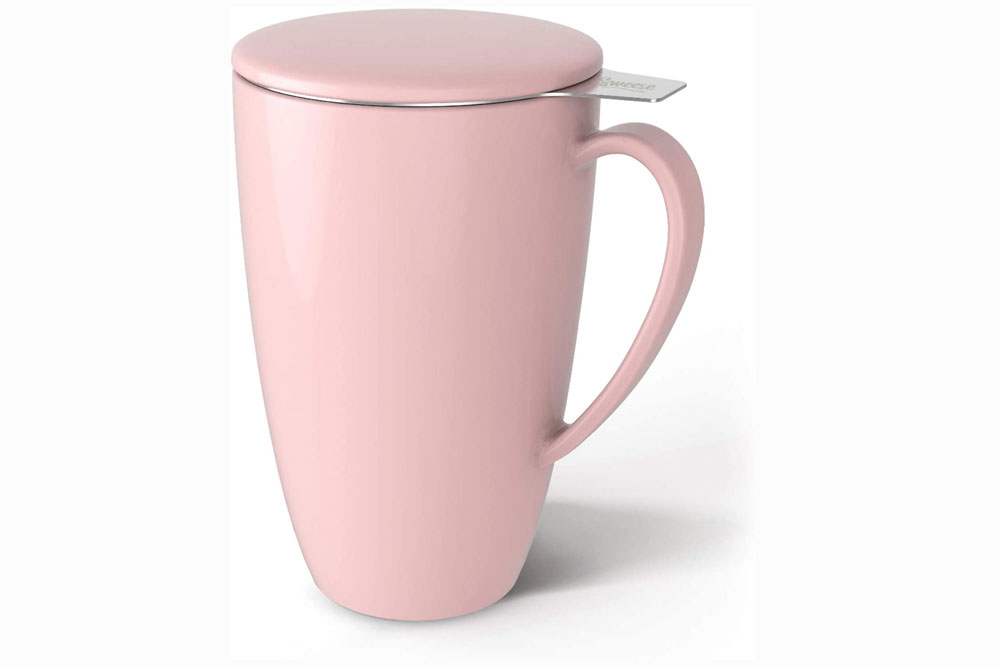
The Sweese Tea Mug’s built-in infuser lets tea lovers steep their favorite loose-leaf blends without using separate tools. Add your desired amount of tea leaves into the infuser, pour hot water into the mug, cover it with the lid, and let it steep to perfection. The infuser ensures no stray leaves are in your cup, allowing flavors to develop fully.

This Sweese 15 oz Porcelain Tea Mug with Infuser and Lid is a beautifully designed mug and functional and aesthetically pleasing, making it a must-have for any tea enthusiast. With its elegant porcelain construction and convenient lid, this mug allows for the easy brewing of loose-leaf tea, ensuring a flavorful and enjoyable experience every time.

The Sweese 15 OZ Porcelain Tea Mug is toxin-free and offers a delightful and stylish way to enjoy your favorite teas. With its sleek design and generous size, this mug provides ample space for steeping tea leaves or herbal infusions. The smooth porcelain surface enhances your beverage’s flavor and makes it easy to clean after use.


Stainless Steel Classic Tea Infuser

Classic Tea Infuser
Photo: Amazon

Tea enthusiasts know that the quality of their brew dramatically depends on the tools they use. And when it comes to brewing loose tea, a reliable and efficient tea infuser is an absolute must-have. In this article, we will explore one of the finest tea infusers in the market – VAHDAM Classic Tea Infuser.

Crafted with precision using 18/8 stainless steel, this versatile loose tea steeper ensures durability and longevity, making it a long-lasting companion for all your tea sessions. It promises to enhance your tea-drinking experience by effortlessly extracting all the flavors and aromas from your favorite loose tea leaves.

With its unique design and easy-to-use features, this tea infuser is here to revolutionize your tea-making experience. Whether you prefer a small cup or a large mug, the Classic Tea Infuser has covered you, making it one of the best tea infusers on the market today. With their ability to avoid debris and ensure a flavorful infusion, these tea infusers have quickly gained recognition as one of the best tea infusers in the market. Whether you prefer loose-leaf teas or herbal blends, these filters will take your tea-drinking experience to new heights of perfection.


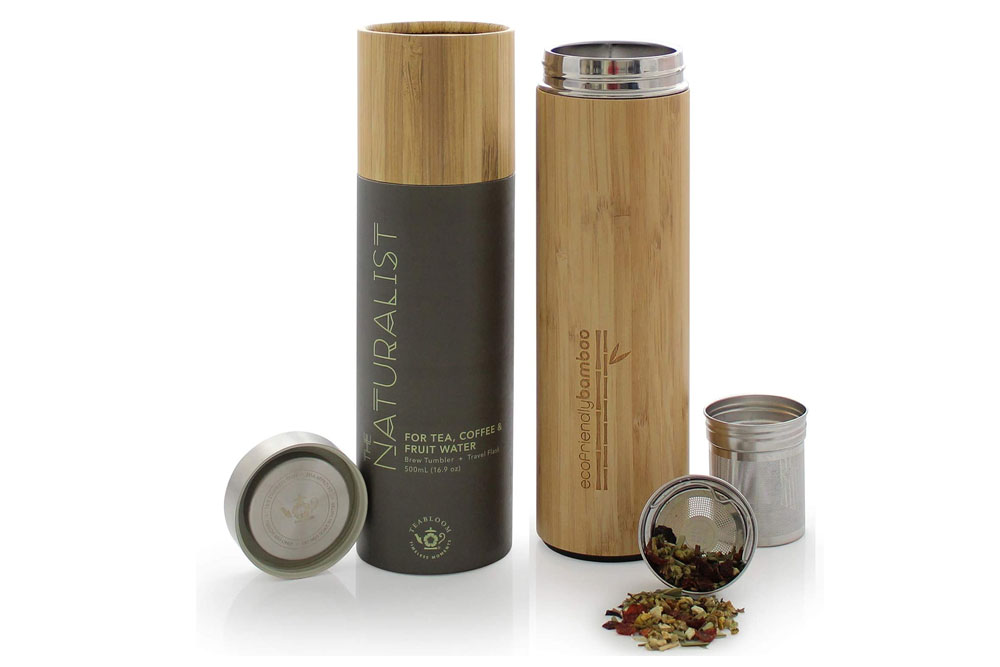
Teabloom All-Beverage Travel TumblerThe Tea Spot Mountain Tea Tumbler

Teabloom All-Beverage Travel Tumbler
Photo: Amazon

If you’re a tea enthusiast or love to enjoy your favorite beverages on the go, the Teabloom All-Beverage Travel Tumbler is a must-have accessory. With its large capacity of 17 oz (500 ml), this insulated thermos mug allows you to carry your hot or cold drinks without worrying about them losing their temperature. But what sets this tumbler apart from others is its eco-friendly construction made from bamboo, making it an excellent choice for those who value sustainability.

This tumbler helps reduce waste and adds a touch of natural elegance to your daily routine. Whether you are a tea enthusiast, a cold-brew coffee lover, or enjoy fruit-infused water, The Naturalist has covered you with its built-in infuser explicitly designed for all types of beverages.

Made from 100% BPA-free and non-toxic materials, these infusers prioritize your health while enhancing your tea-drinking experience. Not only that, but they are also resistant to stains, odors, and corrosion, ensuring a long-lasting product. And if you’re always on the go, Teabloom has a slim-line design that fits perfectly into all car cup holders. Amongst the plethora of tea infuser options available in the market, Teabloom stands out for its earth-friendly materials and remarkable features.


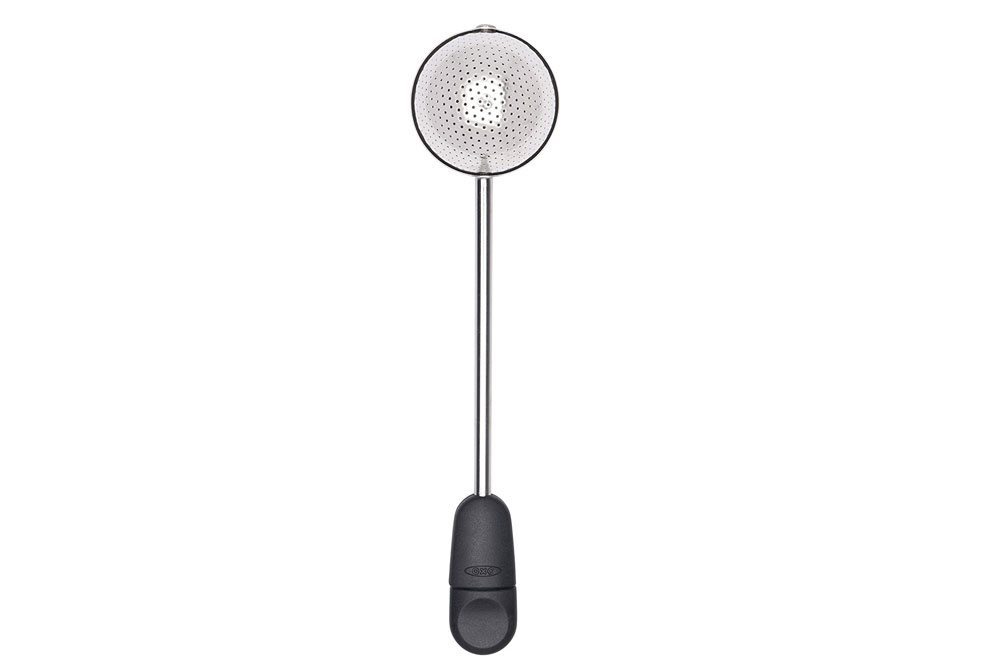
OXO BREW Twisting Tea Ball Infuser

OXO BREW Twisting Tea Ball Infuser
Photo: Amazon

When brewing the perfect cup of tea, using a high-quality infuser is essential. The OXO BREW Twisting Tea Ball Infuser has emerged as one of the best tea infusers on the market, providing tea enthusiasts with an effortless and convenient way to steep their favorite loose-leaf teas. With its innovative design and superior functionality, this tea ball infuser offers an exceptional brewing experience that genuinely elevates the enjoyment of your daily cuppa.

Crafted by OXO, a renowned brand known for its commitment to creating innovative kitchen tools, the Twisting Tea Ball Infuser stands out for its thoughtful features and user-friendly design. With its long, stainless steel neck that accommodates most cups and mugs, this infuser offers convenience and efficiency when steeping your favorite teas.

This innovative product is designed with a unique twisting handle that allows you to load a generous amount of tea into the ball, ensuring a robust and flavorful brew every time. But what truly sets this infuser apart is its spinning design, making emptying it effortless.


In conclusion, finding the best tea infuser is essential for tea lovers who want to enhance their tea brewing experience. With a wide range of options available in the market, it is necessary to consider factors such as material, size, and ease of use when choosing a tea infuser.

Whether you prefer a traditional stainless steel infuser or a more modern silicone design, plenty of options are available on the market. Consider factors such as size, ease of use, and durability. Additionally, don’t forget to consider the type of tea you typically brew and whether or not the infuser is suitable for loose-leaf or bagged tea.

10 Must-Have Tea Accessories for Tea Lovers

0

Tea accessories for tea lovers are essential as they genuinely appreciate the art of tea drinking. Tea has been enjoyed for centuries by people all around the world. From its rich history to its soothing properties, tea has become a beloved beverage for many.

Tea is not just a beverage; it is an experience. For many tea lovers, brewing and savoring tea goes beyond the simple act of quenching their thirst. It becomes a ritual, a moment of tranquility and indulgence during a busy day. To enhance this experience even further, tea accessories play a crucial role.

These tools help tea enthusiasts elevate their tea-drinking journey to new heights, from infusers to teapots, strainers to mugs. This article will explore some of the essential tea accessories every tea lover should have in their collection.

Must-Have Tea Accessories for Tea Lovers

Tea Forté Steeping Cup with Infuser

Tea Forté Steeping Cup with Infuser
Photo: Amazon

Are you a tea lover in search of the perfect tea accessory? Look no further than the Tea Forté Steeping Cup with Infuser, a remarkable addition to any tea enthusiast’s collection. This all-in-one set includes a double-wall ceramic tumbler, stainless steel loose-leaf tea infuser basket, and a lid, providing convenience and functionality for an impeccable tea brewing experience.

Whether you enjoy sipping on delicate herbal blends or robust black teas, this versatile tea cup with infuser enhances your tea-drinking ritual, allowing you to unlock the full potential of your favorite loose-leaf teas. Join us as we explore this exceptional product and delve into the world of must-have accessories for true tea lovers.


Extra Fine Mesh Infuser-Strainer

Extra Fine Mesh Infuser-Strainer
Photo: Amazon

Tea is not just a beverage; it is an experience. For all the tea enthusiasts, finding the perfect accessories to enhance that experience is essential. Present the Yoassi extra fine 18/8 Stainless Steel Tea Infuser mesh strainer with a large capacity & perfect size double handles for hanging on mugs, teapots, or cups.

Designed with both functionality and style in mind, this tea infuser boasts an extra fine mesh strainer that ensures no loose leaves or debris find their way into your cup. Crafted from high-quality food-grade 18/8 stainless steel, it guarantees durability and longevity, making it an investment lasting for years.

This tea accessory guarantees a safe and healthy brewing experience and has no unwanted odors that might taint the pure essence of your favorite teas. Say goodbye to worrying about harmful chemicals seeping into your beverages, as this innovative steeper contains absolutely none.


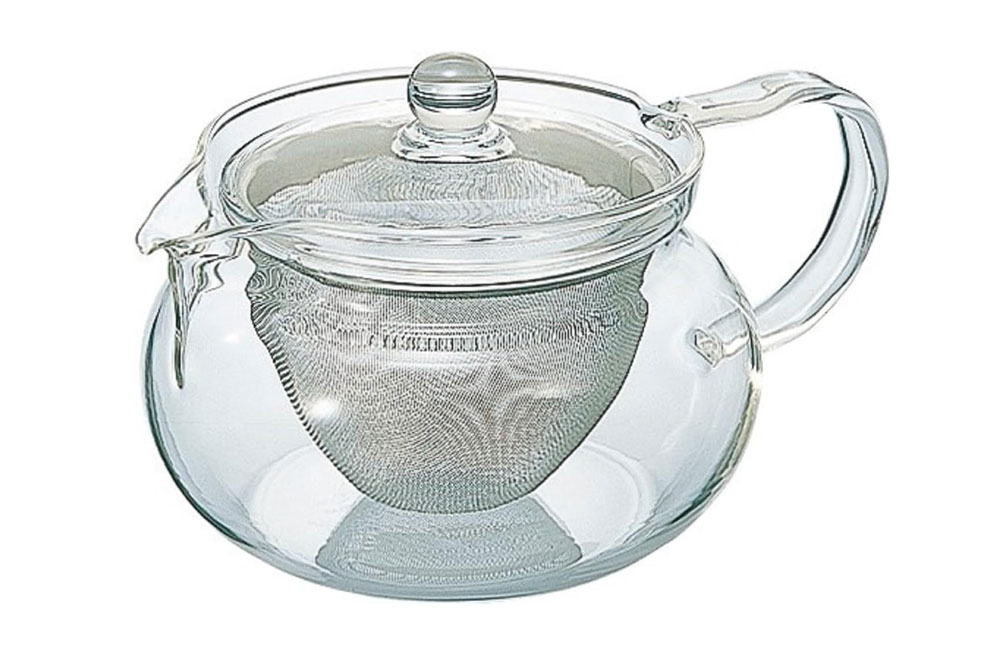
Single Serving Glass Teapot

Single Serving Glass Teapot
Photo: Amazon

Hario, the renowned Japanese brand known for its exceptional craftsmanship and innovative designs, has unveiled a new addition to its collection of tea accessories – the ChaCha Kyusu Maru teapot. With its modern aesthetics and Hario’s signature heatproof glass, this teapot is set to revolutionize your tea brewing experience.

Its minimalist and timeless design seamlessly blends in with any kitchen decor or style, making it the perfect companion for contemporary and traditional settings. The ChaCha Kyusu Maru teapot showcases Hario’s commitment to producing high-quality products that elevate the art of tea making.

Not only does this teapot offer a visually pleasing experience, but it is also designed with your safety in mind. Made from specially treated heatproof glass, it is resistant to shattering, ensuring peace of mind as you indulge in your favorite beverage. This teapot is also hot water-safe and dishwasher-safe for added convenience.


Glass Pitcher for Iced Tea, Beverage with Cleaning Brush

Glass Pitcher for Iced Tea Beverage with Cleaning Brush
Photo: Amazon

Crafted from high-quality borosilicate glass, this pitcher offers exceptional durability and an elegant aesthetic to enhance any table setting. Its generous capacity of 64 ounces makes it perfect for serving refreshing beverages such as water, juice, or even homemade cocktails.

Whether you are hosting a dinner party or simply enjoying a relaxing afternoon at home, this pitcher is an essential addition to your collection of tea accessories. Made from durable 18 8 stainless steel, this versatile accessory keeps ice cubes and sliced fruit inside your beverage and accommodates tea bags for those who prefer an infusion of flavors.

What sets this lid apart is its specially designed non-dripping spout. No longer will you have to worry about messy spills or inconvenient leaks as you sip on your favorite cuppa.


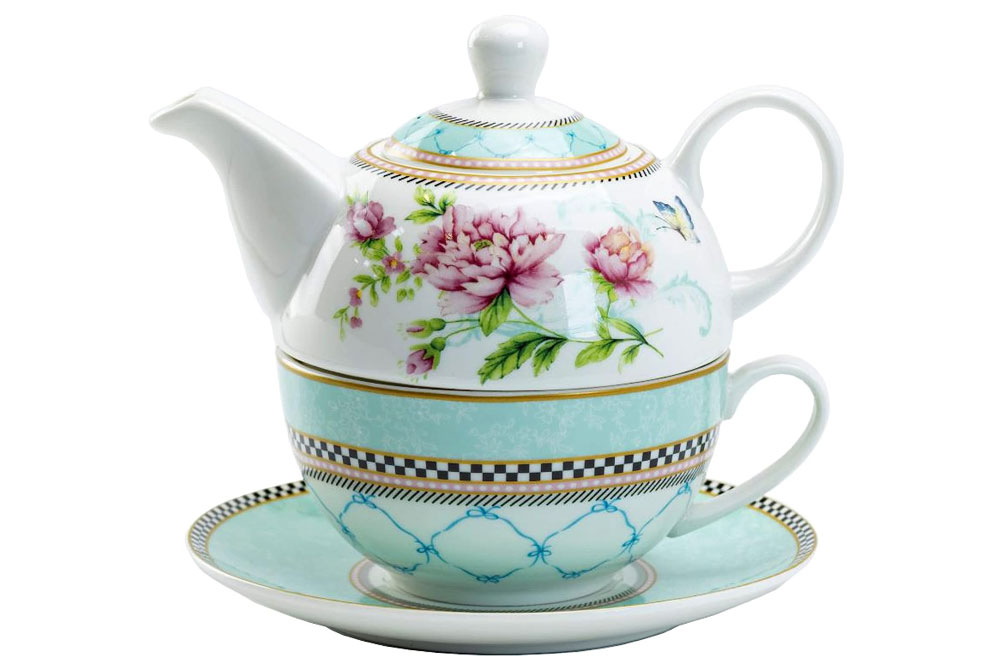
Grace Teaware Porcelain 4-Piece Tea For One

Grace Teaware Porcelain 4-Piece Tea For One
Photo: Amazon

Grace Teaware stands out as a brand that caters to aesthetics and practicality. For One set, complete with a 2-cup teapot, a 10-ounce cup, and a 6-inch saucer. designed with meticulous craftsmanship and attention to detail, this tea set promises to elevate your tea-drinking experience while adding a touch of sophistication to your table setting.

This beautifully designed set combines functionality and elegance, offering tea enthusiasts a convenient way to brew and enjoy their favorite teas. Not only does it provide a hassle-free brewing experience, but it also ensures easy cleaning as it is dishwasher safe. Additionally, its microwave-safe feature allows for quick heating of water or reheating your beverage in case it gets cold. So grab your favorite loose-leaf tea, sit back, and indulge in a delightful tea-drinking experience with Grace Teaware’s Tea For One set.


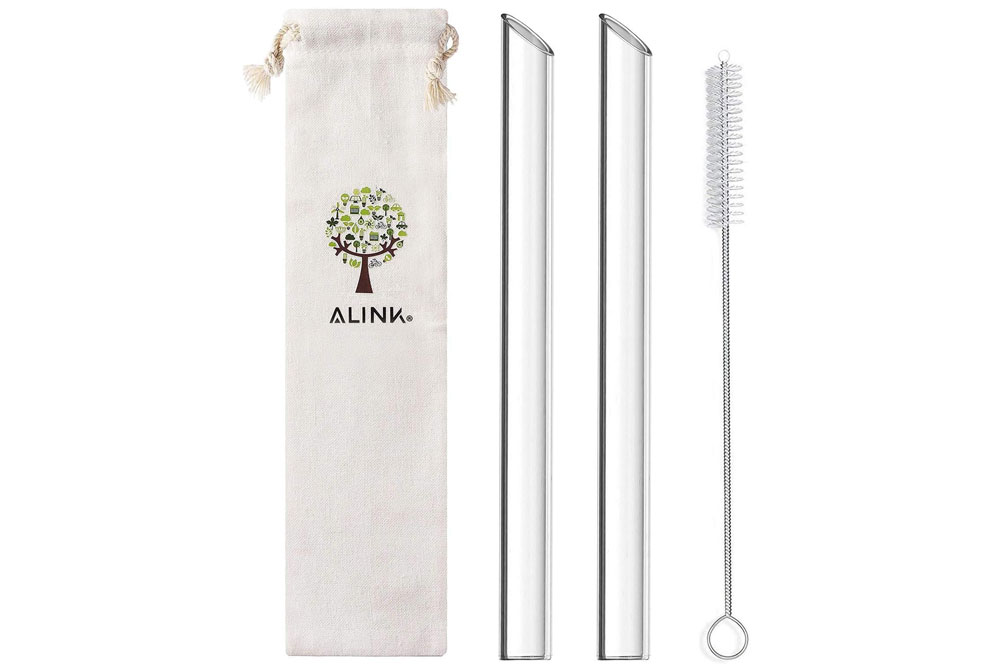
Reusable Glass Boba Straws

Reusable Glass Boba Straws

The global movement towards sustainability and reducing plastic waste has gained significant momentum in recent years. As individuals become more conscious of their environmental impact, they turn towards eco-friendly alternatives in various aspects of their lives, including food and beverage consumption.

One such trend that has emerged is the use of reusable glass boba straws. These straws are made from food-grade borosilicate glass and offer a safe and eco-friendly alternative to traditional plastic straws. The emphasis on using sustainable materials in tea accessories proliferates as tea enthusiasts seek ways to enjoy their favorite brews without harming the environment.

Made from food-grade borosilicate glass, these straws offer a range of benefits, such as being BPA-free, lead-free, and dishwasher-safe. They provide a sustainable option for enjoying your favorite tea accessories, and their transparency and cleanliness make them an appealing choice for any beverage lover.


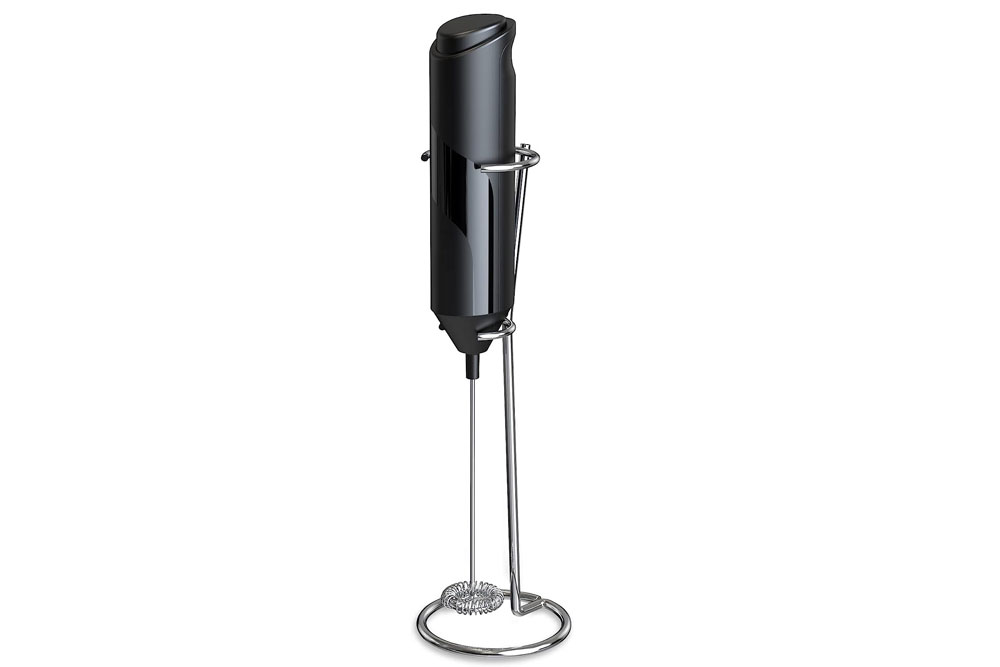
Handheld Milk Frother with Stainless Steel Stand

Electric Milk Frother Handheld with Stainless Steel Stand
Photo: Amazon

Something new and exciting is always on the horizon, from exotic blends to unique brewing methods. The Electric Milk Frother Handheld with Stainless Steel Stand is one accessory that has taken the tea community by storm. This battery-powered foam maker has an impressive 14000rpm speed, ensuring a quick and efficient frothing process. With its food-safe stainless-steel whisk and BPA-free shaft, this frother offers both convenience and peace of mind for health-conscious individuals.

Designed explicitly for tea enthusiasts, this handy accessory is powered by just two AA batteries (not included), allowing you to enjoy a cordless and hassle-free frothing experience. No more searching for an available socket or dealing with tangled cords – change the battery directly upon running out of power, ensuring that your tea time remains uninterrupted.


Tea Spot Steepware Tea Tumbler and Thermos

The Tea Spot Steepware Tea Tumbler and Thermos
Photo: Amazon

Gone are the days of settling for mediocre tea bags or sacrificing flavor for convenience. With Teabloom’s sleek double wall tumbler and insulated travel bottle, you can savor every sip of your perfectly brewed beverage wherever life takes you.

Teabloom has once again exceeded expectations with its latest tea accessory. Explicitly designed for tea enthusiasts, this all-in-one tumbler features a built-in tea infuser for loose-leaf tea or even iced coffee; this sleek double-wall tumbler not only keeps your beverage hot (or cold) but also allows you to brew your favorite teas on the go.


Takeya Premium Quality Iced Tea Maker

Takeya Premium Quality Iced Tea Maker
Photo: Amazon

If you’re tired of the hassle and mess of traditional methods of making iced tea, look no further than the Takeya Premium Quality Iced Tea Maker. This innovative pitcher is durable and BPA-free and boasts an airtight, leakproof lid that ensures your delicious brew stays fresh for longer. And the best part? You can have a refreshing glass of homemade iced tea in 30 seconds without sacrificing freshness, flavor, or nutrients!

Whether you prefer the classic taste of unsweetened tea or want to add sweetness with sugar, citrus, or other fruits, this revolutionary gadget allows you to customize your drink according to your preferences.


Takeya Premium Quality Iced Tea Maker

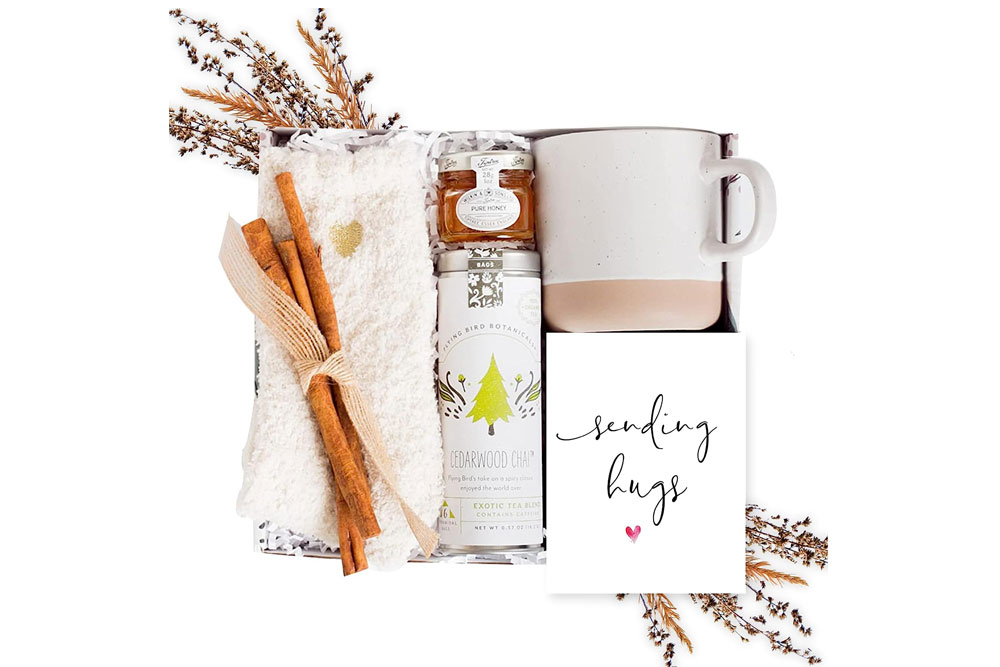
Unboxme Tea Gift Box
Photo: Amazon

Are you a tea enthusiast, or do you know someone who is? Look no further than the Unboxme Tea Gift Box! This delightful package, explicitly designed for tea lovers, includes various carefully curated items to enhance your tea-drinking experience.

From cozy white socks and a cream-speckled ceramic mug to a cedarwood chai tea set, mini honey jar, cinnamon sticks, and even a bonus greeting card, this gift box has everything you need to create the perfect cup of tea while indulging in some much-needed relaxation. Whether treating yourself or searching for the ideal gift for a fellow tea lover, the Unboxme Tea Gift Box is bound to delight and enchant with its beautiful and functional tea accessories.


In conclusion, tea accessories are essential for any tea lover looking to enhance their tea-drinking experience. These accessories offer convenience, style, and functionality, from teapots and infusers to mugs and timers. They allow tea enthusiasts to brew their favorite teas with precision and enjoy them in a visually appealing manner. Whether you want to expand your collection or start your journey into the world of tea accessories, many options suit your needs and preferences. So why not elevate your tea rituals by investing in high-quality tea accessories today?

10 Most Profitable Herbs to Grow

0

Focusing on the most profitable herbs to grow is crucial to maximize your earnings. In this article, we will explore the top herbs that offer high demand in the market and excellent profit potential.

Growing your herbs is a great way to save money and offer variety to your meals. But did you know that the right herbs can also be a great way to make money? With some planning and know-how, you can turn your herb garden into a profitable business. From basil to rosemary, several herbs can make you a profit. This article explores the 10 most profitable herbs to grow and how to turn your herb garden into a money-making venture.

Growing herbs can be advantageous for both your personal and financial well-being. Herbs have many benefits, both for culinary use and for medicinal use. They are easy to grow and require little maintenance, making them an excellent choice for gardeners of all levels. They are also a great way to diversify a small farm or backyard garden.

The range of herbs you can grow is vast, and some of the most popular types may surprise you. From basil to rosemary, you can profit by producing and selling herbs. You can make a good profit and be satisfied knowing that you provide people with natural, healthy, and delicious ingredients.

There are a few key factors to consider when deciding what herbs to grow. You want to ensure you are growing herbs in high demand and with high-profit potential. You also want to ensure that the herbs you are growing are easy to grow and require minimal maintenance.

The 10 Most Profitable Herbs to Grow

Are you looking to make some extra income from your garden? Growing herbs can be lucrative, providing culinary and medicinal benefits. However, not all herbs are created equal when it comes to profitability.

Not only do herbs add flavor and fragrance to our lives, but they also offer numerous health benefits. From culinary uses to medicinal properties, herbs have been revered throughout history for their versatility.

Whether you are a seasoned gardener or just starting, discovering these valuable plants could be your key to financial success. So, let’s dive into the most profitable herbs to grow and uncover which ones are worth cultivating for a thriving business.

Growing herbs can be a rewarding and profitable venture. Many herbs are easy to grow, require minimal maintenance, and have high profit potential. There are a variety of herbs that are suitable for growing commercially. Still, some of the most profitable and popular herbs are basil, parsley, cilantro, sage, chives, dill, thyme, oregano, mint, and rosemary.

Basil is a highly adaptable and popular herb that can grow quickly in various climates. It has a sweet flavor that is perfect for adding to salads, soups, and sauces. Basil is also used to make pesto, an Italian sauce that is very popular and can be sold commercially.

Parsley is a popular and easy-to-grow herb often used as an edible garnish for dishes. With its adaptability across different dishes, parsley is a valuable ingredient that can elevate the flavors of salads and soups. Its high profitability stems from its frequent usage in small quantities, enabling it to fetch a premium price in the market.

Cilantro is often used in Mexican and Asian dishes and is gaining popularity in other cuisines. It has an intense flavor and is often used to add flavor and color to dishes. It is also easy to grow and can be harvested multiple times a year, making it a profitable herb.

Sage is another popular herb with many culinary uses. It has a strong flavor and aroma and is often used to make stuffing, sauces, and marinades. Sage has a high profit potential, as it is often used in small quantities and commands a high price.

Chives are a milder version of onions and are often used in salads, soups, and egg dishes. They are easy to grow and require very little maintenance. Chives have a high profit potential since they are often used in small quantities and can be sold for a premium price.

Dill is a popular herb with a strong flavor and aroma. It is often used to make pickles and sauces, as well as to flavor soups and salads. Dill has a high profit potential because it is often used in small quantities and commands a high price.

Thyme is a popular herb with a strong flavor and aroma. It is often used to add flavor and aroma to dishes and to make stuffing, sauces, and marinades. Thyme has a high profit potential since it is often used in small quantities and commands a high price.

Oregano is a popular herb with a strong flavor and aroma. It is often used to add flavor and aroma to dishes and to make pizza sauce, marinades, and Greek salads. Oregano has a very high profit potential since it is often used in small quantities and commands a high price.

Mint is a popular herb with a sweet flavor and aroma. It is often used to add flavor and aroma to dishes and to make tea, sauces, and marinades. Mint has a high profit potential since it is often used in small quantities and commands a high price.

Rosemary is a popular and easy-to-grow herb with a strong flavor and aroma. It is often used to add flavor and aroma to dishes and to make stuffing, sauces, and marinades. Rosemary has a high profit potential since it is often used in small quantities and commands a premium price.

Advantages of Growing These Herbs

Growing herbs can be a great way to make some extra money, and there are a few advantages to consider when deciding which herbs to grow for profit. Herbs offer a high potential for profit because they are relatively low maintenance and have multiple uses in cooking.

One of the main benefits of growing herbs for profit is the high profit potential. Herbs are relatively quick to grow and require minimal maintenance, which means you can grow many plants quickly. Herbs are also versatile, as they can be used in various culinary dishes and have a wide range of medicinal properties.

Additionally, growing herbs is relatively low maintenance compared to other crops. Herbs are less likely to be affected by pests and diseases and require less water and fertilizer than other plants. This makes growing herbs a great way to make extra money without investing too much time or effort.

Another benefit of growing herbs is that they are easy to grow. Many herbs can be produced from seeds; even if you don’t have a green thumb, you can still quickly cultivate a successful crop. Growing herbs indoors is also an option since many herbs require minimal sunlight and space to thrive.

Finally, the versatility of herbs is another benefit of growing them for profit. Herbs can be used for cooking, medicinal purposes, or even as a decorative element in the garden. This means that herbs can be used in various ways to make a profit.

Overall, there are many benefits to growing herbs for profit. Herbs are relatively low maintenance, have multiple uses in cooking, and offer a high profit potential. Growing herbs can be a great way to make extra money without investing too much time or effort.

Tips for Growing Herbs

Growing herbs can be an enjoyable and profitable venture if done right. Knowing the best practices for successful herb growing can help ensure you get the most out of your investment of time and money. Here are some tips to keep in mind when growing herbs.

Choose the Right Soil

The soil you choose for your herb garden is the foundation for successful herb growing. Herbs need well-draining soil with plenty of organic matter for the best results. Ideally, soil pH should be around 6.5 for most herbs. Add amendments to balance the pH if your soil is too acidic or alkaline.

Pay Attention to Light and Water Requirements

Different herbs have varying light and water requirements. Knowing the specific needs of the herbs you grow will help ensure their success. Generally, herbs need 6-8 hours of direct sunlight daily and should be watered a few times a week. However, pay attention to any specific needs your particular herbs may have.

Give the Herbs Some Space

Herbs need room to grow. Make sure to give them enough space between plants to ensure they have enough resources and can properly mature. Follow the recommended spacing directions for each herb you’re growing for best results.

Use Natural Methods to Combat Pests

Pests are an unfortunate reality of gardening. To reduce the risk of pests, use natural methods such as companion planting and keeping your garden free of debris. You can also make natural pest remedies such as garlic or neem oil sprays.

By following these tips, you can help ensure that your herb garden will be profitable and successful. Knowing your plants’ needs, giving them enough space, and using natural methods to reduce the risk of pests are all essential steps to successful herb growing. With the right care, you can enjoy a bountiful harvest of flavorful and profitable herbs that will keep you and your customers happy.

Selling Your Herbs

When it comes to turning your herbs into a profitable endeavor, there are multiple ways to do this. Growing the right herbs and then selling them can be a lucrative business, and you can do this in several ways.

Local farmer’s markets are a great way to start selling your herbs. Most local markets are always looking for vendors with fresh produce. One of the advantages of selling your herbs at farmers’ markets is that you can build relationships with customers and have the opportunity to explain your product’s quality. Farmers’ markets are also a great way to test the market and see which herbs sell best.

Online stores are another great avenue for selling herbs. This is a great way to reach a wider audience and maximize profits. When selling online, you will want to ensure that you have a well-designed website and that your product descriptions and images are of the highest quality. Additionally, you will want to ensure that you offer competitive prices, as this will help ensure your products stand out.

Another great way to monetize your herbs is by selling them to restaurants and catering establishments. These establishments typically use herbs in their dishes and may be willing to purchase them directly from you if they are of the highest quality. You can also arrange to supply your herbs to the local grocery store or produce stand.

You can also sell your herbs in dried form. This is a great way to preserve them and to ensure they last longer while also providing convenience for customers. When drying herbs, it is essential to remember that different herbs require different amounts of time to dry. It may also be beneficial to package your herbs in smaller jars or bags for more accessible storage and transport.

Overall, there are many ways to monetize your herbs. From selling them at farmers’ markets to selling them online or to restaurants and catering establishments, there are plenty of opportunities to make a profit. Additionally, selling your herbs in dried form is a great way to extend your product’s shelf life and provide customers convenience.

Conclusion

Growing herbs for profit can be a great way to make money while doing something you love. Herbs are easy to grow and require little maintenance, making them a significant business venture for those who enjoy gardening. Knowing which herbs are the most profitable is the key to maximizing your profits. The 10 herbs listed in this article are some of the most profitable herbs to grow and offer a variety of uses. They are easy to grow and have a high profit potential.

Additionally, various ways to monetize your herbs include selling them at local farmers’ markets, online stores, and restaurants or catering establishments. With the tips and advice in this article, you’ll be well on your way to turning your love of herbs into a profitable business venture.

Bulgaria is the Largest Producer of Herbs in the EU

0

Bulgaria, known for its rich agricultural heritage, has emerged as the largest producer of herbs and spices in the European Union. According to Eurostat’s data from 2017, this Southeast European nation harvested an impressive total of 81,000 tons of aromatic plants and spices. This achievement underscores Bulgaria’s commitment to cultivating high-quality herbs while capitalizing on its favorable climate and fertile soils.

The country’s prominence in herb production can be attributed to several factors. Firstly, Bulgaria boasts a diverse range of terrains and microclimates that are conducive to growing a wide variety of aromatic plants. From the sunny valleys in the south to the cooler mountain regions in the north, there is ample opportunity for different species to thrive. Additionally, generations of Bulgarian farmers have honed their skills and knowledge over time, perfecting cultivation techniques that maximize both quantity and quality.

Bulgaria is a small country located in the southeastern corner of Europe, with a population of over 7 million people. It is known for its beautiful mountain ranges, historic cities, and vibrant culture. But there is one aspect of Bulgaria that often goes unnoticed: its impressive herbal production.

 Bulgaria is the Largest Producer of Herbs in the EU

Bulgaria is the largest producer of herbs in the European Union, with over 60 varieties of medicinal and culinary herbs grown in the country. These herbs are harvested and dried according to traditional methods, ensuring that the maximum flavor and medicinal properties are maintained. Herbs have been cultivated in Bulgaria for centuries, and today they are in high demand around the world.

Herbs have a range of health benefits, from aiding in digestion to providing anti-inflammatory and antioxidant properties. They also add flavor to dishes and have a distinct fragrance and taste. This is why they are so important and used in various ways, from cooking to medicinal remedies.

In this article, we will explore Bulgaria’s history of herb production, the process of harvesting and drying herbs, and the many benefits of consuming herbs from Bulgaria. We will also take a look at how Bulgarian herbs are exported around the world and their importance in the global marketplace. By the end of this article, you will understand why Bulgaria is the largest producer of herbs in the European Union.

Bulgarian Herbal History

Bulgaria’s Herbal History

Herbalism has been a part of Bulgarian culture since ancient times. Plants and herbs were used for medicinal purposes, and certain plants were even believed to have spiritual powers and significance. Herbalism was traditionally practiced by the Thracians, an ancient tribe from the Balkan region, and later by the Bulgarians who followed them. Bulgarians were exceptionally skilled in preparing and using herbs, and their knowledge was passed on from generation to generation.

The use of herbs and plants for medicinal purposes was also documented in the works of early Bulgarian authors such as Paisi Khelovski and Constantine Preslavski. In their writings, these authors described the use of various plants and herbs as cures for various illnesses and ailments. They also provided detailed instructions for preparing and using these plants and herbs.

Herbalism remained an important part of Bulgarian culture throughout the Middle Ages, and many of the herbs and plants used in traditional medicine can still be found in the country today. In the 19th century, Bulgarian herbalists began to produce herbal medicines on a large-scale basis, and the industry continued to grow throughout the 20th century. By the end of the 20th century, Bulgaria had become one of Europe’s leading suppliers of herbal medicines.

Bulgaria’s reputation as a leader in the production of herbal medicines was further strengthened by the country’s membership in the European Union (EU). This has given Bulgarian herbalists access to European markets and has allowed them to export their products to a much larger customer base. Today, Bulgaria is the largest producer of herbs in the EU, and its products are sought after by customers around the world.

The Bulgarian government has also played an important role in the growth of the herbal industry. The government has provided financial support to local producers and has encouraged the development of new technologies to improve the quality of the products. The Bulgarian government also invests in research and development to ensure that the quality and safety of its herbal products are of the highest standard.

In recent years, Bulgaria has become a popular destination for tourists who are interested in herbalism and traditional medicine. Tourists can visit local herb producers and learn about the herbs and plants used in traditional Bulgarian medicine. They can also purchase herb-based products directly from the producers or from local markets. Bulgaria’s herbal products are not only of high quality but also affordable, making them attractive to consumers in many countries around the world.

Herbal Production in Bulgaria

Harvesting and drying herbs in Bulgaria is a centuries-old tradition passed down through generations. Bulgaria is known for its fertile soil and ideal climate, which allows for the perfect conditions to grow various herbs. Today, Bulgaria produces various herbs, including oregano, thyme, basil, marjoram, rosemary, and mint.

Harvesting begins in the summer when the herbs flower and the leaves become fragrant. During the peak harvesting season, the farmers pick the herbs by hand and carefully bundle them into sheaves. The sheaves are then laid in the sun to dry, which takes several days. Once the herbs are dried, the leaves are separated from the stems and the herbs are ready for sale.

Bulgaria produces over 20 different varieties of herbs, some exclusively grown in the country. Bulgarian oregano is very popular, known for its strong, pungent flavor. Thyme and basil are also harvested in large quantities, as they are frequently used in various dishes. Marjoram, rosemary, and mint are also grown in Bulgaria, and each herb offers its own unique flavor and aroma.

In addition to traditional herbs, Bulgaria is also home to rare and exotic herbs that can be difficult to find elsewhere. Wild chamomile, lemon balm, and angelica are just a few of the herbs indigenous to Bulgaria. These herbs are highly sought after due to their unique flavor profiles and therapeutic properties.

Herbs from Bulgaria are widely used in a variety of culinary and medicinal applications. The herbs are often used to add flavor and aroma to dishes, as well as to treat a variety of ailments. The herbs are also used in aromatherapy and traditional medicine practices, as they are known to have numerous health benefits.

Bulgarian herbs are harvested with the utmost care and attention to detail, ensuring that they retain their freshness and flavor. The farmers take pride in their work, as they know that their herbs are highly sought after by customers around the world. Bulgarian herbs are considered to be some of the finest in the world, and the country has become a major player in the global herbal market.

Benefits of Herbs from Bulgaria

Benefits of Herbs from Bulgaria

Herbs from Bulgaria offer a wealth of benefits to their consumers. They are known for their medicinal properties, and have been used to treat a variety of ailments since ancient times. Herbs in Bulgaria are often hand-cultivated, ensuring that they are of the highest quality and contain only the finest ingredients. They are also grown without chemical fertilizers, pesticides, or other artificial additives, producing a pure and natural product.

Bulgarian herbs are rich in antioxidants and other essential nutrients, making them ideal for boosting the immune system and increasing overall health and well-being. Herbs from Bulgaria are also known for their anti-inflammatory properties, which can help to reduce inflammation associated with various chronic illnesses. Furthermore, the herbs’ therapeutic properties can help reduce stress and anxiety, promoting relaxation and overall mental well-being and the higher demand makes Bulgaria the largest producer of herbs in the EU.

Herbs from Bulgaria are also known for their digestive benefits. Fennel, dill, and chamomile are some of the most commonly consumed herbs in Bulgaria, and they are known to help aid digestion and reduce bloating and discomfort. The presence of vitamins and minerals in these herbs can also improve the functioning of the digestive system, helping to reduce inflammation and improve nutrient absorption.

Herbs from Bulgaria are also known for their ability to help boost energy levels. Many herbs, including rosemary, peppermint, and basil, can help to stimulate circulation, improving blood flow and providing the body with much-needed energy. Furthermore, some herbs, such as sage and oregano, are known to help reduce fatigue, providing an additional boost of energy throughout the day.

In addition to the medicinal benefits of herbs from Bulgaria, they are also an important part of the country’s culinary heritage. Herbs are commonly used to add flavor to a variety of dishes, from soups to stews and salads. Herbs can also be used to make herbal teas known for their soothing and calming properties.

Bulgarian herbs offer a wealth of benefits to those who consume them, both medicinal and culinary. Bulgarian herbs are a great addition to any diet or lifestyle, from providing an energy boost to aiding digestion. With their high level of quality and natural ingredients, Bulgarian herbs offer a unique way to nourish the body and the mind.

Bulgarian Herbs in the Global Marketplace

Bulgarian Herbs in the Global Marketplace

For centuries, the herbs of Bulgaria have been sought after for their medicinal properties, flavor, and aroma. Now, Bulgaria is one of the leading exporters of herbs in the world, with over 60% of herbs exported to the European Union and other countries.

Herbs from Bulgaria can be found in many international products, including cosmetics, pharmaceuticals, and food items. The country is renowned for its high-quality herbs and is well-known among herbalists and natural health practitioners.

Bulgarian herbs are harvested by hand and are dried using traditional methods. After harvesting, the herbs are sorted and packed in airtight containers to ensure their freshness. The herbs are also tested for quality and bitterness before they are exported to other countries.

The fertile soils and favorable climate found in Bulgaria provide ideal conditions for growing a wide variety of herbs. With over 700 different species grown across the country, including popular choices like rosemary, lavender, and chamomile, Bulgarian herb producers have established themselves as leaders in this industry. The abundance and diversity of herb production have positioned Bulgaria as a key player not only within the EU but also on an international scale.

The export of Bulgarian herbs has increased significantly in recent years. This is due to the rise in demand for natural products and the recognition of the benefits of using herbs for medicinal purposes. Herbalists worldwide are now seeking out Bulgarian herbs for their healing properties.

While the number of non-European countries to which Bulgaria exports herbs is relatively small, one stands out as the most important: The United States. With an average volume that surpasses any other non-European destination, the USA has become a crucial partner for Bulgarian herb exporters.

The demand for Bulgarian herbs has resulted in a booming trade for the country. The country now exports herbs to over 25 countries, including the United States, Canada, and Australia. The export of herbs from Bulgaria is expected to continue its growth.

Bulgarian herbs are also gaining recognition in the global marketplace. Many herbal products are now being manufactured in Bulgaria, and the country is quickly becoming known as a major player in the herb industry. Bulgarian herbs are also being used more in the food and beverage industry, with many chefs and restaurants now using herbs from Bulgaria to create unique flavors and aromas in their dishes.

The export of Bulgarian herbs is helping to provide jobs and economic opportunities to Bulgarian farmers and herbalists, and it is allowing them to share their knowledge and expertise with the world. The export of Bulgarian herbs is also helping to promote the country’s unique culture and traditions.

Bulgarian herbs are now becoming an important part of the global marketplace, and they are gaining recognition for their unique flavor, aroma, and medicinal properties. Bulgaria is quickly becoming one of the leading producers of herbs in the world, and it is helping to create a new market for herbal products.

Conclusion

Bulgaria has a long and proud tradition of herb production due to its favorable climate and soil, as well as its dedication to the harvesting and drying of herbs. Bulgaria continues to be one of the largest producers in the world and of the largest producer of herbs in the EU. Herbs from Bulgaria are known for their many medicinal properties and are exported around the world. Bulgaria’s herbs have become an important part of the global marketplace, providing many benefits to consumers across the globe.

Overall, Bulgaria is the largest producer of herbs in the EU, and its herbs are prized for their quality and desirable medicinal properties. This is why Bulgaria is an important player in the global herbal industry.

7 Surprising Linden Tea Benefits

0

Linden tea benefits have made this gentle herbal infusion a favorite in many cultures for centuries. Made from the fragrant flowers of the linden tree, linden tea is known for its delicate floral flavor, soothing aroma, and traditional wellness uses.

Beyond its pleasant taste, linden tea may offer a variety of potential health benefits. These potential linden tea benefits are one reason the tea remains popular in traditional wellness practices today. Many people enjoy it as a caffeine-free beverage that can help promote relaxation, support healthy sleep habits, and provide comfort during cold weather. It also contains natural plant compounds that contribute to its popularity as a traditional herbal remedy.

In this guide, we’ll explore the most notable linden tea benefits, how to prepare this comforting herbal tea, possible side effects to consider, and why it continues to be one of the most beloved herbal infusions around the world.

If you enjoy learning about traditional herbal infusions, be sure to explore our guide to Bulgarian herbal teas and discover some of the country’s most popular natural remedies.

What Is Linden?

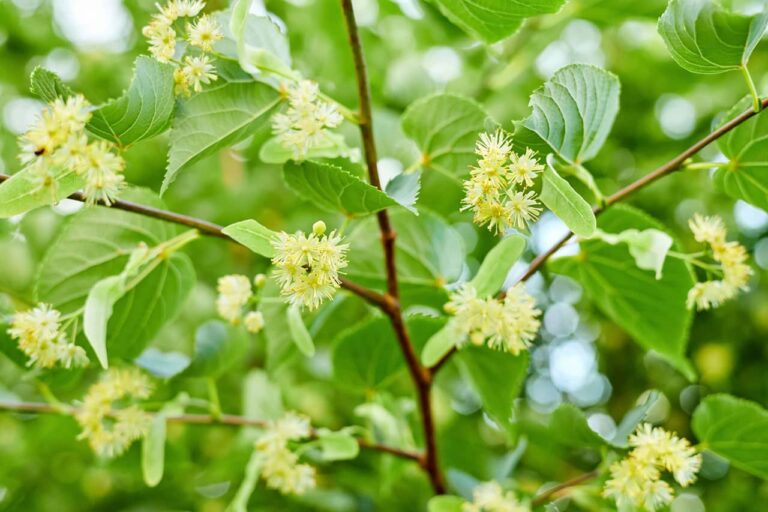
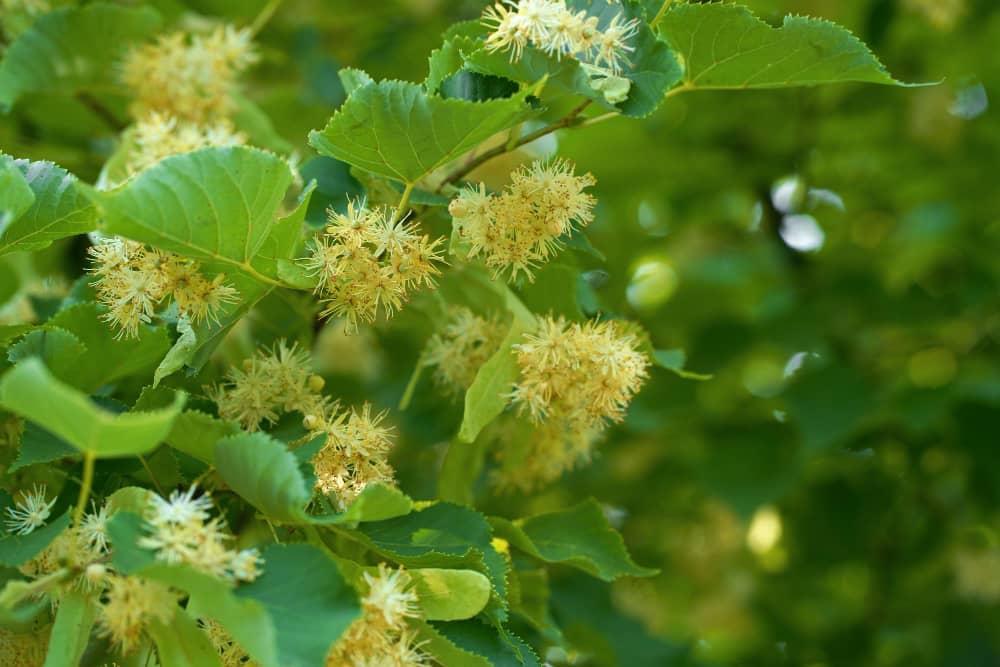
Linden, also known as lime tree or basswood, refers to a group of trees in the Tilia genus. These beautiful deciduous trees are native to parts of Europe, North America, and Asia and are easily recognized by their heart-shaped leaves and fragrant yellow-white flowers.

For centuries, linden trees have been valued not only for their beauty but also for their traditional culinary and herbal uses. During the summer months, the trees produce clusters of sweet-smelling blossoms that attract bees and are commonly harvested for herbal teas.

There are around 30 species of linden trees, many of which can grow between 50 and 80 feet tall. The flowers, leaves, and sometimes the bark have been used in traditional herbal practices throughout history. Today, dried linden flowers are most commonly used to make linden tea, a caffeine-free herbal infusion known for its delicate floral flavor and soothing aroma.

Learning more about the linden tree helps explain why this herbal tea has remained popular in traditional wellness practices for generations.

Because of its pleasant taste and long history of use, linden tea remains a popular herbal beverage enjoyed around the world.

Linden Tea Benefits

Linden Tea Benefits

Linden tea has been enjoyed for generations for its delicate floral flavor, soothing aroma, and traditional wellness uses. Made from the flowers of the linden tree, this caffeine-free herbal tea is often consumed as a relaxing beverage that can be enjoyed throughout the day.

While research on linden tea is still ongoing, it has long been associated with relaxation, sleep support, and overall well-being. Below are some of the most commonly discussed linden tea benefits.

May Help Support Healthy Blood Pressure

Linden tea has traditionally been used as a calming herbal beverage, and some research suggests that certain plant compounds found in linden flowers may support cardiovascular health. Because stress can sometimes contribute to temporary increases in blood pressure, the relaxing qualities of linden tea may indirectly support overall heart wellness.

However, linden tea should not be considered a treatment for high blood pressure, and anyone with cardiovascular concerns should consult a healthcare professional before using herbal remedies.

May Help Reduce Stress And Anxiety

One of the most popular linden tea benefits is its potential calming effect. Many people enjoy a warm cup of linden tea when they want to unwind after a busy day or create a relaxing evening routine.

Its pleasant aroma and naturally caffeine-free nature make it a comforting choice for those looking to reduce daily stress and promote a sense of calm. While individual experiences vary, linden tea has long been used in traditional herbal practices as a relaxation tea.

May Support Better Sleep

Linden tea is often consumed before bedtime because of its soothing qualities. Many herbal tea enthusiasts include it in their nighttime routine as a way to relax and prepare for sleep.

Because it contains no caffeine, linden tea can be a suitable alternative to coffee, black tea, or energy drinks in the evening. While it is not a cure for insomnia, enjoying a warm cup before bed may help create a calming environment that supports healthy sleep habits and a more restful night.

Among the most popular linden tea benefits is its potential to promote relaxation. Many people enjoy a warm cup in the evening as part of a calming bedtime routine.

Similar to Chamomile Tea Benefits, linden tea is often enjoyed as part of a relaxing evening routine.

Linden tea May Help Reduce Pain and Inflammation

May Help Reduce Pain And Inflammation

Another commonly discussed benefit of linden tea is its potential to support the body’s natural response to inflammation. Linden flowers contain plant compounds and antioxidants that have attracted interest for their possible wellness-supporting properties.

For centuries, linden tea has been used in traditional herbal practices as a comforting beverage when experiencing minor aches and discomfort. While scientific research is still ongoing, many people enjoy linden tea as part of a balanced lifestyle focused on overall well-being.

Its warm, soothing nature and antioxidant content make it a popular herbal tea choice for those seeking natural ways to support everyday health. However, linden tea should not be considered a replacement for professional medical treatment or prescribed medications.

May Help During Cold Season

A warm cup of linden tea can be especially comforting during the colder months of the year. The soothing steam and pleasant floral aroma may help provide temporary comfort for the throat and promote a feeling of warmth when you’re under the weather.

Many people enjoy linden tea alongside rest, proper hydration, and a balanced diet during cold season. Although it is not intended to treat or cure illness, it remains a popular traditional herbal tea during periods of seasonal discomfort.

If you enjoy traditional herbal teas, you may also want to read our guide to Mursal Tea Benefits, one of the most popular mountain teas in the Balkans.

May Support Digestion

Digestive comfort is another one of the commonly discussed linden tea benefits. For generations, linden tea has been enjoyed after meals as a soothing herbal beverage. Many people find that warm herbal teas can help promote comfort and relaxation following heavy or rich meals.Many people find that warm herbal teas can help promote comfort and relaxation following heavy or rich meals.

Its gentle nature and pleasant flavor make it a popular choice for those looking to support overall digestive wellness. While more scientific research is needed, linden tea continues to be used in many cultures as part of a healthy digestive routine.

Greek Mountain Tea Benefits is another helpful guide if you’re interested in traditional herbal infusions from Southeastern Europe.

May Have Mild Diuretic Effects

Linden tea has traditionally been associated with mild diuretic properties, meaning it may encourage the body to eliminate excess fluids through increased urination. Because of this, some people choose to drink linden tea as part of their general wellness routine.

As with any beverage that may influence fluid balance, it is important to stay properly hydrated throughout the day. Drinking linden tea in moderation is generally recommended as part of a balanced and healthy lifestyle.

How To Make Linden Tea

Making linden tea at home is simple and requires only a few ingredients. The result is a light, floral herbal infusion that can be enjoyed hot or cold.

Ingredients

  • 1 to 2 teaspoons dried linden flowers
  • 1 cup hot water
  • Honey or lemon (optional)

Instructions

  1. Place the dried linden flowers in a tea infuser or directly into a cup.
  2. Pour hot water over the flowers.
  3. Cover and let steep for 5 to 10 minutes.
  4. Strain if necessary.
  5. Add honey or lemon if desired and enjoy.

For a stronger flavor, allow the tea to steep a few minutes longer. You can also prepare a larger batch and chill it for a refreshing iced herbal tea. Many people drink linden tea regularly to enjoy its flavor and explore the potential linden tea benefits associated with this traditional herbal infusion.

When To Drink Linden Tea

Linden tea can be enjoyed throughout the day, but certain times may be especially beneficial depending on your goals. Depending on your goals, certain linden tea benefits may be especially appealing at different times of the day.

In The Evening

Many people prefer drinking linden tea in the evening because of its calming qualities. A warm cup can be a relaxing addition to a nighttime routine.

Before Bed

Since linden tea is naturally caffeine-free, it is often enjoyed before bedtime as a soothing herbal beverage that may help support healthy sleep habits.

After Meals

Some people drink linden tea after meals as part of their digestive wellness routine. Its gentle flavor makes it a pleasant choice following lunch or dinner.

During Cold Weather

A warm cup of linden tea can be especially comforting during colder months. The floral aroma and warmth make it a popular seasonal beverage.

Any Time You Want A Caffeine-Free Drink

Linden tea is an excellent alternative to coffee, black tea, or other caffeinated beverages. It can be enjoyed any time you want a flavorful herbal tea without the stimulating effects of caffeine.

Linden Tea Side Effects And Precautions

Linden tea is generally considered safe for most healthy adults when consumed in moderation. However, as with any herbal tea, there are a few precautions to keep in mind.

Possible Allergic Reactions

Individuals who are sensitive to pollen or plants related to the linden tree may experience allergic reactions. Symptoms can include itching, skin irritation, or other allergy-related discomfort. If you notice any unusual reactions after drinking linden tea, discontinue use and seek medical advice.

Pregnancy And Breastfeeding

There is limited research regarding the safety of linden tea during pregnancy and breastfeeding. As a precaution, pregnant or nursing individuals should consult a healthcare professional before consuming linden tea regularly.

Heart Conditions

People with existing heart conditions should speak with their healthcare provider before adding linden tea to their routine. While linden tea has traditionally been used for wellness purposes, professional medical guidance is always recommended when managing cardiovascular health.

Medication Interactions

Because herbal teas can sometimes interact with medications, individuals taking prescription drugs—especially those related to blood pressure, sleep, or fluid balance—should consult their healthcare provider before consuming linden tea regularly.

For additional information about herbal supplements and natural health products, visit the National Center for Complementary and Integrative Health (NCCIH).

Enjoy In Moderation

Like most herbal beverages, linden tea is best enjoyed as part of a balanced lifestyle. Moderate consumption is generally recommended to help minimize the risk of unwanted side effects.

To learn more about the history of natural remedies in the region, explore our guide to Bulgarian Herbal Medicine Traditions.

Frequently Asked Questions

Does linden tea contain caffeine?

No. Linden tea is naturally caffeine-free, making it a popular choice for those looking for a relaxing herbal beverage during the evening or before bedtime.

What does linden tea taste like?

Linden tea has a light, floral flavor with subtle natural sweetness. Many people describe it as smooth, delicate, and soothing.

Can I drink linden tea every day?

Most healthy adults can enjoy linden tea in moderation as part of a balanced diet. If you have a medical condition or take prescription medications, consult your healthcare provider before making it a daily habit.

Is linden tea good before bed?

Many people enjoy linden tea before bed because it is naturally caffeine-free and traditionally associated with relaxation. In fact, sleep support is often considered one of the most popular linden tea benefits.

Can linden tea be served cold?

Yes. Linden tea can be enjoyed hot or cold. Simply brew the tea, allow it to cool, and refrigerate for a refreshing iced herbal drink.

Final Thoughts On Linden Tea Benefits

The many linden tea benefits have helped make this gentle herbal infusion a favorite for generations. With its delicate floral flavor, soothing aroma, and caffeine-free nature, linden tea offers a relaxing way to support your daily wellness routine.

Whether you’re looking for a calming evening beverage, a comforting tea during cold weather, or simply a flavorful herbal alternative to caffeinated drinks, linden tea is worth exploring. Its potential benefits for relaxation, sleep support, digestion, and overall well-being continue to make it one of the most popular herbal teas around the world.

From relaxation and sleep support to digestive wellness and antioxidant content, the many linden tea benefits continue to make this herbal infusion a favorite among tea enthusiasts around the world.

While linden tea should not replace professional medical advice or treatment, it can be a pleasant addition to a balanced lifestyle. Brew a warm cup, sit back, and enjoy the comforting experience that has made linden tea a beloved herbal remedy for centuries.

10 Simple Tips for Maintaining Your Gardening Tools

0

Regularly maintaining your gardening tools is one of the simplest ways to improve your gardening experience. Clean, sharp, and well-cared-for tools not only last longer but also perform better when digging, pruning, planting, weeding, and transplanting. A few minutes of maintenance after each gardening session can save money, reduce frustration, and help keep your garden looking its best.

Whether you are a beginner gardener tending a few containers or an experienced grower managing a large landscape, your tools are among your most valuable gardening assets. Shovels, pruners, trowels, hoes, garden forks, and watering equipment all work hard throughout the growing season. Without proper care, however, these tools can become rusty, dull, damaged, and less effective over time.

Many gardeners focus heavily on caring for their plants while overlooking the maintenance of the equipment they use every day. Neglected tools can make gardening tasks more difficult, increase the risk of plant damage, and even create safety hazards. Fortunately, keeping gardening tools in excellent condition does not require much time or effort.

Sustainable gardening practices can also help reduce maintenance while creating a healthier growing environment for plants and beneficial wildlife.

In this guide, you’ll discover simple and practical tips for maintaining your gardening tools, including proper cleaning, sharpening, lubrication, storage, rust prevention, and seasonal care. By following these maintenance practices, you can extend the lifespan of your tools and ensure they remain reliable year after year.

Over the years, I’ve learned that a few minutes spent maintaining gardening tools after each gardening session can save hours of frustration later. Properly cleaned and sharpened tools perform better, last longer, and make gardening considerably more enjoyable.

Tips for Maintaining Your Gardening Tools

Proper gardening tool maintenance helps keep your equipment safe, effective, and ready for use whenever you need it. Well-maintained tools make gardening tasks easier, improve efficiency, and can significantly extend the lifespan of your investment. From hand trowels and pruners to shovels and garden forks, every tool benefits from regular care and attention.

The good news is that maintaining your gardening tools doesn’t require a lot of time or specialized equipment. Simple habits such as cleaning tools after use, storing them properly, sharpening blades, lubricating moving parts, and protecting metal surfaces from rust can make a noticeable difference. Regular inspections can also help identify minor issues before they become costly repairs or replacements.

The following gardening tool maintenance tips will help keep your tools in excellent condition throughout the growing season and for many years to come.

Tips for Maintaining Your Gardening Tools

Tip 1: Clean Your Tools after Every Use

One of the simplest yet most effective ways to maintain your gardening tools is to clean them after every use. Soil, plant sap, moisture, and organic debris can quickly build up on tools, reducing their effectiveness and increasing the risk of rust, corrosion, and the spread of plant diseases. Spending a few minutes cleaning your tools after gardening can significantly extend their lifespan.

Begin by removing any loose dirt or debris from the tool. A stiff brush works well for cleaning shovels, trowels, hoes, and garden forks, while pruners and cutting tools may require a cloth to remove sap and plant residue. For most tools, a mild mixture of soap and water is sufficient to remove dirt and grime. Heavily soiled tools may require additional scrubbing to restore them to good condition.

After cleaning, rinse the tools thoroughly with clean water and dry them completely with a soft cloth. Moisture left on metal surfaces can lead to rust formation, especially during humid weather or when tools are stored for long periods. Pay particular attention to joints, hinges, and wooden handles where moisture can accumulate.

For cutting tools such as pruners, loppers, and hedge shears, consider disinfecting the blades occasionally, especially after working with diseased plants. A simple disinfectant solution can help prevent the spread of plant diseases throughout your garden.

Clean tools are especially important when growing edible herbs and tea plants because they help reduce the spread of diseases between plants.

Once your tools are clean and dry, store them in a cool, dry location. Proper storage combined with regular cleaning helps keep gardening tools in excellent condition, improves their performance, and reduces the need for costly replacements.

Making tool cleaning part of your gardening routine is one of the easiest ways to protect your investment and ensure your equipment remains ready for every gardening task.

Tip 2: Properly Store Your Tools

It is essential to store your gardening tools properly to ensure they are in the best condition for years to come. Improper storage can cause your tools to rust, warp, break, and damage beyond repair. To avoid these consequences, here are a few tips to ensure your tools are properly stored.

The first thing to consider is storage conditions. For optimal storage, keeping your tools in a dry area away from any moisture is best. This means keeping your tools in a shed, garage, shelves, or other dry storage space. Avoid leaving them outside, as the elements can easily damage them. Also, be sure to keep your tools away from outdoor pests like rodents, which can cause significant damage to your tools.

The next tip is to ensure your tools are properly stored and not just thrown together in a pile. This will help ensure that the tools are organized, easily accessible, and stored in a manner that preserves their condition. Investing in a tool rack or toolbox to store your tools is a great way of doing this. This will help you keep them neatly organized and easily find when needed.

When storing your tools in a toolbox, place them in the correct compartments. This will help keep them safe and prevent them from becoming jumbled up. You should also ensure the toolbox is secure and tightly sealed to avoid moisture from getting in and potentially causing rusting or warping.

In addition, if you are storing tools in a shed or garage, you should ensure they are off the ground. This will help protect them from any moisture that may come into contact with them. You should also ensure the area is well-ventilated to prevent the tools from being damaged due to lack of air circulation.

Finally, it is essential to ensure that your tools are stored away from any heat sources. This will help prevent the tools from warping or damaging due to extreme temperatures. Ensure they are stored in an area that is no hotter than room temperature.

By following these simple tips, you can ensure that your gardening tools are properly stored and in the best condition for years. With proper storage, you can rest assured that your tools will be in top shape whenever needed.

Tip 3: Sharpen Your Tools Regularly

Keeping your gardening tools sharp is one of the most important aspects of proper tool maintenance. Sharp tools make gardening tasks easier, require less effort, and produce cleaner cuts that are healthier for plants. Whether you’re pruning shrubs, trimming branches, edging garden beds, or cutting through roots, a sharp blade improves both efficiency and precision.

Over time, regular use causes tool edges to become dull. Dull blades can crush plant stems instead of cutting them cleanly, potentially making plants more vulnerable to disease and pest problems. They also require more force to use, which can lead to fatigue and increase the risk of accidents.

Several gardening tools benefit from regular sharpening, including pruners, loppers, hedge shears, hoes, shovels, spades, and garden knives. The frequency of sharpening depends on how often the tools are used, but most gardeners find that sharpening cutting tools once or twice per growing season helps maintain peak performance.

To sharpen your tools, you can use a sharpening stone, metal file, diamond sharpener, or specialized sharpening tool designed for gardening equipment. Follow the original angle of the blade and work slowly to avoid removing too much metal. After sharpening, wipe the blade clean and apply a light coat of oil to help prevent rust and corrosion.

While sharpening, take the opportunity to inspect your tools for damage, excessive wear, or loose components. This simple maintenance routine not only improves performance but can also extend the lifespan of your gardening equipment for many years.

Regular sharpening keeps your tools working efficiently, protects your plants from unnecessary damage, and makes every gardening task more enjoyable and productive.

Inspect Your gardening Tools Before Use

Tip 4: Inspect Your Tools Before Use

One of the easiest ways to prevent accidents and extend the lifespan of your gardening tools is to inspect them before each use. A quick inspection only takes a few minutes but can help identify problems before they become safety hazards or lead to costly replacements.

Start by examining the metal components of your tools. Look for cracks, chips, bends, or signs of excessive wear that could affect performance. Even small defects can worsen over time, especially when tools are used for demanding gardening tasks. If you discover significant damage, repair or replace the tool before using it.

Next, check for rust, corrosion, or pitting on blades and metal surfaces. Rust can weaken tools and reduce their effectiveness. Remove any rust as soon as possible and apply a light coat of oil to help protect the metal from further deterioration.

Pay close attention to handles, grips, and connection points. Wooden handles should be free of cracks, splinters, or loose sections, while fiberglass and metal handles should be checked for structural damage. Tighten any loose bolts, screws, or fasteners to ensure the tool remains stable during use.

For cutting tools such as pruners, loppers, and hedge shears, inspect the blades for sharpness and proper alignment. Dull or misaligned blades can damage plants and require more effort to use. Sharpen or adjust them as needed to maintain clean and efficient cuts.

Making tool inspections part of your regular gardening routine can improve safety, enhance performance, and help your equipment last much longer. Catching small problems early is often far easier and less expensive than dealing with major repairs or replacing damaged tools later.

Tip 5: Handle Your Tools with Care

Properly handling your gardening tools is just as important as cleaning and maintaining them. Even high-quality tools can become damaged prematurely if they are used incorrectly or handled carelessly. Developing good habits when using, carrying, and storing your tools can help extend their lifespan while improving safety in the garden.

Always use the appropriate tool for the task at hand. Trying to use a hand trowel for heavy digging or using pruners to cut branches that are too thick can strain the tool and cause unnecessary damage. Using the right tool not only makes the job easier but also helps prevent breakage and excessive wear.

Pay attention to how you use your tools during gardening tasks. Avoid twisting, prying, or forcing tools beyond their intended purpose. Excessive force can bend metal components, loosen handles, and reduce the overall effectiveness of the tool. For cutting tools such as pruners, loppers, and hedge shears, allow the sharp blades to do the work rather than applying excessive pressure.

When transporting tools around the garden, carry them carefully and keep sharp edges pointed away from your body. Larger tools should be carried securely using both hands when necessary. Never leave tools lying on walkways, lawns, or garden paths where they can create tripping hazards or become damaged.

Proper storage is also part of handling your tools with care. After use, return tools to a designated storage area where they will remain clean, dry, and protected from the elements. Hanging tools on racks or organizing them in a storage shed helps prevent accidental damage and keeps them readily accessible.

By treating your gardening tools with care and respect, you can reduce wear and tear, improve safety, and ensure that your equipment remains reliable for many growing seasons to come.

Use the Right garden Tools for the Right Task

Tip 6: Use the Right Tools for the Right Task

It is essential to use the right tools for the right tasks when it comes to gardening. Not only will this make the task more accessible and more efficient, but it will also ensure the longevity of your tools. Understanding what each tool is intended for and how to use it properly is essential.

The most common tools for gardening are shovels, spades, trowels, pruners, rakes, hoes, and hand cultivators. Each of these tools has a specific purpose and should be used accordingly. A shovel can dig a hole or move dirt and soil, but it should not be used for finer tasks such as weeding or pruning. On the other hand, a trowel is perfect for smaller jobs such as planting seeds or weeding, but it is not intended for digging larger holes or moving soil.

Similarly, pruners are intended for trimming and cutting, while hoes are better suited for weeding and digging around plants and small roots. Rakes are best for raking up leaves and debris, while hand cultivators are used for loosening and aerating soil.

When selecting the appropriate tool for a job, it is important to consider the size and weight of the tool. If you are dealing with a small area, you will likely want to opt for a lighter, smaller tool. You should also consider the type of soil you are dealing with; a heavier tool may be needed for harder soils, while a lighter tool may be preferred for softer, looser soils.

Finally, inspecting your tools before applying them to a job would be best. Ensure they are in good condition and that the metal has no nicks or breaks. If you find any damage, it is important to repair or replace the tool before using it.

Using the right tools for the right task is essential to maintaining your gardening tools. Not only will it make the job easier, but it will also help to extend the life of your tools. With the right tools and the proper maintenance, you can enjoy your gardening projects for years.

Tip 7: Lubricate Your Tools

When it comes to maintaining your gardening tools, lubrication plays an important role. Without proper lubrication, your tools will eventually become difficult to use and break down due to wear and tear. For this reason, it is essential to regularly lubricate your tools to ensure that they stay in working condition.

The first step in adequately lubricating your tools is to identify the type of lubricant best suited for the job. For general upkeep, a lightweight oil or grease is usually recommended. It is essential not to use too much lubricant, which can create a mess. Instead, use just enough lubricant to create a thin, protective coating on the tool. If you use a liquid lubricant, wipe off any excess with a clean cloth.

Once you have identified the proper lubricant for the job, it is essential to make sure that you apply it to all of the moving parts on the tool. This includes any screws, nuts, bolts, and other components that move or are exposed to friction. Be sure to pay extra attention to the joints, as this is where most of the wear and tear will occur.

When lubricating your tools, it is also essential to inspect them for any signs of wear and tear. If you find any, be sure to address them promptly. While lubrication can help reduce the amount of wear and tear, it cannot fix any underlying damage that may have already occurred.

Finally, it is essential to note that different tools require different types of lubricants. For example, electric tools typically require a particular type of lubricant, while hand tools may require a different type. Read the product instructions to ensure you use the correct lubricant for the job.

By following these tips, you can ensure that your gardening tools stay in good working condition and last for years. Proper lubrication is essential for proper maintenance, so regularly lubricate your tools to keep them in peak condition.

Tip 8: Protect Your Tools from Rust

Rust is one of the biggest threats to the lifespan of gardening tools. Even high-quality tools can develop rust when exposed to moisture, humidity, and changing weather conditions. If left untreated, rust can weaken metal components, reduce performance, and eventually make tools unsafe or unusable.

The best defense against rust is keeping your gardening tools clean and dry. After each use, remove any soil, plant residue, or moisture from the tool before putting it away. Wet soil often contains minerals and organic matter that can accelerate corrosion when left on metal surfaces.

Proper storage is equally important. Store gardening tools in a dry, well-ventilated location such as a garage, shed, or basement. Avoid leaving tools outdoors where they are exposed to rain, dew, and fluctuating temperatures. Hanging tools on wall racks can also help improve air circulation and reduce moisture buildup.

Regular inspections can help you catch rust before it becomes a serious problem. If you notice small rust spots, remove them promptly using a wire brush, steel wool, or a rust-removal solution. Treating rust early is much easier than repairing extensive corrosion later.

Applying a protective coating can provide an additional layer of defense. Many gardeners use light machine oil, mineral oil, or specialized tool lubricants to coat metal surfaces. This creates a barrier that helps repel moisture and reduce the risk of rust formation.

When purchasing new gardening tools, consider choosing models made from rust-resistant materials such as stainless steel. While no tool is completely immune to corrosion, rust-resistant materials generally require less maintenance and often last longer.

By keeping your tools clean, dry, properly stored, and protected, you can greatly reduce rust problems and ensure your gardening equipment remains reliable for many growing seasons.

Replacing your gardening tools as needed

Tip 9: Replace Your Tools as Needed

Replacing your gardening tools as needed is an essential part of maintaining them. Old, worn-out tools can be more dangerous to use and can cause damage to your plants and garden beds. It’s important to know when to replace a tool and how to identify when it’s time to replace a tool.

One of the most obvious signs that you need to replace your tool is when the tool is no longer working as it should. If the tool is no longer cutting, digging, or doing its job correctly, it’s time to replace it. It may also be time to replace a tool if it’s rusting or showing signs of significant wear and tear.

Another sign that you may need to replace your tool is the age of the tool itself. Over time, tools can become less efficient and reliable, so it’s essential to check the age of your tools occasionally. If the tool is over a few years old, it may be time to replace it with a newer, more reliable model.

You should also check your tools for any parts that may be worn or missing. If you notice that any parts are worn or missing, then it’s time to replace the tool. Worn or missing parts can cause the tool to become less efficient and reliable and lead to unsafe use.

It’s also important to pay attention to the weight and balance of your tools. Over time, tools can become less comfortable and less efficient due to changes in weight and balance. If you notice that your tools are becoming more cumbersome or awkward to use, then it’s likely time to replace them.

Finally, if you notice any cracks or splits in the tool, it’s time to replace it. Cracks and splits can cause the tool to become less reliable and can even lead to accidents. You must check your tools regularly for any signs of cracking or splitting.

In summary, it’s essential to replace your gardening tools as needed. Old, worn-out tools can be more dangerous to use and can cause damage to your plants and garden beds. You should check for any missing or worn parts, pay attention to the weight and balance of your tools, and inspect your tools regularly for any signs of cracking or splitting. Doing so will help ensure you use the best tools for the job.

Tip 10: Use Protective Gear

While maintaining your gardening tools is important, protecting yourself while using them is equally essential. Gardening often involves sharp blades, heavy equipment, flying debris, and prolonged exposure to the elements. Wearing the proper protective gear can help prevent injuries and make gardening more comfortable and enjoyable.

One of the most important pieces of protective equipment is a good pair of gardening gloves. Gloves help protect your hands from cuts, blisters, splinters, thorns, and dirt while also providing a better grip on tools. They can be especially useful when pruning plants, handling rough materials, or working with soil.

Safety glasses or protective eyewear are highly recommended when using cutting tools, trimming shrubs, or performing tasks that may produce flying debris. Even small particles of soil, wood, or plant material can cause serious eye injuries if proper protection is not worn.

Appropriate clothing can also improve safety. Long-sleeved shirts and long pants help protect your skin from scratches, insect bites, sun exposure, and contact with irritating plants. Choosing lightweight, breathable fabrics can provide protection while remaining comfortable during warm weather.

Footwear is another important consideration. Closed-toe shoes or sturdy gardening boots help protect your feet from sharp tools, falling objects, uneven terrain, and accidental slips. Avoid gardening in sandals or open-toed footwear whenever possible.

On sunny days, a wide-brimmed hat and sunscreen can help protect against prolonged sun exposure. Staying hydrated and taking breaks during hot weather can also help prevent heat-related illnesses while working in the garden.

Using the proper protective gear allows you to garden more safely and confidently while reducing the risk of common gardening injuries. Combined with well-maintained tools, good safety practices help create a more enjoyable and productive gardening experience.

Maintenance Requirements By Tool Type

Different gardening tools require different types of maintenance to keep them performing at their best. Understanding the specific care needs of each tool can help extend its lifespan and improve efficiency in the garden.

Tool TypeRecommended Maintenance
Pruners & SecateursClean after use, sharpen regularly, lubricate pivot points
LoppersRemove sap buildup, sharpen blades, tighten bolts
Hedge ShearsClean blades, sharpen edges, oil moving parts
Shovels & SpadesRemove soil, sharpen edges occasionally, oil metal surfaces
Garden ForksClean tines thoroughly, inspect for bends or cracks
Hoes & CultivatorsSharpen cutting edges and remove soil after use
TrowelsClean and dry after every gardening session
Watering CansRinse regularly and remove mineral deposits
Garden HosesDrain before storage and inspect for leaks
WheelbarrowsClean thoroughly and lubricate wheel bearings

By matching maintenance practices to each tool type, you can maximize performance and reduce unnecessary wear.

How To Remove Rust From Gardening Tools

Rust is one of the most common problems gardeners encounter when caring for metal tools. Fortunately, minor rust can often be removed quickly using simple household materials.

Step 1: Remove Loose Dirt

Use a stiff brush to remove dirt, mud, and debris from the tool before treating the rust.

Step 2: Soak The Tool

Place the rusted portion of the tool in white vinegar for several hours or overnight. The vinegar helps loosen rust buildup from the metal surface.

Step 3: Scrub Away Rust

After soaking, use steel wool, a wire brush, or coarse sandpaper to scrub away the loosened rust.

Step 4: Rinse And Dry

Rinse the tool thoroughly with clean water and dry it completely using a clean cloth. Any remaining moisture can cause rust to return.

Step 5: Apply Protective Oil

Finish by applying a light coat of machine oil, mineral oil, or tool lubricant to protect the metal and help prevent future rust formation.

Checking tools regularly for rust and treating it early can help preserve their strength, appearance, and performance.

Caring For Wooden Tool Handles

Many gardening tools feature wooden handles that require occasional maintenance to remain comfortable, safe, and durable. Without proper care, wooden handles can dry out, crack, splinter, or weaken over time.

Start by cleaning handles periodically to remove dirt, moisture, and debris. If rough spots or splinters develop, lightly sand the surface with fine-grit sandpaper until smooth.

Applying boiled linseed oil once or twice each year can help nourish the wood and prevent it from drying out. Simply apply a small amount with a clean cloth, allow it to soak into the wood, and wipe away any excess oil.

Inspect handles regularly for cracks, splits, or loose fittings. Damaged handles should be repaired or replaced promptly to reduce the risk of accidents while gardening.

Properly maintained wooden handles provide a comfortable grip, improve safety, and can significantly extend the life of your gardening tools.

Seasonal Gardening Tool Maintenance Checklist

Creating a seasonal maintenance routine helps ensure your gardening tools remain in excellent condition throughout the year. Regular inspections and maintenance can prevent costly repairs and keep your tools ready whenever gardening tasks arise.

Spring

Before the growing season begins:

  • Inspect all tools for winter damage.
  • Sharpen pruners, loppers, and other cutting tools.
  • Tighten loose bolts, screws, and fasteners.
  • Lubricate moving parts.
  • Replace broken handles or damaged components.

Summer

During peak gardening season:

  • Clean tools regularly to remove soil and plant residue.
  • Monitor tools for rust and corrosion.
  • Check cutting tools for sharpness.
  • Store tools in a shaded, dry location after use.
  • Replace worn grips if necessary.

Many gardeners use this period to maintain herb gardens that provide fresh ingredients for homemade teas.

Fall

As gardening activities slow down:

  • Deep clean all gardening equipment.
  • Remove rust and sharpen blades.
  • Apply protective oil to metal surfaces.
  • Inspect handles for cracks or splinters.
  • Repair or replace damaged tools before storage.

Winter

During the off-season:

  • Store tools indoors whenever possible.
  • Organize sheds, garages, or storage areas.
  • Oil wooden handles to prevent drying and cracking.
  • Review which tools may need replacement next season.
  • Prepare equipment for spring gardening tasks.

Following a seasonal maintenance schedule can significantly extend the lifespan of your gardening tools and improve their overall performance.

Common Gardening Tool Maintenance Mistakes

Even experienced gardeners sometimes make maintenance mistakes that shorten the lifespan of their tools. Avoiding these common errors can help keep your equipment in top condition.

Leaving Tools Outdoors

Exposure to rain, humidity, and sunlight can quickly cause rust, fading, and deterioration.

Storing Wet Tools

Moisture left on tools can lead to rust and corrosion, especially on metal surfaces and moving parts.

Neglecting Sharpening

Dull blades require more effort to use and can damage plants by creating rough cuts.

Ignoring Small Rust Spots

Minor rust can spread quickly if left untreated, eventually weakening the tool.

Using The Wrong Tool For The Job

Using tools beyond their intended purpose can bend, crack, or permanently damage them.

Skipping Lubrication

Moving parts such as hinges and pivot points require occasional lubrication to operate smoothly.

Failing To Inspect Tools Regularly

Small problems are often easier and less expensive to fix before they become major issues.

By avoiding these common mistakes, you can improve safety, reduce replacement costs, and keep your gardening tools functioning efficiently for many years.

Frequently Asked Questions

How often should gardening tools be cleaned?

Gardening tools should ideally be cleaned after every use. Regular cleaning helps prevent rust, removes plant residue, and reduces the spread of plant diseases.

How often should I sharpen gardening tools?

Most cutting tools benefit from sharpening at least once or twice during the growing season. Tools used frequently may require more frequent sharpening.

What is the best oil for gardening tools?

Light machine oil, mineral oil, and specialized tool lubricants are commonly used to protect metal surfaces and lubricate moving parts.

Can rusted gardening tools be restored?

Yes. Minor rust can often be removed using white vinegar, steel wool, a wire brush, or commercial rust-removal products.

How should gardening tools be stored?

Store gardening tools in a clean, dry, well-ventilated location such as a shed, garage, or basement. Hanging tools on racks helps prevent damage and improves organization.

When should gardening tools be replaced?

Tools should be replaced when they develop severe rust, cracked handles, broken components, or structural damage that affects safety and performance.

Are expensive gardening tools worth it?

Higher-quality gardening tools are often made from stronger materials and can last significantly longer when properly maintained, making them a worthwhile investment for many gardeners.

Final Thoughts On Maintaining Your Gardening Tools

Properly maintaining your gardening tools is one of the best investments you can make as a gardener. Clean, sharp, and well-cared-for tools not only perform better but also last significantly longer, helping you save money while making gardening tasks easier and more enjoyable.

By developing simple maintenance habits such as cleaning tools after each use, storing them properly, sharpening blades regularly, lubricating moving parts, inspecting equipment for damage, and protecting metal surfaces from rust, you can keep your gardening tools in excellent condition throughout the year. These small efforts can greatly improve efficiency and reduce the likelihood of unexpected repairs or replacements.

Remember that gardening tools are essential partners in every successful garden. Whether you’re planting flowers, growing vegetables, pruning shrubs, or maintaining landscaping, properly maintained tools help you work more safely and effectively.

With regular care and attention, your gardening tools can remain reliable for many years, allowing you to spend less time dealing with equipment problems and more time enjoying a healthy, productive, and beautiful garden.

Top 10 Native Wildflowers of Bulgaria

0

From the rugged mountain ranges of Rila and Pirin to the picturesque meadows of the Danube Plain, the native wildflowers of Bulgaria offer a captivating sight for nature enthusiasts and botanists alike. In this article, we will explore some of the most notable native wildflowers in Bulgaria, delving into their unique characteristics, ecological significance, and cultural importance.

Bulgaria is a country boasting incredibly diverse and breathtaking natural landscapes. Bulgaria is home to various flora and fauna from the Black Sea to the Rhodope Mountains. Among the most stunning and diverse of its floral population are wildflowers. These native wildflowers offer vibrant colors, fragrances, and textures to its natural landscapes while providing numerous benefits to its environment and economy.

Wildflowers are integral parts of Bulgaria’s ecosystems. They serve as vital components of the country’s biodiversity, providing sustenance to its resident species of birds, bees, and other wildlife. Wildflowers also offer Bulgaria’s countless parks, meadows, and forests a unique aesthetic. With so many varieties of wildflowers, it can be challenging to determine which are native to Bulgaria.

The most common native wildflowers in Bulgaria include Poppy, Common Daisy, Daisy Anemone, Grape Hyacinth, Harebell, Meadow Buttercup, Red Campion, Primrose, Great Burnet, and Wild Yellow Iris. These wildflowers bring unique beauty to the country’s natural landscapes while providing numerous economic, environmental, and social benefits.

Let’s take an overview of wildflowers in Bulgaria, an in-depth look at the top 10 native wildflowers, and discuss the cultivation and benefits of wildflowers. We’ll also discuss the best practices for cultivating wildflowers and potential challenges to consider. Lastly, we’ll summarize the benefits of wildflowers and suggest ways to learn more about these unique plants.

Native Wildflowers of Bulgaria

Top 10 Native Wildflowers of Bulgaria

Bulgaria is home to a wide variety of native wildflowers, many renowned for their beauty and fragility. Here, we’ll look at 10 of the most common wildflowers that can be found growing throughout the country.

Poppy: The bright red poppy is one of Bulgaria’s most commonly found wildflowers. It’s a flowering plant that belongs to the Papaveraceae family and is often used as a symbol of remembrance and courage.

Common Daisy: Native to Bulgaria, the common daisy is a vibrant, white-petaled flower that can be found growing throughout the country. It’s a beautiful addition to any garden and is often used as a remedy for various ailments.

Daisy Anemone: This delicate flower is typically found in open meadows and grasslands throughout Bulgaria. It’s a perennial wildflower that has a yellow center surrounded by white petals, and its stems are often used in floral arrangements.

Grape Hyacinth: Grape hyacinth is a bulbous, bell-shaped flower native to Bulgaria. It’s a unique flower with striking blue-purple petals that attract pollinating birds and insects.

Harebell: A perennial wildflower, the harebell has a unique bell-shaped flower and graceful foliage. It’s a popular wildflower in Bulgaria as it can survive in various conditions, from rocky terrain to open meadows.

Meadow Buttercup: This vibrant yellow flower is one of the most common wildflowers in Bulgaria. Its buttercup-shaped petals allow it to attract a variety of pollinators, and its fragrant aroma makes it a favorite among gardeners.

Red Campion: The red campion is a stunning wildflower with bright pink petals that bloom throughout the summer. It’s a popular flower in Bulgaria, as it can thrive in various conditions, from woodlands to meadows.

Primrose: A small, delicate wildflower, primrose is a common sight in Bulgaria. It has yellow petals surrounding a bright yellow center, and its sweet fragrance makes it a favorite among gardeners.

Great Burnet: A perennial wildflower, the great burnet is a striking flower with dark red petals and a bright yellow center. It’s a rare wildflower that grows in damp, marshy areas, and its unique beauty makes it a favorite among wildflower enthusiasts.

Wild Yellow Iris: The wild yellow iris is a stunning flower with large, yellow petals that grow in deep, wet soils. It’s a favorite among gardeners, as its vibrant yellow petals add color and beauty to any outdoor space.

These 10 native wildflowers of Bulgaria are just a few of the many varieties of wildflowers that can be found growing throughout the country. From poppies to wild yellow iris, these flowers attract pollinators and create a unique and vibrant landscape in Bulgaria.

wild flowers in Balkans

Cultivation of Wildflowers

Wildflowers are essential to Bulgaria’s landscape; cultivating them is vital to preserving the environment. Wildflowers are helpful in many ways, such as providing food for animals, adding color to the landscape, and providing essential habitat for wildlife species. Cultivating native wildflowers is a great way to promote biodiversity and can provide several economic, social, and environmental benefits.

When cultivating wildflowers, it is essential to understand the native species and ecosystems of Bulgaria. Wildflower populations can be affected by climate, soil type, and disturbance, so it is necessary to know the local conditions to cultivate wildflowers successfully. It is also essential to understand the wildflowers native to the area, as some species may be invasive and disrupt the local environment.

The best way to cultivate wildflowers is to create a healthy habitat for them to grow. This can be done by using grasses, shrubs, and trees that can provide essential food sources and habitats for animals and insects, shade, and protection from the elements. Additionally, it is necessary to maintain a healthy soil ecosystem, as wildflower seeds require certain levels of nutrients and moisture to germinate.

When cultivating wildflowers, it is important to use native species adapted to the local conditions and climate. This means picking species adapted to the local soil type, climate, and the amount of sunlight available in the area. It is also essential to use only native seeds, as non-native species can harm the local environment. Additionally, it is critical to avoid introducing non-native species, as they can disrupt the local ecosystem and displace native species.

Best practices for cultivating wildflowers include preparing the soil for planting, selecting the appropriate species for the area, and providing adequate water and nutrients to the plants. Additionally, it is important to avoid disturbing or damaging the habitat, as this can disrupt the local ecosystem.

Potential challenges to consider when cultivating wildflowers include the risk of introducing invasive species, pests, or diseases to damage the plants and overgrazing or overharvesting. Additionally, it is vital to be aware of local regulations, as some areas may restrict the cultivation of wildflowers.

By following best practices and considering potential challenges, wildflower cultivation can be successful and provide many benefits.

Benefits of Wildflowers

Benefits of Wildflowers

Native wildflowers can have various positive effects on the environment and people. In Bulgaria, these flowers can help to reduce pollution, encourage pollinator populations, and create a vibrant landscape for the locals to enjoy.

Environmental Benefits:

The presence of wildflowers in Bulgaria can help decrease pollution levels. They can absorb carbon dioxide, nitrate, and sulfur dioxide. They also help to filter out heavy metals and other toxic substances from the air, water, and soil. This can make the environment safer and healthier for both wildlife and humans.

Wildflowers can help improve the local ecosystem’s overall health and diversity. They create a habitat for insects, birds, and other wildlife. They can also help change the soil’s composition, preventing erosion and supporting healthy plant growth.

Economic Benefits:

Wildflowers can also have a positive effect on the economy. They can help to attract more tourists and create more jobs in the tourism sector. They can also provide an opportunity for locals to earn additional income by selling wildflower-related products, such as honey and herbal remedies.

Wildflowers can also provide essential resources to local industries. For example, poppies can be used to make edible oil or for decorative purposes. Daises and anemones can be used to make essential oils. These flowers can also be used to feed livestock or provide an additional source of income for farmers.

Social Benefits:

Native wildflowers can also positively impact the social life in Bulgaria. They can help to create a sense of community and bring people together. People can gather to admire and appreciate the beauty of the flowers and get to know their neighbors.

Wildflowers can also allow locals to learn more about their environment. By studying the wildlife and plants, people can better understand their surroundings. This can lead to increased appreciation and respect for nature.

In addition, wildflowers can provide a calming and therapeutic environment. They can help to reduce stress levels, promote relaxation, and improve overall mental health.

Overall, native wildflowers can have a positive impact on both the environment and people in Bulgaria. They can help to reduce pollution, provide essential resources, create a sense of community, and even promote mental health. They can also help create a vibrant, enjoyable, educational landscape for locals and tourists alike.

Native wildflowers are a vital part of Bulgaria’s landscape and natural heritage. This article has discussed the top 10 native wildflowers of Bulgaria, including poppies, daisies, daisy anemones, and more. Additionally, we’ve outlined the benefits of cultivating wildflowers, which include numerous environmental, economic, and social benefits. As we’ve seen, native wildflowers are essential in helping to maintain a healthy environment. There are several ways people can learn more about native wildflowers, such as visiting nearby botanical gardens and participating in educational programs. In conclusion, the importance of native wildflowers in Bulgaria cannot be overstated.

Conclusion

Native wildflowers are essential to Bulgaria’s biodiversity and benefit the environment, economy, and society. While there are many types of native wildflowers in Bulgaria, the Top 10 Native Wildflowers of Bulgaria are the Poppy, Common Daisy, Daisy Anemone, Grape Hyacinth, Harebell, Meadow Buttercup, Red Campion, Primrose, Great Burnet, and Wild Yellow Iris.

Cultivating wildflowers can be a challenging but rewarding experience, and it is essential to ensure best practices for successful cultivation. The benefits of wildflowers are vast, from environmental benefits such as air and soil purification to economic and social benefits such as employment opportunities and aesthetic beauty.

In conclusion, native wildflowers in Bulgaria are a valuable asset and should be preserved and cultivated for their benefit. To learn more about native wildflowers in Bulgaria, gardeners can consult professional resources or visit local botanical gardens.

Unleash The Power of Nature: 10 Beneficial Insects for a Healthy Garden

0

Beneficial insects are insects that help your garden thrive and drastically reduce the amount of work that you have to do. These insects can provide natural pest control, improve soil quality, pollinate plants, and cycle nutrients. In other words, beneficial insects are like the superheroes of the insect world!

Gardening can be an enriching experience. Not only do you get to create a beautiful outdoor space, you can also enjoy the fruits of your labor. But something else makes gardening even more enjoyable: the incredible world of beneficial insects.

But what exactly are beneficial insects? What are the benefits that they provide? And more importantly, how can you attract them to your garden? This article will explore the answers to these questions and more so that you can unleash the power of nature in your own garden!

A healthy garden is balanced and free of harmful pests. The best way to achieve this state is by incorporating beneficial insects into your garden. Natural pest control is one of the most significant benefits of beneficial insects, as they can keep pests from damaging your plants.

Most beneficial insects also play a role in improving soil quality. They do this by providing a natural fertilizer source and helping break down organic matter. This helps keep the soil healthy and ensures plants get the nutrients they need to grow.

Pollinating plants is another important role that beneficial insects play. Pollinators such as bees and butterflies are essential for growing flowers and vegetables. Without them, many plants wouldn’t be able to reproduce and grow.

Finally, beneficial insects can also help with nutrient cycling. By breaking down dead plant material, beneficial insects help to keep nutrients in the soil and prevent them from being lost. This is important for the health of your plants and the environment as a whole.

Beneficial Insects for your Healthy Garden

Beneficial Insects for a Healthy Garden

Now that we’ve discussed the benefits of beneficial insects let’s look at some of the most common types. Ladybugs, ground beetles, lacewings, hoverflies, spiders, praying mantis, tachinid flies, bees, parasitoid wasps, and assassin bugs are all beneficial insects in your garden.

But how do you attract these beneficial insects to your garden? Here are some tips: plant native wildflowers, create insect habitats, grow flowering herbs and vegetables, let some garden pests go, and avoid pesticides.

Native wildflowers are a great way to attract beneficial insects to your garden. Not only do they add beauty to your outdoor space, but they also provide a natural habitat for beneficial insects.

Creating insect habitats is another excellent way to attract beneficial insects. This can be as simple as leaving an area of your garden undisturbed or providing shelter in the form of logs or stones.

Gardens with flowering herbs and vegetables are also great for attracting beneficial insects. These plants provide both a food source and shelter for the insects.

Finally, it’s important to let some garden pests go. Beneficial insects are natural predators of garden pests, and by allowing some of the pests to remain, you’re providing a food source for the beneficial insects.

It’s also important to avoid using pesticides. While they may seem like an easy solution, they can harm beneficial insects.

Beneficial insects are essential for a healthy garden. They provide natural pest control, improved soil quality, pollination of plants, and nutrient cycling. Some of the most common beneficial insects include ladybugs, ground beetles, lacewings, hoverflies, spiders, praying mantis, tachinid flies, bees, parasitoid wasps, and assassin bugs. You can invite beneficial insects into your garden by incorporating native wildflowers, establishing insect-friendly spaces, cultivating flowering herbs and vegetables, and refraining from using pesticides. By following these suggestions, you can harness the potential of nature within your backyard!

Beneficial Insects for Pollination of Plants

Benefits of Beneficial Insects

Nature provides us with an incredible network of interactions between different species. Beneficial insects are critical members of this network, providing multiple benefits. Let’s take a closer look at how beneficial insects can help create a healthier garden.

Improved Soil Quality: Beneficial insects like ground beetles, earthworms, and ants help aerate and enhance soil quality by loosening and breaking up the soil. This helps to provide a better environment for plant roots and can help improve water drainage.

Natural Pest Control: Beneficial insects can also provide natural pest control by preying on other common garden pests such as aphids, beetles, caterpillars, and grubs. Some beneficial insects, such as ladybugs, lacewings, and hoverflies, are particularly effective at controlling large populations of pests.

Pollination of Plants: Beneficial insects like bees, butterflies, and other pollinators are necessary for plant pollination. Without pollinators, plants would not be able to reproduce. Pollinators are also keystone species, meaning they are essential for the stability of entire ecosystems.

Nutrient Cycling: Beneficial insects like earthworms, ants, and beetles help to cycle nutrients back into the soil, providing essential nutrients for plants. This process helps to increase soil fertility and can help to improve crop yields.

In addition to the benefits, beneficial insects can help keep other garden pests in check, such as slugs, cutworms, aphids, and flea beetles. This helps to ensure that these pests do not damage plants and can help to keep gardens looking healthy.

The list of benefits of beneficial insects goes on and on. Including beneficial insects in your garden can help create a healthier and more productive environment.

Common Beneficial Insects

Beneficial insects can play a huge role in maintaining a healthy garden, and much of the success of a garden can depend on the presence of these helpful insects. Beneficial insects can be found in many different shapes and sizes, and each one plays a vital role in the garden ecosystem. To maximize the potential of your garden, you’ll want to attract as many beneficial insects as possible. Here are some common beneficial insects that you can expect to find.

Ladybugs are perhaps the most recognizable beneficial insects and a favorite among gardeners. Ladybugs, which are small and brightly colored, are known for their voracious appetite for garden pests like aphids, mites, and other insects with soft bodies. Additionally, ladybugs play a significant role in pollination by aiding in the proper fertilization of plants.

Ground beetles are another beneficial insect that helps keep the garden balanced. These beetles feed on various garden pests, including slugs, snails, caterpillars, and other soft-bodied insects. Ground beetles can be found hiding under rocks, logs, and other debris, so keeping these areas free from debris is essential to encourage their presence.

Lacewings are one of the most useful beneficial insects for controlling garden pests. These delicate-looking insects are voracious predators of aphids, mites, and other tiny garden pests. Lacewings also pollinate, helping to ensure that plants have the proper fertilization.

Hoverflies are another beneficial insect found in and around the garden. These flies feed on many garden pests, such as aphids and caterpillars, and their larvae can help keep garden pests under control. Hoverflies are also essential pollinators, helping to ensure that plants are properly fertilized.

Spiders are also beneficial when it comes to keeping garden pests at bay. Spiders feed on various insects, including caterpillars, aphids, and other tiny garden pests. They are also essential for pollination, helping to move pollen from flower to flower.

Praying mantises are one of the most recognizable beneficial insects in the garden. These giant, slow-moving insects feed on various garden pests, including caterpillars, aphids, and beetles. Praying mantises are also essential pollinators, helping to ensure that plants are properly fertilized.

Tachinid flies are another beneficial insect that can be found in the garden. These tiny flies feed on common garden pests, such as caterpillars, aphids, and other small insects. They are also essential pollinators, helping to move pollen from flower to flower.

Bees are perhaps the most important beneficial insects for any garden. These essential pollinators help ensure that plants are adequately fertilized; without them, the garden’s success would be significantly reduced. Attracting bees to your garden is necessary for a healthy garden ecosystem.

Parasitoid wasps are another beneficial insect that can be found in the garden. These tiny wasps lay their eggs in the bodies of other insects, such as caterpillars and aphids, and the larvae feed on the host insect. This helps to keep garden pests under control without the use of harmful chemicals.

Assassin bugs are another beneficial insect that is important for a healthy garden. These predatory insects feed on various garden pests, including aphids, caterpillars, and other small insects. They are also essential pollinators, helping to move pollen from flower to flower.

These are just a few of the many beneficial insects that can be found in the garden. Attracting these beneficial insects will help create a healthy garden ecosystem supporting various plants.

Attracting Beneficial Insects

Attracting Beneficial Insects

One of the best ways to encourage beneficial insects in your garden is to plant native wildflowers. These flowers provide food and habitat for many beneficial insects and other native organisms. Native plants will support the full range of natural predators and parasitoids that keep pests in check. In addition, planting native wildflowers can help restore pollinator populations and promote healthy soil.

Creating insect habitats is another great way to attract and support beneficial insects in your garden. Building a bug hotel or a bee house can provide a safe space for beneficial insects to live and breed. Insect hotels filled with natural materials like straw, twigs, bark, and rocks are ideal for providing shelter and food for beneficial insects, particularly ground beetles and lacewings.

Growing flowering herbs and vegetables can also help attract beneficial insects to your garden. Herbs like dill, coriander, and fennel are a great way to attract hoverflies and other beneficial bugs. Vegetables like squash, tomatoes, and cucumbers are also attractive to beneficial insects and provide them with a food source.

Letting some garden pests go is another way to attract beneficial insects. Allowing the occasional caterpillar, aphid, or beetle to exist in your garden provides a food source for beneficial insects like ladybugs, praying mantises, and assassin bugs. This will help keep the beneficial insects in your garden and ensure they are around to help with natural pest control.

Finally, it’s important to avoid using pesticides in your garden. Pesticides are toxic to beneficial insects and pests, and can disrupt the balance of your garden’s ecosystem. If you need a pesticide, use one specifically designed to target the pests while leaving the beneficial insects alone.

Attracting beneficial insects is an essential part of creating a healthy garden. By planting native wildflowers, creating insect habitats, growing flowering herbs and vegetables, and avoiding pesticides, you can encourage beneficial insects to reside in your garden. This will ensure your garden has a natural balance of pests and predators, providing a healthy and thriving garden.

Conclusion

Having beneficial insects in your garden can be hugely helpful in many ways, from improving soil quality to providing natural pest control. It’s important to understand the value of beneficial insects and what they can do for your garden to make the most of them so you can reap the rewards of a healthy and thriving garden.

There are many different types of beneficial insects that you can attract to your garden, and each type offers a range of benefits. Ladybugs are great for pest control, ground beetles are great for soil quality, lacewings and hoverflies are excellent for pollination, and bees and wasps are excellent for nutrient cycling. All of these insects are important for a balanced and healthy garden.

The best way to attract beneficial insects to your garden is by using various techniques. Planting native wildflowers is a great way to attract bees and other beneficial insects. Creating insect habitats such as logs and piles of leaves will also encourage beneficial insects to come and stay. Growing flowering herbs and vegetables will also attract beneficial insects for pollination and pest control. Additionally, it can be helpful to let some garden pests go, as they provide food for beneficial insects. Above all, avoid using pesticides, as these will kill beneficial insects and pests.

In conclusion, beneficial insects can be hugely helpful for your garden. They can improve soil quality, provide natural pest control, pollinate plants, and assist in nutrient cycling. To attract beneficial insects to your garden, plant native wildflowers, create insect habitats, grow flowering herbs and vegetables, let some garden pests go, and avoid using pesticides. By understanding the importance of beneficial insects and taking the right steps to attract them, you can create a balanced and healthy garden that will thrive and flourish.

Sustainable Gardening: 8 Ways To Work With Nature

0

The concept of sustainable gardening is becoming increasingly popular amongst gardeners of all levels. By taking a holistic approach to gardening, it is possible to create a garden that is aesthetically pleasing and works in harmony with nature. Sustainable gardening is an environmentally responsible way to garden, incorporating principles of conservation and self-sufficiency.

Sustainable gardening aims to create an ecosystem where nature is in balance, working together to create a flourishing and low-maintenance garden. It is a practice that is done with the environment in mind, avoiding chemical pesticides and fertilizers in favor of natural alternatives. This helps to protect the soil, prevent water runoff and pollution, and preserve local wildlife and plant species.

When taking a sustainable approach to gardening, it is important to consider the resources available, such as soil, water, and sunlight, and how to make the most of them. It is also important to think about reducing the environmental impact of gardening, such as limiting waste and using resources. To do this, it is necessary to make informed decisions about what plants to grow, how to manage weeds, and how to maintain the soil.

Gardening in a sustainable way is not only beneficial for the environment, but it can also help to save time and money. By consciously utilizing resources, such as using native plants, natural fertilizers, and natural pest control, gardeners can create a low-maintenance, healthy garden.

This article will discuss the eight key principles of sustainable gardening. We will look at how to utilize native plants, practice natural weed control, choose the right soil, conserve water, intercrop, reduce pests, and utilize natural fertilizers. We will also discuss why sustainable gardening is important and the benefits it can bring. By following these principles, gardeners can create a beautiful and eco-friendly garden.

Native Plants for sustainable gardening

Utilizing Native Plants

Native plants are essential for sustainable gardening efforts. When choosing plants for your garden, it is important to select species that are native to your region. Native plants are usually more resistant to local pests and disease, require less fertilizer and water, and are more likely to provide food and shelter to wildlife.

Benefits of Native Plants:

Native plants are better for the environment because they have evolved over time to form a complex relationship with local wildlife. When gardening with native plants, you can expect there to be less stress on the local ecosystems, reduced competition from non-native species, and improved soil quality. Native plants also provide food and shelter to local wildlife, helping to create a balance in a garden setting.

How to Incorporate Native Plants in Your Garden:

When incorporating native plants in your garden, it is essential to research the types of plants that are native to your region. Choose various plants that will provide food and shelter for local wildlife. Also, consider plants that help to enrich the soil with nutrients and attract beneficial insects.

Once you have chosen the plants for your garden, it is crucial to prepare the soil. Work in organic material such as compost or manure and choose a planting site that will provide adequate sunlight and water. Plant the native plants at the appropriate depth and spacing, then mulch the soil to help retain moisture and prevent weeds.

It is also essential to provide a habitat for wildlife in your garden. Consider adding a pond, bird bath, or birdfeeders to attract birds and other wildlife—plant shrubs and trees to provide cover and a food source. Leave dead branches and logs in place to provide homes for birds and insects.

When gardening with native plants, it is vital to practice proper maintenance. Deadhead spent blooms and pull weeds regularly to keep your garden looking its best. Prune and trim the plants regularly to maintain their health and growth. And be sure to water your plants during dry periods to keep them thriving.

By utilizing native plants in your garden, you can create a sustainable and harmonious environment. Native plants are hardy and resilient and require less maintenance, allowing you to enjoy a beautiful and healthy garden. Plus, you can rest easy knowing that you are helping to protect local wildlife and promote a balanced ecosystem.

Practicing Natural Weed Control

Practicing Natural Weed Control

Weeds are perhaps the bane of many gardeners’ existence. But instead of turning to pesticides and herbicides to rid your garden of them, why not practice natural weed control? This method of weed management is both eco-friendly and beneficial for the environment.

Identifying Weeds

The first step to natural weed control is identifying which plants are weeds and which are desirable plants. A weed is a plant growing out of place, so much of this task is knowing which plants you want in your garden. Once you’ve identified the weeds, you’ll be better prepared to take action.

Using Natural Methods to Remove Weeds

Once you’ve identified the weeds, it’s time to take action. One of the best ways to do this is to pull them out by hand. This is labor-intensive, but it’s also very effective. Another natural method of weed management is to use mulch, which can help prevent weed seeds from germinating. Mulch can also help retain moisture and suppress weeds.

Another natural weed control method is to use a flame weeder. This is a device that uses a propane flame to burn off weeds. It’s an effective control method, but it must be used cautiously, as it can cause damage to desirable plants if not used properly.

A less conventional method of weed control is to use goats. Goats are natural browsers who’ll happily munch away at any weeds in your garden. They’re also great at keeping down grasses and undesirable plants.

Finally, you can use companion planting to help control weeds. This is a method of planting certain plants close to each other to help reduce weed growth. This works because some plants can provide a shade canopy that blocks out light, thus preventing weed germination.

These are just a few natural weed control methods you can use. You can keep your garden free of weeds with some creativity and effort while creating a safe and healthy environment.

Choosing the Right Soil for gardening

Choosing the Right Soil

When it comes to gardening, your soil is the foundation for success. Choosing the right soil for your garden ensures your plants thrive. Sustainable gardening requires selecting soil that will work in harmony with nature. Here are some tips for choosing the suitable soil for your sustainable garden.

First, consider soil for your garden’s structure and composition. Soil structure refers to the arrangement of individual soil particles. The particles should be clumped into aggregates, allowing air and water to flow freely. When these particles are held together, organic matter and other nutrients are more likely to be retained in the soil, providing optimal conditions for plant growth.

In terms of composition, organic matter is the most crucial element of soil. Organic matter contributes to soil fertility by providing essential nutrients such as nitrogen, potassium, and phosphorus. It also helps to improve soil structure, making it easier for plant roots to grow. Therefore, selecting soil with a high amount of organic matter is essential. The best way to do this is to look for grounds labeled “rich in organic matter” or “high in organic content.”

When choosing soil for your garden, consider its pH level. The soil’s pH level determines how well plants can absorb nutrients from the soil. The ideal pH level for most plants is 6.5-7.5. You can use a soil test kit to determine the pH level of your soil.

Consider the climate and drainage of your garden. Soil should be well-draining and able to retain moisture without becoming overly saturated. If your soil is too clay-like, you may need to add compost or mulch to improve drainage. Select soil with high water retention if your garden is in a hot, arid region.

By considering these factors when selecting soil for your garden, you can ensure that your garden will be in harmony with nature. With suitable soil, you can create a sustainable garden with thriving plants.

Conserving Water

Water conservation is an integral part of sustainable gardening. By conserving water and using more efficient irrigation methods, we can reduce the water needed to maintain our garden and help preserve the environment.

Selecting Water-Conserving Plants

Choosing drought-resistant plants is an excellent way to conserve water in the garden. Native plants are usually drought-resistant because they are adapted to the local climate, requiring less water, fertilizer, and maintenance than non-native plants. Additionally, plants well-suited to your environment are more likely to thrive in your garden.

Installing a Rain Barrel

Installing a rain barrel is an effective way to reuse rainwater for your garden. Rain barrels are easy to install and can capture and store rainwater for later use. Rain barrels are usually made from recycled or upcycled materials and are readily available in various sizes. When rainwater is collected, it can be used to water plants or even help clean up around the garden.

Mulching

Another great way to conserve water in the garden is by mulching. Mulching covers the soil with organic materials such as bark, wood chips, straw, or leaves. Mulching helps to reduce water evaporation and helps to keep the soil cool and moist. It also helps prevent weeds from germinating and keeps the ground debris-free.

Drip Irrigation

Installing a drip irrigation system is also an efficient way to conserve water in the garden. Drip irrigation systems are designed to slowly and evenly release water to plants without wasting any water. They are especially effective for gardens with shallow-rooted plants or requiring frequent watering. Drip irrigation systems are also an excellent way to ensure the soil is evenly moist and can be set up to water plants at certain times of the day.

Water Conservation Tips

Water Conservation Tips

Lastly, you can follow a few simple tips to conserve water in your garden. Check your garden for any leaks or pipes that need to be fixed. Ensure to water plants only when needed and in the morning or evening when temperatures are cooler. Additionally, use a layer of mulch around your plants and group plants with similar water needs together so you don’t have to water them as frequently.

By implementing these water conservation tips, you can help conserve water and reduce water usage in the garden. Sustainable gardening is an essential part of caring for the environment, and by making minor changes to your garden, you can make a big difference.

Intercropping and Crop Rotation

Intercropping and crop rotation are essential for sustainable gardening. Intercropping is growing two or more crops together in the same space. This traditional form of garden management benefits both plants and gardeners. When employed correctly, it helps to increase crop yields, reduce pest and disease pressure, conserve water, and improve soil fertility.

Crop rotation is another traditional form of garden management used for centuries to increase soil fertility and reduce pest pressure. This practice involves changing the type of crop grown in a particular area each year. By rotating different crops, gardeners can reduce the buildup of pests and diseases, increase the soil’s fertility, and avoid a depletion of certain nutrients.

Benefits of Intercropping

Intercropping has many benefits for gardeners. It can increase crop yields by allowing plants to take advantage of other garden areas’ different soil conditions and resources. It can also help reduce pest and disease pressure, as different plant varieties attract pests and diseases. Intercropping can also help to conserve water, as some plants naturally use more water than others. Finally, intercropping can help to improve soil fertility, as plants with different root systems help to break up compacted soil and allow more nutrients to be taken up.

Crop Rotation Methodology

Crop rotation is best practiced by following a three-year rotation plan. This plan should include a mix of plants from the three primary crop families: legumes, grains, and grasses. Planting a mixture of these crop families each year helps to ensure that the soil nutrition balance is maintained and that pest and disease pressure is reduced. It is important to note that some crops, such as potatoes, do not fit into these three categories and should be excluded from the rotation plan.

The three-year rotation plan starts with legumes. Legumes, such as peas and beans, are nitrogen-fixing plants. The roots of these plants form nodules that contain bacteria, which take nitrogen from the air and convert it into a usable form of nitrogen for the plant. This makes legumes an excellent choice to start a rotation plan, as they will add nitrogen to the soil, benefiting subsequent crops.

The second year of the rotation should include grain crops, such as corn, wheat, and oats. These crops are all heavy feeders and will benefit from the nitrogen added to the soil by the previous legume crop. Finally, the third year should include grasses like clover and hay. These crops help to break up compacted soil and can often be used as a cover crop to help protect the soil from erosion and compaction.

By following a three-year rotation plan, gardeners can achieve a healthy balance of soil nutrition, reduce pest and disease pressure, and maximize crop yields. This practice is essential to sustainable gardening, as it helps keep the soil healthy and productive for years.

Reducing Pests

When it comes to pests, one of the main principles of sustainable gardening is to use natural methods to keep them at bay. There are a few natural strategies you can use to reduce pests in your garden and keep your plants healthy and strong.

Natural Repellents

The first step to reducing pests in your garden is to use natural repellents. These repellents can include garlic, chili pepper, and other aromatic herbs. Spray the mixture around the base of the plants as a form of prevention. You can also mix the ingredients with a bit of water and spray the mixture directly onto the leaves of the plants. This will help to repel pests and keep them away.

Attracting Beneficial Insects

Another effective way to reduce pests in your garden is to attract beneficial insects. Beneficial insects, such as ladybugs and lacewings, help to keep pests in check. You can plant flowers and herbs such as dill, cosmos, and lavender to attract beneficial insects. These plants will attract beneficial insects and help keep the pests away.

Introducing Natural Predators

Introducing natural predators is another excellent way to reduce pests in your garden. Natural predators like spiders, frogs, and ground beetles feed on pests. Attract these predators to your garden by providing sources of food and shelter.

Maintaining a Healthy Garden

Finally, it’s essential to maintain a healthy garden to reduce pests. Healthy plants are less likely to attract pests, so keep your garden clean and weed-free. Additionally, practice proper watering techniques and fertilization to keep your plants healthy.

Following these sustainable gardening principles can reduce pests and keep your plants healthy and strong. Using natural repellents, attracting beneficial insects, introducing natural predators, and maintaining a healthy garden can keep pests away and help protect your plants.

using Natural Fertilizers

Utilizing Natural Fertilizers

When fertilizing your garden, you can take a sustainable approach that will harmonize with nature. Natural fertilizers are one of the best ways to nourish plants without depleting the environment. Here are some of the critical types of natural fertilizers, as well as the benefits of using them.

Compost: Compost is one of the most widely used natural fertilizers. It is a combination of organic materials such as plant leaves, grass clippings, and kitchen waste that has been broken down into a nutrient-rich material. Compost is an excellent source of nitrogen, phosphorus, and potassium — three essential nutrients plants need to grow healthy and strong. Compost also encourages beneficial soil organisms such as earthworms and fungi, which help further improve soil texture and water retention.

Manure: Manure is another natural fertilizer complete with plant nutrients. You can use either fresh manure or composted manure for your garden. Fresh manure is an excellent source of nitrogen and other essential nutrients but can burn and damage plants if it is not correctly aged. Composted manure, on the other hand, is a safer alternative that still provides an abundance of nutrients.

Worm Castings: Worm castings are produced by earthworms as they digest and process organic material. They are high in nitrogen, phosphorus, and potassium and are an excellent source of micronutrients. Worm castings also help improve soil structure and drainage and stimulate the growth of beneficial soil organisms.

Seaweed: Seaweed is an excellent source of organic matter and micronutrients, such as iron, zinc, and boron. It also helps improve the soil structure and stimulate the growth of beneficial bacteria and fungi growth. Seaweed is a great choice for sandy soils, as it helps to improve moisture retention and nutrient uptake.

Benefits of Natural Fertilizers

Using natural fertilizers can benefit your garden in a variety of ways. For starters, they are much more environmentally friendly than chemical fertilizers. Natural fertilizers are also a great source of essential nutrients for your plants. Furthermore, they help to improve soil structure and stimulate the growth of beneficial organisms. Finally, natural fertilizers are economical since they can be quickly produced with compost and manure at home.

Utilizing natural fertilizers is a great way to nourish your garden while maintaining sustainability. Not only are they better for the environment, but they also provide your plants with the nutrients they need to thrive. You can create a healthy, lush garden that works harmoniously with nature with natural fertilizers.

Conclusion

Sustainable gardening is a way of gardening that helps to promote a healthy environment by working in harmony with nature. By utilizing native plants, natural weed control, suitable soil, conserving water, intercropping, crop rotation, reducing pests, and using natural fertilizers, we can create beautiful, healthy, and sustainable gardens.

Native plants are an essential part of sustainable gardening. Native plants adapt to their environment, require little maintenance, and no pesticides or artificial fertilizers. Using native plants helps conserve water, attract beneficial insects, and provide habitat for wildlife.

Weed control is essential for all gardens, and sustainable gardens should use natural identification and removal methods. By understanding weeds and their lifecycles, gardeners can identify and remove weeds before they become a problem.

Choosing suitable soil is essential for all gardens, especially for sustainable gardens. Composting is a great way to improve your garden’s soil quality while reducing the amount of waste sent to the landfill. Compost is rich in nutrients and helps to build healthy soil for your plants.

Conserving water is an essential part of sustainable gardening. Selecting water-conserving plants and installing rain barrels can help to reduce the amount of water used in the garden.

Intercropping and crop rotation can help to promote a healthy garden and improve yield. Intercropping is a technique where two or more crops are planted together. This can help to reduce pests and increase the fertility of the soil. Crop rotation should be practiced regularly and can help to reduce pests, increase soil fertility, and avoid soil depletion.

Reducing pests is essential for all gardens, but sustainable gardens should use natural repellents and attract beneficial insects. Natural repellents can help to reduce pest populations and encourage healthy insect populations. Attracting beneficial insects can provide an additional layer of protection to the garden.

Utilizing natural fertilizers is another vital part of sustainable gardening. Natural fertilizers provide essential nutrients to the soil and can help to reduce the need for chemical fertilizers. Natural fertilizers can also help to enrich the soil and promote healthy growth.

Sustainable gardening is a great way to help protect our environment and create beautiful and healthy gardens. By utilizing native plants, natural weed control, suitable soil, conserving water, intercropping, crop rotation, reducing pests, and utilizing natural fertilizers, we can create beautiful, healthy, and sustainable gardens. These steps will help reduce the amount of water, fertilizer, and pesticides used and encourage healthy and vibrant plants and wildlife.