
Home Blog Page 4

The Most Antioxidant-Rich Types of Tea and Why You Should Drink Them

0

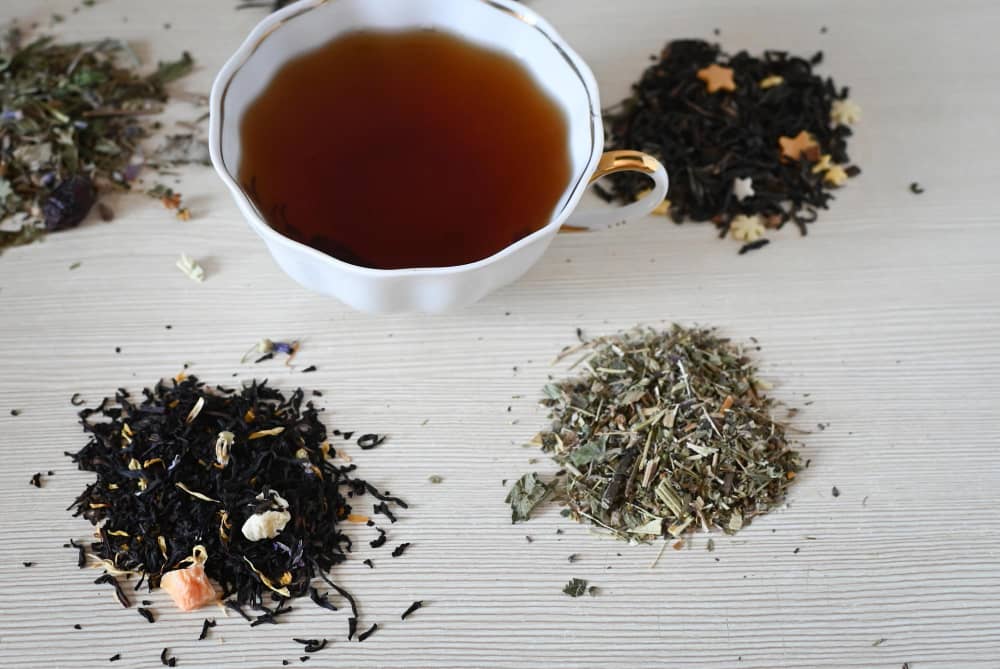
Antioxidant-Rich types of tea can have many health benefits for you and has been around for centuries. Tea is one of the most popular beverages in the world and has been consumed for centuries. There are many types of tea that boast high levels of antioxidants. These include green tea, white tea, oolong tea, and black tea. All of these teas come from the Camellia sinensis plant and contain catechins, which are a type of antioxidant. Antioxidants are believed to have many health benefits, including reducing the risk of heart disease and cancer.

Teatime is a chance to slow down, pull back, and appreciate our surroundings.

Letitia Baldridge

Antioxidant-rich types of tea can have many health benefits for you and have been around for centuries. Tea is one of the most popular beverages worldwide and has been consumed for centuries. Many types of tea boast high levels of antioxidants.

Types of Tea

Tea is often lauded for its antioxidant content when it comes to healthy beverages. Antioxidants are essential for health because they help to protect cells from damage. Tea is rich in a particular type of antioxidant known as polyphenols, which have numerous health benefits.

Tea is often lauded for its antioxidant content when it comes to healthy beverages. Antioxidants are essential for health because they help to protect cells from damage. Tea boasts an abundance of polyphenols, an exceptional class of antioxidants that bring about a wide range of health advantages. Polyphenols play a crucial role in preventing chronic ailments like heart disease and cancer by effectively scavenging free radicals, detrimental molecules responsible for cellular harm and inflammation.

Of the four types of tea, green tea is the most antioxidant-rich type of tea. This is because it is the least processed type of tea. White tea comes a close second, followed by oolong tea and black tea.

So why should you drink antioxidant-rich tea? There are many reasons. Polyphenols, the type of antioxidant found in tea, have been shown to promote heart health, reduce inflammation, and even improve cognitive function. Drinking antioxidant-rich tea may also help protect against chronic diseases like cancer.

Adding some tea to your daily routine is a great place to start if you want to incorporate more antioxidant-rich types of tea or antioxidant-rich foods into your diet.

Types of Tea morning

Green Tea

Some of the most potent antioxidants found in green tea include catechins, flavonoids, and carotenoids. These antioxidants scavenge harmful toxins and byproducts that can damage cells, including damaging DNA.

In addition to its antioxidant content, green tea is a good source of vitamins A, C, and E and minerals like selenium and manganese.

Green tea has been shown to boost heart health, lower cholesterol levels, improve blood sugar control, and even protect against certain types of cancer.

Green tea is a great place to start if you’re looking to incorporate more antioxidant-rich foods into your diet.

White Tea

Silver Needle is the best choice if you’re looking for the most antioxidant-rich type of white tea. It’s made from only the plant’s buds, making it more expensive than other types of white tea. Different types of white tea include Bai Mudan and Shoumei. Bai Mudan is made from the plant’s leaves and buds, while Shoumei is made from older leaves. Both of these teas are less expensive than Silver Needle, but they are also lower in antioxidants.

Oolong Tea

Originating from China, oolong tea is a type of tea that is made from the leaves of the Camellia sinensis plant. The leaves are typically withered, rolled, and then oxidized before they are dried. Oolong tea can range in color from green to dark brown, and it has a unique flavor often described as being fruity and floral. Studies have shown that oolong tea is rich in antioxidants, which can offer several health benefits. For example, antioxidants can help to protect cells from damage and reduce inflammation.

They may also help to reduce the risk of chronic diseases such as heart disease and cancer. In addition to its antioxidant content, oolong tea is also a good source of caffeine. Caffeine can help to improve mental alertness and focus. It can also promote weight loss by boosting the metabolism and increasing fat burning. So, oolong tea is worth trying if you are looking for a healthy beverage option. Just be sure to check the label to make sure you are getting a quality product.

Black Tea

Black tea is one of the most popular types of tea and one of the most antioxidant-rich. Black tea is made from Camellia sinensis leaves that have been oxidized or air-dried. This process gives black tea its distinctive dark color and flavor. Black tea contains high levels of flavonoids, which are natural antioxidants. Flavonoids scavenge harmful toxins and byproducts that can damage cells, and they have been linked to a reduced risk of some chronic diseases.

Black tea has long been revered for its health benefits. In traditional Chinese medicine, black tea was used to promote digestion and urinary tract health. In India, black tea was used to treat fevers and diarrhea. Today, science is beginning to back up these traditional uses. Research has shown that black tea can help boost immunity, protect against heart disease and stroke, and improve gut health. Black tea is an excellent option if you’re looking for an antioxidant-rich tea to add to your diet. Try drinking it plain or with a splash of milk or lemon.

Pu-erh Tea

Pu-erh tea is a type of fermented dark tea that originates from China. It is usually made from a unique variety of Camellia sinensis plants called Yunnan big-leaf tea. The leaves are typically processed by piling and fermentation, which gives pu-erh tea its distinctive earthy flavor. Pu-erh tea is rich in antioxidants, compounds that can neutralize harmful free radicals in the body. Free radicals are unstable molecules that can damage cells and lead to inflammation.

Studies have shown that pu-erh tea can help protect against heart disease, cancer, and cognitive decline. Pu-erh tea is also a good source of catechins, compounds that have been shown to boost metabolism and promote weight loss. One study showed that people who drank pu-erh tea every day for six weeks lost more weight and body fat than those who didn’t drink tea. Pu-erh tea is best brewed using two grams of leaves per cup of water. Steep for three minutes and enjoy!
Health Benefits of Drinking Tea

Health Benefits of Drinking Tea

There are numerous health benefits associated with drinking tea, especially those rich in antioxidants. Antioxidants are known to help protect cells from damage, and they have been linked with a reduced risk of several chronic diseases, such as cancer and heart disease. Some of the most antioxidant-rich types of tea include green tea, black tea, white tea, and oolong tea. Green tea is made from the unfermented leaves of the Camellia sinensis plant and has high levels of catechins, a type of antioxidant.

Black tea is made from fermented leaves and has higher levels of theaflavins and thearubigins, as well as antioxidants. White tea is made from the youngest leaves of the Camellia sinensis plant and has higher levels of catechins than green tea.

Oolong tea is made from partially fermented leaves and has a unique antioxidant profile, including catechins and theaflavins. There are many health benefits associated with drinking antioxidant-rich teas. These benefits include a reduced risk of cancer, improved heart health, reduced inflammation, and better cognitive function. Antioxidant-rich teas can also help boost the immune system and protect against cellular damage.

Reduced Risk of Cancer

The potential health benefits of tea have been well-documented. Tea is rich in antioxidants, which are linked to reduced cancer risk. A recent study found that tea drinkers had a lower risk of developing cancer than non-tea drinkers. Furthermore, tea has also been shown to boost immune function, improve mental health, and reduce the risk of heart disease.

Protection Against Heart Disease

Heart disease is the leading cause of death worldwide, and antioxidants are known to protect against it. Tea is rich in antioxidants, so drinking tea has been linked with a lower risk of heart disease. There are many different types of tea, and they all contain different amounts of antioxidants.

The most antioxidant-rich type of tea is white tea, made from the young leaves and buds of the Camellia sinensis plant. White tea has higher levels of catechins than other types of tea, which are powerful antioxidants that protect against heart disease. One study found that people who drank three cups of white tea daily had a lower risk of heart disease than those who didn’t drink tea.

Green tea is also high in antioxidants and has been linked with a lower risk of heart disease. Green tea contains catechins, powerful antioxidants that protect against heart disease. One study found that people who drank five cups of green tea daily had a lower risk of dying from heart disease than those who didn’t drink tea.

Black tea is also highly antioxidants but contains less catechins than white tea and green tea. However, black tea has been linked with a lower risk of heart disease. One study found that people who drank three cups of black tea daily had a lower risk of heart disease than those who didn’t drink tea.

So, all types of tea – white, green, and black – can help protect against heart disease. Please choose the best tea type and drink it regularly to enjoy the benefits.

Improved Mental Health

There are many benefits to drinking tea, including improved mental health. Tea is rich in antioxidants, which can help protect your body against cell damage and improve your overall health. Drinking tea has been linked to lower rates of depression and anxiety, and some research suggests that it may also help to improve cognitive function. Tea contains caffeine, which can help to improve alertness and focus, and it also has L-theanine, an amino acid that can help to promote relaxation. Drinking tea can, therefore, allow you to feel more relaxed and less stressed.

Weight Loss

When it comes to weight loss, there are many different approaches that people take. Some people opt for fad diets that promise quick results, while others gradually change their eating habits. However, one weight loss strategy that is often overlooked is drinking tea. Tea is not only a refreshing beverage, but it can also be an excellent tool for weight loss.

This is because tea is rich in antioxidants, which have been shown to boost metabolism and promote fat burning. Studies have shown that drinking green tea can help you lose weight and body fat. So, if you want to slim down, consider adding some of the most antioxidant-rich types of tea to your diet. Green tea, white tea, oolong tea, and black tea are all excellent choices. Not only will they help you lose weight, but they’ll also improve your overall health.

Final Words

Tea is more than just a delicious beverage. It is packed with antioxidants and other health-promoting compounds that can offer significant health benefits. Drinking tea regularly has been linked with reduced risk of cancer, protection against heart disease, improved mental health, and even weight loss. So, if you are looking for a healthy beverage to add to your diet, be sure to give tea a try. There are many different types of tea to choose from, so you will surely find one you enjoy.
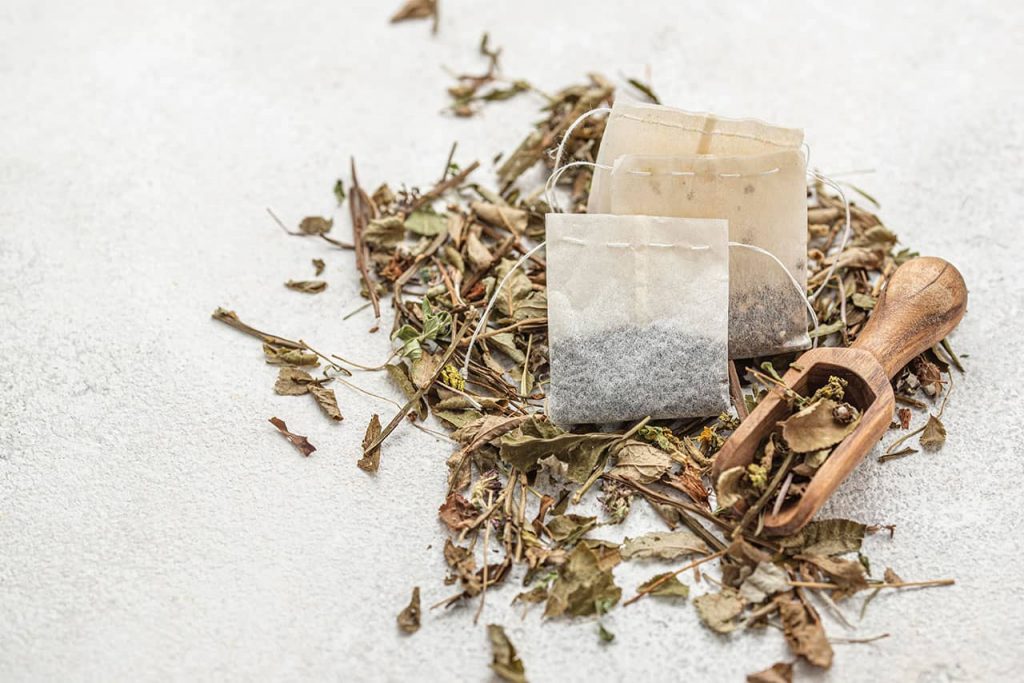
Best 10 Eco-Friendly Brewing Tips

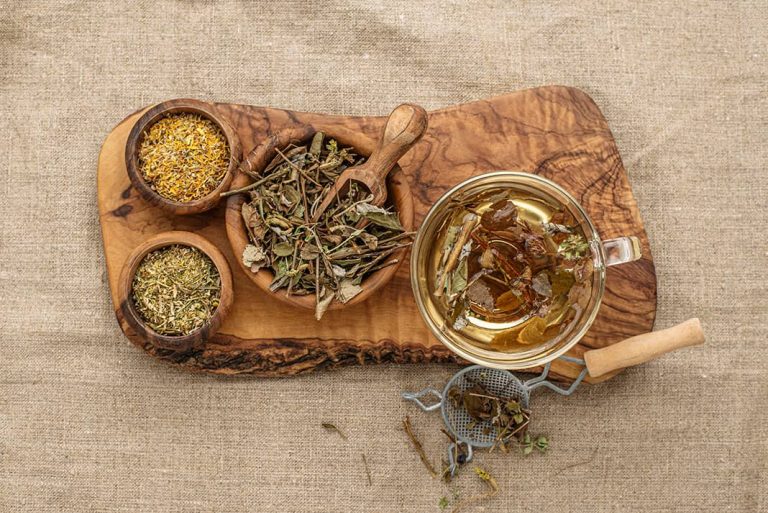
Are you looking for the best eco-friendly brewing tips for tea in a way? Look no further – this page has everything you need to know about making your brewing process more sustainable!

“Plastic Teabags Release Billions of Microparticles and Nanoparticles into Tea”

Laura M. Hernandez

Tea drinkers in Britain contributed a surplus of 370,000 metric tons of teabags and leaves each year, according to WRAP, along with lots of household food waste. A lot of this waste ended up buried in landfills!

1. Use an Electric Water Kettle

Electric kettles are indispensable and irreplaceable friends to any kitchen and our top tip from our list of best eco-friendly brewing tips. Operating much more energy-efficient and effective than their stovetop counterparts, they increase the amount of boiling water much more quickly than their wooden counterparts.

The water heating element of an electric kettle transfers heat to the water efficiently, which saves energy, and during use makes it boil very quickly. In comparison, the stovetop such as exposed electric coils and gas burners transfer heat to the water considerably less efficiently, resulting in more significant energy losses.

Tea Eco-Friendly Brewing Tips

2. Use a Reusable Travel Cup

A reusable travel cup is a great way to enjoy your tea on the go. Regarding tea, using a reusable travel cup is a must, and it is one of the top eco-friendly brewing tips. You should use a reusable travel cup for tea for many reasons. For one, it keeps your tea hot for longer. This is especially important if you like your tea strong and piping hot. Secondly, it’s more environmentally friendly than using a disposable cup. Thirdly, it’s more economical in the long run since you can reuse it repeatedly.

3. Fill Your Kettle Responsibly

Only heat the water up to the bare minimum necessary for your tea to prevent the electricity wastage of extra boiling water. Not only will this strategy be more energy-efficient, it will also help cut down on water wastage. This is a very easy-to-follow tip from our eco-friendly brewing tips collection.

Eco-Friendly Tea Brewing Tips
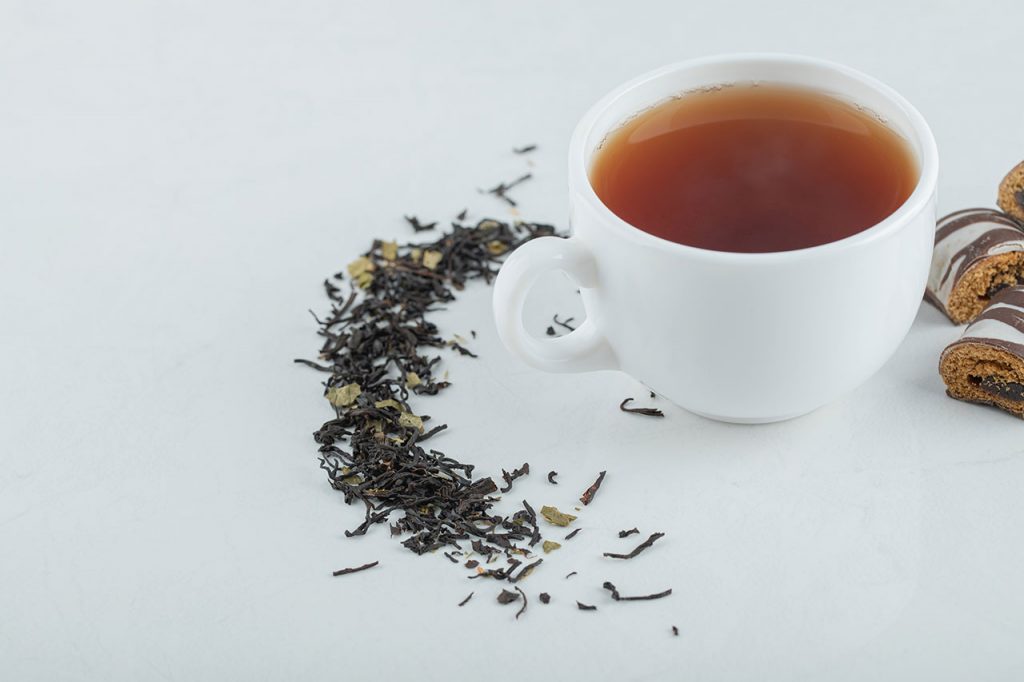
A cup of aroma tea with dried loose teas

4. Tea Infuser Bottle

If you love tea but don’t have time to make a pot, you need a tea infuser bottle. These bottles allow you to brew tea on the go. Add your favorite loose-leaf tea and hot water to the bottle, and let it steep. In a few minutes, you’ll have a delicious cup of tea. Choose from a variety of colors and styles to find the perfect infuser bottle for you.

Once your tea has steeped to perfection, remove the infuser basket and enjoy. Tea infuser bottles are also great for cold brewing iced tea.

5. Carry Reusable Teabags

Instead of expending cash each month on teabags made from natural materials, you can produce your reusable teabags or purchase the muslin teabags you want to make yourself. Stainless steel tea-bag infusers are also a good option for teetotallers.

Carrying reusable teabags is a great way to help the environment. They can be used over and over again, which reduces waste. They are also easy to carry when you are on the go. Reusable teabags are a great way to save money. You can buy them once and use them multiple times.

6. Choose Loose Leaf or Compostable Tea Bags

You can brew delicious tea with a cost-effective, small-scale method that lets you brew loose tea leaves daily. For this technique to work, you must store your tea leaves in an airtight container.

Loose-leaf tea is better for the environment than bagged tea. Many teabags are made of plastics, and paper fibers are 70-80 biodegradable, while the remainder is entirely made of heat-resistant nylon or plastic polyethylene terephthalate (plastics generally).

Loose-leaf tea comes packaged in tins, tea chests, paper bags, and glass jars as a benefit. It can often be fresher and more flavorful. Loose-leaf tea is that tea that is loose-leaf, in contrast to tea pre-packaged in bags. Loose-leaf tea is brewed by mixing the tea leaves with water in a teapot.

7. Compost

If you’d like to start brewing tea in compostable and biodegradable teabags or bulk tea leaves, start composting the steeped tea herbs and tea bags. Pour the contents of the empty brewing pitcher into the composting bin, and organic fertilizer will be added to it. That’s where your kitchen compost tends to get the best of the fertilizer you have produced.

Backyard compostable bags are an easy and convenient way to compost your kitchen and yard waste. These bags are made from 100% biodegradable materials so that they will break down in your compost pile or bin. Composting with backyard compostable bags is a great way to reduce your environmental impact and garbage bill.

8. Grow Your Own Tea

Gardening is a great way to get outside and enjoy the fresh air. Growing your tea is a fun and rewarding experience. Tea is easy to grow and can be grown in a small space. You can grow tea from seed, cuttings, or division. The best time to plant tea is in the spring or fall.

Tea is one of the most popular beverages in the world and can be made using leaves from the Camellia sinensis plant or many herbal tea plants. Growing your tea at home is relatively easy and only requires a few supplies. You can enjoy fresh, homemade tea while saving money on store-bought varieties with patience.

9. Buy from Responsible Brands

When you purchase organic, Fairtrade, or eco-friendly tea, you can improve its effects on people, animals, and the environment through missions to support small farmers.

10. Use Local Resources When Possible

Consume hot water that is less strong in smell and taste as an alternative to distilled or bottled water. Always use potable water in the first place, and if not, use natural spring water when brewing tea and pick local sources if an option is available. The shorter the distance the water travels to reach you, the less carbon is emitted into the atmosphere. If you decide to buy bottled or filtered water, and the journey is short, carbon is released.

In conclusion, these eco-friendly brewing tips are easy ways for every tea brewer lover to help reduce their impact on the environment. We can all do our part to protect our planet by making a few minor changes. So, let’s raise a glass to a sustainable future!

5 Popular Spices Used in Bulgarian Recipes

0

These popular spices used in Bulgarian recipes can spice any meal no matter the ingredients. When it comes to spices, Bulgarian cuisine is not shy. Garlic, black pepper, and paprika are just a few of the common spices used to flavor dishes from this region. While some recipes call for a more subtle approach to seasonings, others go all out, making for a truly unique and memorable eating experience. No matter which route you choose to take, one thing is for sure – your taste buds will thank you.

“There is no love sincerer than the love of food.”

George Bernard Shaw

Bulgaria is a country located in the Balkan peninsula in southeastern Europe. It is bordered by Romania to the north, Serbia to the west, Greece and North Macedonia to the south, and the Black Sea to the east. The cuisine of Bulgaria is representative of the Balkan cuisine as a whole and includes ingredients and dishes from its neighbors. Typical spices in Bulgarian recipes include black pepper, paprika, savory, cumin, and cloves.

If you’re a fan of spice in your food, then you’ll love Bulgarian cuisine. The country’s culinary tradition includes a wide variety of spices, from the ubiquitous paprika to lesser-known but equally delicious spices like black pepper and cumin. Here’s a closer look at some of the most popular spices used in Bulgarian recipes.

spices for bulgarian food recipe

Spices Used in Bulgarian Recipes

Paprika

Paprika is by far the most common spice used in Bulgarian recipes. It is made from dried red peppers and has a sweet, smoky flavor. It adds flavor and color to dishes ranging from stews and casseroles to soups and salads. It is also used to make a famous dipping sauce called ajvar. If you’re not used to cooking with paprika, start with a small amount and add more to taste.

Black Pepper

Black pepper is another common spice in Bulgarian cuisine. It’s often used to season meat dishes but can also be added to vegetables or potatoes for extra flavor. Black pepper is usually used in small quantities and is often combined with other spices to create a more complex flavor profile. Black pepper can be overwhelming when used in large amounts, so it is best to use it sparingly. Black pepper is a versatile spice that can be used in many different dishes, from soups and stews to meat and vegetable dishes.

Cumin

Cumin is a less common spice in Bulgarian recipes, but it’s worth seeking out if you want something new. It’s a seed that comes from a plant in the parsley family. Cumin has a robust, earthy flavor and aroma. It’s often used to season meat and vegetable dishes. Try adding it to stews or dry rubs for grilled meats.

Oregano

Oregano is a popular spice used in Bulgarian recipes. It has a strong, pungent flavor and is used to flavor many dishes, including stews, soups, and sauces. Oregano is also used to flavor meats, fish, and vegetables.

Thyme

Thyme is a popular spice in Bulgarian cuisine used in many recipes. It has a strong, pungent flavor and adds flavor to soups, stews, meat dishes, and vegetable dishes. Thyme is also used to make a variety of sauces and condiments.

Bulgarian Recipes

Bulgaria is a country with a rich and diverse food culture. The cuisine is a blend of Turkish, Greek, and Slavic influences. Typical dishes include Banitsa (a traditional breakfast pastry), Shopska salad (a chopped vegetable salad), and Moussaka (a baked eggplant and ground meat casserole). Bulgarian desserts are not to be missed for those with a sweet tooth.

If you’re looking for a way to add extra flavor to your cooking, you may want to consider using some of the popular spices used in Bulgarian recipes. Paprika, black pepper, cumin, oregano, and thyme are common ingredients in Bulgarian cuisine and can help give your dishes a unique flavor. So, next time you’re in the mood for something different, why not try Bulgarian recipes?

Roses: Beautiful and Delicious Park Assets

0

Roses are one of the most popular and versatile flowers in the world. Not only are they beautiful, but they can also be delicious. That’s right, roses can be used in many different dishes and make a great addition to any meal.

“Life is like a rose garden — watch for the thorns and keep the pest dust handy”

Anonymous

There are many benefits to growing roses. For one, they can add a touch of elegance to any garden. They can also be used as a natural form of pest control. And, as mentioned before, they can be eaten!

If you’re thinking about adding roses to your garden, you should know a few things about how to plant and care for them. First, you’ll need to choose the right type of rose for your needs. There are many different types of roses, each with its unique characteristics.

Once you’ve chosen the correct type of rose, you’ll need to prepare the planting area. This includes making sure the soil is loose and well-drained. You’ll also want to add some organic matter to the soil, such as compost or manure.

After you’ve prepared the planting area, it’s time to plant your roses. Make sure to plant them at the correct depth and spacing. Once they’re in the ground, water them well and keep an eye on them for the first few weeks.

Caring for your roses is relatively easy once they’re established. You’ll need to water them regularly, especially during dry periods. You’ll also need to fertilize them every few weeks and deadhead them regularly.

With a bit of care and attention, your roses will thrive and provide beautiful blooms for many years.

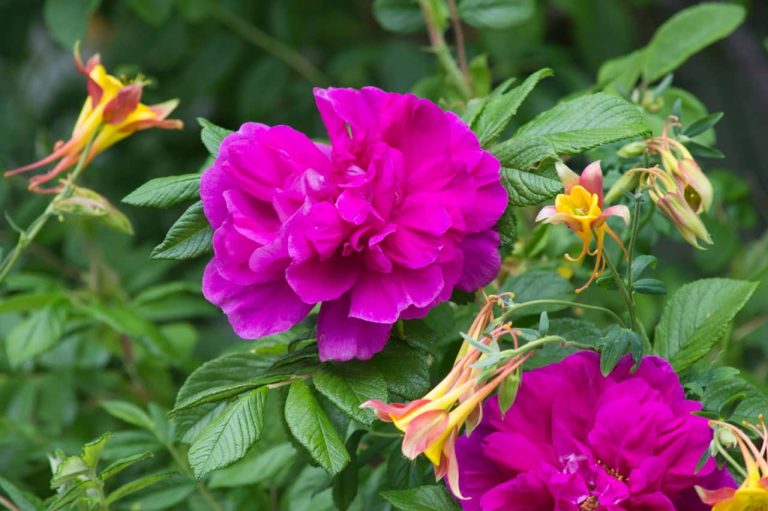
roses introduction

Introduction to roses

Roses have been cultivated for centuries for their beauty and fragrance. In recent years, however, a new appreciation for the culinary uses of roses has emerged, as cooks and chefs have discovered the many ways these lovely flowers can be used to enhance the flavor and presentation of their dishes.

The benefits of roses are many and varied. Roses are not only beautiful and fragrant, but they are also excellent sources of vitamin C and antioxidants. They have been shown to boost the immune system, improve circulation, and even help prevent cancer. Roses are also relatively easy to grow and care for, making them ideal for novice and experienced gardeners.

There are several different types of roses, each with its unique flavor and aroma. With an array of options to choose from, including damask roses with their sweet and floral flavor, musk roses with a hint of spice, and cedar roses with their refreshing woodsy and citrusy scent, there is undoubtedly a rose variety that will cater to your taste preferences.

If you are thinking about adding roses to your garden, you should keep a few things in mind. First, make sure you choose a location with plenty of sun exposure. Roses need at least six hours of sunlight per day to thrive. Secondly, prepare the soil before planting by adding some organic matter,v such as compost or manure. This will help the roots establish themselves more quickly and promote healthy growth. Finally, water your roses regularly, especially during periods of drought.

Following these simple tips, you can enjoy beautiful, delicious roses for many years.

The benefits of roses

Roses are not only beautiful, but they also offer several benefits for parks and gardens. Roses can help to provide structure and definition to a space, while their fragrance can add a touch of luxury. Roses can also be used to attract bees and other pollinators, which can be beneficial for the environment. Plus, the hips of some rose varieties are edible and can be used in jams, jellies, and syrups.

Roses growing at home

How to plant and care for roses

Roses are one of the most popular flowers in the world, and for good reason. Not only are they beautiful, but they’re also delicious.

Roses can be planted in various ways, including in beds, borders, and containers. When planting roses, be sure to choose a location that gets plenty of sunlight and has well-drained soil.

Once you’ve found the perfect spot for your roses, it’s time to get planting. The best time to plant roses is spring after the last frost has passed.

When you’re ready to plant, dig a hole twice as wide as the root ball and just as deep. Once the hole is dug, mix some organic matter into the backfill soil to help improve drainage.

After you’ve prepped the planting area, it’s time to plant your rose. Gently remove the rose from its container and loosen any tangled roots. Place the rose in the hole so that the top of the root ball is even with the soil’s surface. Backfill the hole with soil, being careful not to bury the graft union (the swollen area where the roots meet the stem). Firmly press down on the soil around the base of the plant to remove any air pockets.

Water your rose deeply immediately after planting. Be sure to water regularly during its first growing season to help it establish a strong root system. Once installed, roses typically only need to be watered about once a week during periods of active growth.

In addition to watering, rose care includes fertilizing and deadheading (removing spent blooms). Use a fertilizer formulated for roses or another blooming plant fertilizer according to package directions. Fertilize roses every four to six weeks during their active growing season (spring through fall). Deadhead regularly to encourage more blooms.

With proper care, roses will reward you with years of beautiful blooms.

You probably know that roses symbolize love, but did you know that roses are also a symbol of friendship? Don’t just give your significant other roses for Valentine’s Day. Give a coworker a rose as a token of your appreciation for all the help they’ve given you. Maybe you’re always helping a friend out when she’s in need, or your best friend is always there to lend you a hand when you need it. Show your appreciation with a beautiful rose from your garden.

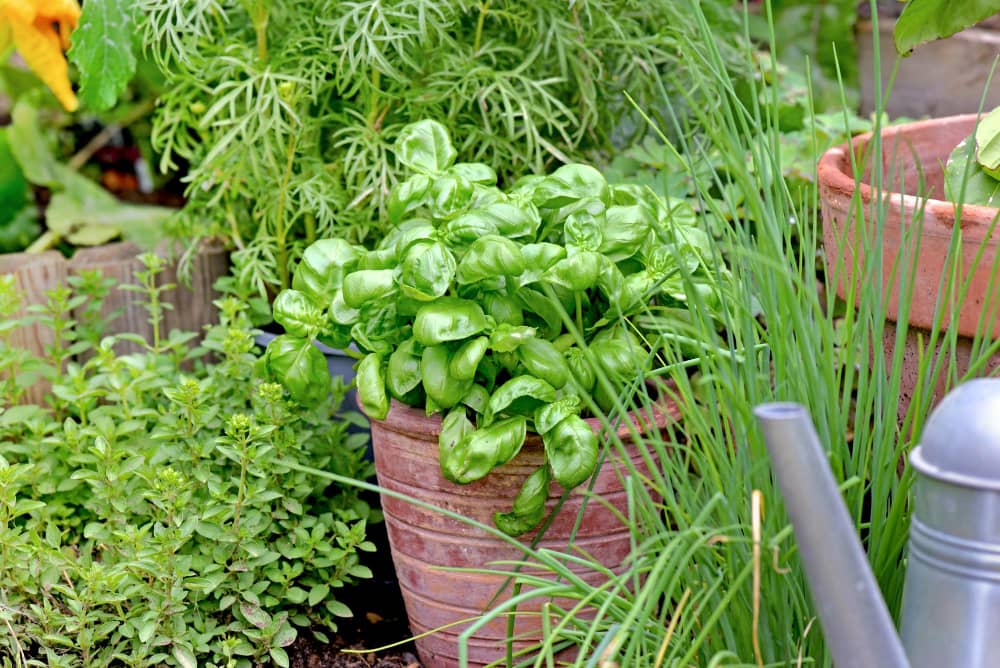
How to Water Your Herbs Plants Properly

Herbs are a great addition to any meal. This means knowing how to water your herbs plants properly is essential, especially if you want to grow your herbs. Not only do they add flavor, but they can also provide health benefits. However, herbs need to be appropriately cared for for them to thrive.

When you smoke the herb, it reveals you to yourself.

Bob Marley

Watering your herbs properly is essential to their health and growth. If you overwater them, they can become waterlogged and suffocate. If you underwater them, they will start to wilt and die.

Herbs Plants health benefits

There are a few things you need to take into account when watering your herbs:

  • The type of plant – Some plants, like succulents, store water in their leaves and can go longer without water. Others, like ferns, need to be kept moist at all times.
  • The size of the plant – A small plant will need less water than a large one.
  • The potting mix – Depending on your potting mix, it might retain more or less water.
  • The weather – Hot, dry weather will cause plants to need more water than cooler, wetter weather.

Once you’ve considered these factors, you can start watering your herbs. Here are a few tips on how to do it properly:

  • Use room temperature water – Cold water can shock the roots and damage the plant.
  • Water in the morning gives the plant time to absorb the water before the day’s heat evaporates.
  • Water the soil, not the leaves – Wet leaves can encourage fungal diseases.
  • Avoid getting water on the flowers – This can damage them.

By following these simple tips, you can ensure that your herbs stay healthy and thrive.

Water Your Herbs Plants Properly – The Basics

Herbs are one of the easiest plants to grow and can be very rewarding. But one of the most common mistakes made with herbs is improper watering.

Watering herbs is simple if you understand the basics. In this article, we’ll cover everything you need to know about watering your herbs, including:

  • The basics of watering herbs
  • How often do you water your herbs
  • The best time of day to water your herbs
  • How to tell if your herbs are getting enough water

By the end of this article, you’ll be a pro at watering your herbs!

When to Water Herbs

Water is essential to the life of all plants, and herbs are no exception. In general, herbs need to be watered when the soil is dry. However, there are some exceptions to this rule. Herb plants that have just been transplanted into a new pot or garden bed must be watered more frequently than established plants. During hot, dry weather, all herb plants must be watered regularly.

Here are a few general tips for watering your herb plants:

– Water early in the day so the leaves have time to dry before nightfall. Wet leaves overnight can lead to fungal diseases.

– Make sure you are watering the roots and not just the leaves. The best way to do this is to water at the base of the plant.

– If possible, use rainwater or collected water instead of tap water. Chlorine and other chemicals in tap water can harm delicate herbs.

– Allow the soil to dry out completely between waterings. Overwatering is just as harmful as underwatering.

Ways to Water Your Herb Plants

How Often to Water Herbs

Herbs need to be watered regularly, especially during the hot summer months. However, you don’t want to over-water them, which can lead to problems such as root rot. The best way to water your herbs is to give them a good soaking once a week. This means watering them until the water begins to run out of the bottom of the pot. If you live in an area with high humidity, you may need to water your herbs more frequently.

Ways to Water Your Herb Plants

There are many ways to water your herb plants, but some methods are better than others. Here are a few of the best ways to ensure that your herbs get the moisture they need:

  • Use a watering can with a long spout. This will help you avoid getting water on the leaves of your plants, which can encourage fungal growth.
  • Water in the morning so the leaves have time to dry off before nightfall.
  • Use lukewarm water. Hot or cold water can shock the roots and damage the plant.
  • Try not to get water on the flowers, as this can cause them to wilt.
  • When possible, water directly into the soil rather than onto the leaves.

The best way is to use a soaker hose or drip irrigation, which will deliver water directly to the roots of the plants and minimize evaporation. If you’re using a watering can, be sure to water at the base of the plant rather than from above to avoid wetting the leaves.

By following these simple tips, you can ensure that your herb plants stay healthy and thrive!

Conclusion

Knowing how to water your herbs plants properly is essential to keeping them healthy and ensuring a bountiful harvest. The basics of watering are simple: water profoundly and allow the soil to dry out between waterings. However, there are a few things to keep in mind when it comes to watering your herbs.

Follow the tips mentioned in this article, and you’ll be on your way to success. Remember to water deeply and infrequently and to check the soil before watering to see if it needs moisture. Mulching your plants will also help to retain moisture in the soil. You can keep your herbs healthy and thriving all season long with a little care and attention.

Popular Bulgarian Herbs And Their Health Benefits

Some of these popular Bulgarian herbs have been used for centuries in traditional Bulgarian medicine to treat various conditions. Bulgaria is well known for its diverse flora and fauna. The country has various herbs that can grow in the wild or be cultivated in gardens. Here are some popular Bulgarian herbs and their health benefits.

Bulgaria is a country with a rich tradition of herbal medicine. For centuries, Bulgarian peasants have used herbs to treat various ailments. Today, some of the most popular Bulgarian herbs treat colds and flu, stomach problems, and skin conditions.

“There is something in the nature of tea that leads us into a world of quiet contemplation of life.”

Lin Yutang

Bulgaria is a country located in the southeastern part of Europe. It borders Romania to the north, Serbia to the west, Macedonia to the south, and Greece to the east. The Black Sea lies to the east of Bulgaria. The country has a rich history and culture. Bulgaria is known for its traditional folk music and dance.

Bulgarians use a variety of herbs for medicinal purposes.

Herbal teas have been around for centuries and are widely consumed for their delicious taste and health benefits. Bulgaria is home to many herbs used to make teas, popular among locals and tourists. This article will look at some of the most popular Bulgarian herbs and their health benefits.

Mursalski tea is a herbal tea made using a blend of different herbs. The most common herbs used in Mursalski tea are yarrow, St. John’s wort, thyme, and mint. This tea is said to boost the immune system, aid in digestion, and reduce inflammation.

Yarrow is a common herb that is used in many different types of teas. It is known for boosting the immune system, aiding digestion, and reducing inflammation.

St. John’s Wort is an herb commonly used in teas for its mood-enhancing properties. This herb is effective in treating depression and anxiety.

Thyme is an herb that has a wide range of health benefits. It can boost the immune system, aid digestion, reduce inflammation, and enhance mood.

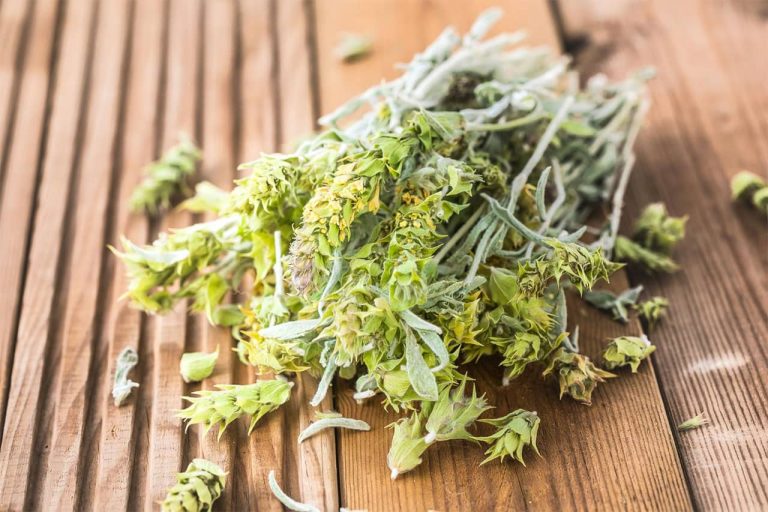
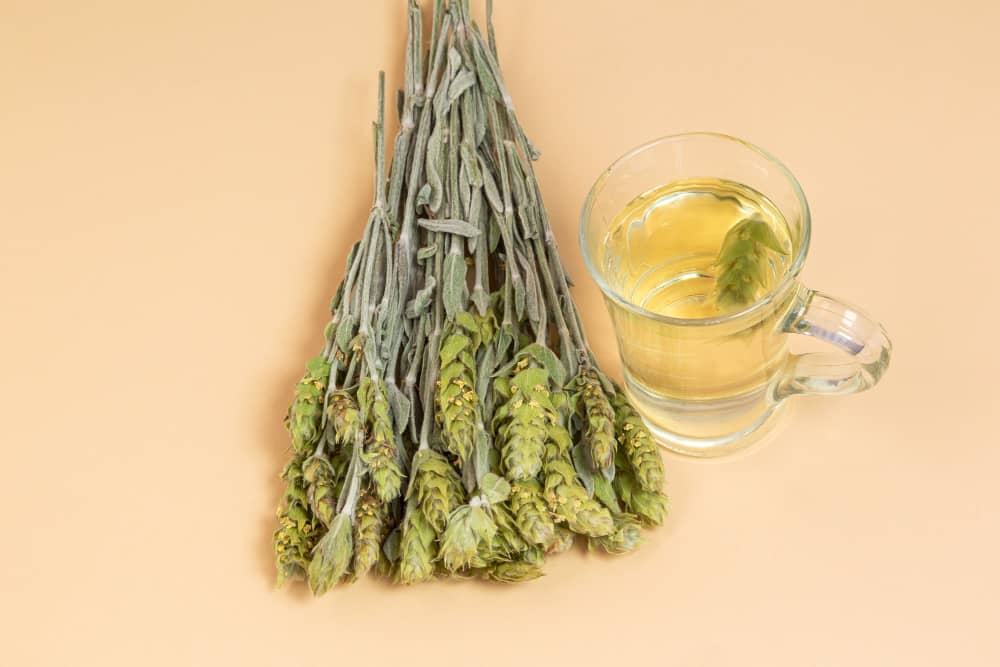
Bulgarian mountain tea

Bulgarian Herbs

Herbs have been used for centuries in many cultures for their medicinal properties. In Bulgaria, some of the most popular herbs are mursalski tea, yarrow, St. John’s wort, and thyme. These herbs offer a variety of health benefits, including boosting the immune system, aiding digestion, reducing inflammation, and enhancing mood.

The health benefits of Bulgarian herbs are numerous. They can help boost the immune system, aid digestion, reduce inflammation, and enhance mood. These herbs are safe to use and have been used by the people of Bulgaria for generations.

Mursalski Tea

Mursalski tea is a popular herbal tea in Bulgaria. It is made from the Mursalski plant’s leaves, a member of the mint family. The leaves of the Mursalski plant are rich in volatile oils, which give the tea its characteristic aroma and taste.

Mursalski tea is a traditional Bulgarian remedy for colds and flu. It is made from rosemary, sage, lavender, mint, and thyme. Yarrow is another popular herb in Bulgaria used to treat colds and respiratory infections. St. John’s wort is a well-known herb for its antidepressant and anti-anxiety effects, and it is one of the most popular Bulgarian herbs. Lastly, thyme is a common ingredient in Bulgarian cooking and has antimicrobial and anti-inflammatory properties.

Mursalski tea has many health benefits. It is used to treat colds and flu and has antiviral and antibacterial properties. It also treats gastrointestinal disorders such as stomach aches, cramps, indigestion, and nausea. Mursalski tea can also help to relieve stress and anxiety and promote relaxation.

To prepare Mursalski tea, add a handful of leaves to a teapot or cup of boiling water and allow to infuse for 5-10 minutes. You can sweeten the tea with honey if desired.

Yarrow

Yarrow is a flowering plant that is native to Europe and Asia -Yarrow has been used for centuries as an herbal remedy for a variety of ailments -Yarrow is a member of the daisy family, and its scientific name is Achillea millefolium. The plant is named after the Greek hero Achilles, who is said to have used yarrow to heal his soldiers’ wounds. Yarrow is a perennial plant that grows to a height of two feet. It has opposite, feathery leaves and small white or yellow flowers that bloom in summer.

Yarrow can be found growing in meadows, fields, and along roadsides. The leaves and flowers of yarrow can be used fresh or dried. Yarrow can be made into tea by steeping one teaspoon of dried herb in eight ounces of boiling water for ten minutes. Yarrow tea can be taken three times daily to help relieve cold symptoms such as a sore throat or nasal congestion.

Yarrow tincture can also be purchased at health food stores. Yarrow is considered to be safe when taken in moderation. However, it should not be taken by pregnant women or nursing mothers. People with allergies to plants in the aster family (such as daisies) should also avoid yarrow.

St. John’s Wort

St. John’s wort (Hypericum perforatum) is a plant with a long history of use for medicinal purposes. The herb is native to Europe and Asia but can now grow in many parts of the world. The main active ingredient in St. John’s wort is hypericin, which is thought to be responsible for the herb’s antidepressant and anti-anxiety effects. Hypericin works by inhibiting the reuptake of the brain’s neurotransmitters serotonin, norepinephrine, and dopamine.

St. John’s wort is effective in treating mild to moderate depression. The herb is also sometimes used to treat anxiety, insomnia, and other mood disorders. While St. John’s wort is generally considered safe, it can cause side effects such as dizziness, dry mouth, and stomach upset. The herb can also interact with some medications, so it’s important to talk to your doctor before taking St. John’s wort if you are taking any other medicines.

Thyme

Thyme is a popular herb that has many health benefits. It is commonly used to flavor food but has antimicrobial and antioxidant properties. Thyme can treat various respiratory disorders, Skin problems, digestive issues, and even cancer.

Thyme is often used to treat respiratory disorders such as bronchitis, coughs, colds, and congestion. The herb can help break up mucus and phlegm, making it easier to expel. Thyme is also a natural expectorant, which helps promote the coughing up of mucus and phlegm.

Skin problems: Thyme can also be used to treat various skin problems. The herb has antimicrobial properties, which makes it effective against bacteria and fungus. Thyme can also help to heal wounds and soothe inflammation.

Digestive issues: Thyme can treat digestive problems such as indigestion, diarrhea, and nausea. The herb can help to stimulate digestion and promote the production of bile. Thyme is also a natural carminative, which helps prevent gas and bloating.

Cancer: Thyme has also been effective against some forms of cancer. The herb contains thymol, which is an aromatic compound that has been shown to have antiproliferative effects. This means that it can help to stop the growth of cancer cells.

Health Benefits of Bulgarian Herbs

Health Benefits of Bulgarian Herbs

There are many popular Bulgarian herbs that have been used for centuries for their health benefits.

Some of these herbs include:

Rosemary – Rosemary is a very popular herb in Bulgaria and is known for its ability to improve circulation and memory. It is also said to help with digestive problems, headaches, and anxiety.

Lavender – Lavender is another popular herb in Bulgaria known for its calming and soothing effects. It is often used to help with insomnia, anxiety, and headaches.

Thyme – Thyme is an herb with a long history of use in Bulgaria. It is effective in treating respiratory problems, colds, and Bronchitis. Other popular Bulgarian herbs include chamomile, basil, dill, mint, and parsley.

Boosts Immune System

There are many popular Bulgarian herbs that have been used for centuries to boost the immune system. Some of these herbs include:

1. Astragalus – This herb has been used in Chinese medicine for centuries to help boost the immune system. It is also known to help prevent and treat upper respiratory infections.

2. Echinacea – This herb is commonly used to help boost the immune system and fight off infections. It is also known to help reduce inflammation and pain.

3. Garlic – Garlic is a popular herb with many health benefits, including boosting the immune system. It is also known to help fight off infections, reduce inflammation, and lower cholesterol levels.

4. Ginger – Ginger is another popular herb with many health benefits, including boosting the immune system. It is also known to help fight off infections, reduce inflammation, and improve digestion.

5. Turmeric – Turmeric is a popular spice with many health benefits, including boosting the immune system. It is also known to help fight off infection, reduce inflammation, and improve cognitive function.

Aids in Digestion

There are a number of popular Bulgarian herbs that are known to aid in digestion. These herbs include:

1. Fenugreek seeds: These are a popular folk remedy for digestive disorders and are known to treat indigestion, gas, and bloating. Fenugreek seeds contain a compound called mucilage, which soothes and protects the lining of the gastrointestinal tract.

2. Fennel seeds: Fennel seeds are another popular herb used for digestive purposes. They contain an aromatic oil that helps to stimulate digestion and relieve gas and bloating. Fennel seeds can be chewed after meals or taken as a tea.

3. Ginger root: Ginger is a well-known herb used for centuries to treat various digestive disorders. Ginger root contains compounds that help to speed up gastric emptying and relieve nausea and vomiting. Ginger can be consumed fresh, dried, or in capsule form.

4. Peppermint: Peppermint is a refreshing herb that has long been used to treat indigestion and other digestive disorders. Peppermint contains an aromatic oil that relaxes the digestive tract muscles and helps reduce gas and bloating. Peppermint can be consumed fresh, dried, or in tea form.

5. Turmeric: Turmeric is an ancient Indian spice that is beneficial in treating various gastrointestinal disorders. Curcumin, the active compound in turmeric, has strong anti-inflammatory and antioxidant properties, which can help to heal the lining of the GI tract and reduce symptoms of indigestion, gas, and bloating.

Enhances Mood

Many herbs can help to improve your mood and mental well-being. Here are some of the most popular Bulgarian herbs that are known for their mood-enhancing properties:

1. Lavender (лаванда) – This herb is well-known for its calming and relaxing effects. It can help to reduce anxiety and stress and promote a sense of calm and peace.

2. Rosemary (розмарин) – Rosemary is another herb with calming properties. It can help to ease anxiety and tension and improve focus and concentration.

3. St. John’s Wort (късно лютер) – St. John’s Wort is a popular herbal remedy for depression and other mood disorders. It can help to improve mood, reduce anxiety and stress, and promote a sense of well-being.

4. Chamomile (камила) – Chamomile is a soothing herb that can help to reduce anxiety and promote relaxation. It is also thought to have anti-depressant properties.

5. Peppermint (пеперица) – Peppermint is invigorating and refreshing, making it an excellent herb for improving mood and mental alertness. It can also help to ease headaches and digestive problems.

Conclusion

Herbal remedies have been used for centuries to treat various ailments, and Bulgaria is no exception. Several popular Bulgarian herbs boast many health benefits, from boosting the immune system to aiding digestion. Moreover, these herbs can also help reduce inflammation and enhance mood.

If you’re looking for a natural way to improve your health, why not try some of these Bulgarian herbs? You may be surprised at just how effective they can be.

How To Plant And Grow Lavender

Planting and growing lavender is easy and rewarding. Lavender is a fragrant, low-maintenance flowering plant that thrives in sunny, well-drained areas. A member of the mint family, lavender has been used for centuries in sachets, potpourris, and perfumes. But this versatile herb is more than just a pretty addition to your garden—it also has culinary, medicinal, and cleaning applications.

“Be like a lavender flower which symbolizes purity, quietness, elegance, calmness, deluxe, royalty.”

Nayana D. Biju.

What is Lavender?

Lavender is a beautiful, fragrant herb that can add a touch of elegance to any garden. If you’re considering planting lavender in your garden, here’s what you need to know to start.

Lavender is a relatively easy plant to grow, but there are a few things you need to do to ensure that your plants thrive. First, you need to choose the right location for your plants. Lavender prefers full sun and well-drained soil. If you have heavy clay soil, consider planting your lavender in raised beds or mounds to ensure good drainage.

Once you’ve chosen the perfect location, it’s time to prepare the soil. Lavender doesn’t like competition from other plants, so it’s essential to remove all weeds and grass from the planting area. You should also add some organic matter to the soil to help improve drainage and promote root growth.

Once the soil is ready, you can finally plant your lavender plants. Space them 18-24 inches apart, and water them deeply after planting.

Now that your lavender plants are in the ground, all that’s left to do is give them the occasional deep watering and wait for them to bloom. With some care, your lavender plants will thrive and provide you with years of enjoyment.

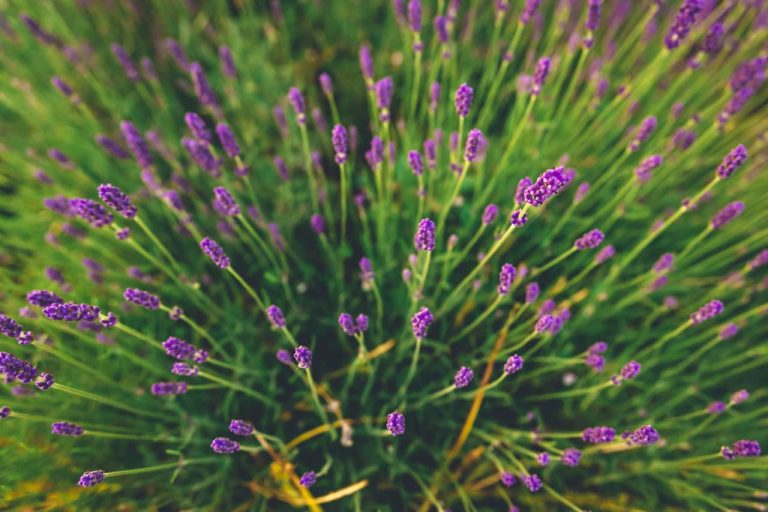
how to grow lavender

How to Plant Lavender

Lavender is one of the most versatile herbs. It can be used for cooking, as a natural dye, in potpourris, sachets, and so much more. And it’s easy to grow!

If you’re thinking about adding lavender to your garden, here’s what you need to know about how to plant and grow lavender.

Lavender is a Mediterranean herb that prefers full sun and well-drained soil. It’s drought tolerant and doesn’t like wet feet, so make sure you plant it in a spot that doesn’t stay soggy after a rainstorm.

When you’re ready to plant, dig a hole twice as wide as the lavender plant’s root ball and just as deep. Remove the plant from its pot and loosen any tangled roots before planting. Place the plant in the hole so that the top of the root ball is level with the surrounding soil, and then backfill the hole with soil. Tamp down lightly and water well.

Lavender is a low-maintenance herb, but it needs regular watering—especially when it’s first established. Water your lavender plants deeply once a week (or more often if they’re in a pot or extremely hot and dry). Cut back on watering during the fall to encourage dormancy.

Lavender blooms on new growth so you can prune it anytime between late spring and early summer. Leave at least 4 inches of growth so the plant has enough leaves to produce food for next year’s blooms.

Now that you know how to plant and grow lavender, all you can do is enjoy its beautiful flowers and wonderful fragrance!

How to Grow Lavender

Lavender is a beautiful and fragrant herb that can be used in various ways. Growing lavender is not tricky, but there are a few things to remember to ensure success.

Lavender prefers a sunny location with well-drained soil. If soil is heavy or clay-like, amend with sand or perlite to improve drainage. Lavender also does not like to sit in wet soil, so ensure your planting area is not susceptible to flooding or puddles.

When planting lavender, space plants about 18 inches apart to allow for good air circulation. Lavender is somewhat drought tolerant once established, but during the first growing season, water regularly to keep the soil moist (but not soggy).

Lavender does not require fertilization, but you can give it a light feeding in early spring if desired.

To encourage bushier growth, pinch back the tips of the stems in late spring or early summer.

Lavender blooms from late spring through early summer. Flower spikes can be cut and used fresh or dried. To dry lavender, cut flower spikes when about two-thirds of the flowers on the spike are open. Bundle several stems together and hang upside down in a cool, dark place until completely dry. Once dry, the flowers can be removed from the stems and used as desired.

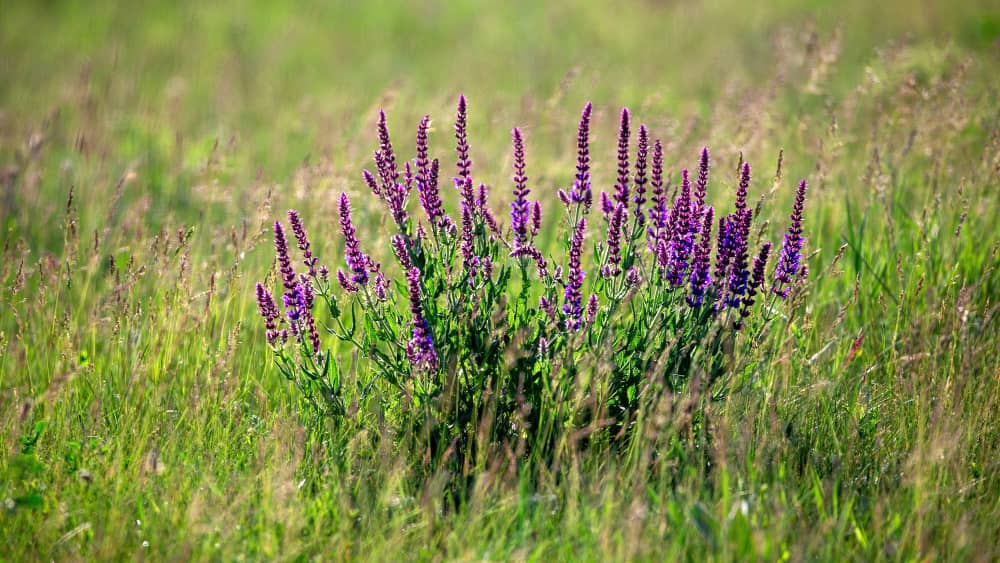
taking care for lavender herb plant

How to Harvest Lavender

Harvesting lavender is a simple process that can be done by hand or machine. The main thing to remember is to cut the stem at the base of the plant, just above where new growth begins. This will ensure that your plant continues to produce new stems and flowers.

If you are using a machine, set the blade to just above ground level and ensure it is sharp. This will help you to avoid damaging the plant. Go over the area slowly and carefully so you don’t miss any stems.

Once you have cut all the stems, tie them together in bunches and hang them upside down in a cool, dark place. This will allow the lavender to dry out completely and preserve its color and fragrance.

Conclusion

Lavender is a beautiful and fragrant herb that can quickly grow in your home garden. With some care, you can have a thriving lavender plant that will provide fresh blooms all summer. When planting lavender, choose a sunny spot in your garden with well-drained soil. Lavender does not like to sit in wet soil, so be sure to amend your soil with sand or gravel if it is heavy and clay-like. Once your lavender is planted, water it well and let the soil dry out completely before watering again. Lavender is a drought-tolerant plant that does not need much water to thrive.

Be sure to fertilize your lavender plant once a month during the growing season with a balanced fertilizer. When harvesting lavender, cut the stems early in the morning when the flowers start opening. Hang the stems upside down in a cool, dark place to dry. Once the lavender is completely dry, you can strip the leaves and flowers from the stems and store them in an airtight container. Enjoy the fresh scent of lavender all year long by growing your lavender plant!

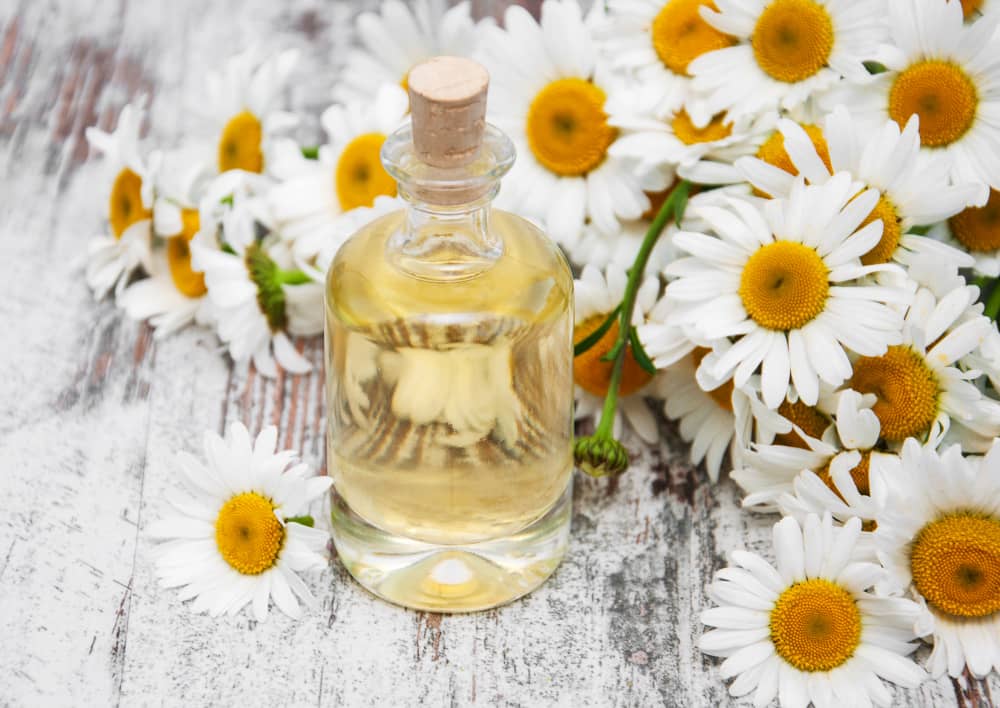
The Benefits Of Chamomile Oil

Some of the benefits of chamomile oil include using it to treat conditions such as anxiety, insomnia, indigestion, and muscle cramps. Chamomile oil is extracted from the chamomile plant and has been used for centuries as a natural remedy for various ailments. Chamomile oil is known to have anti-inflammatory, antispasmodic, and antibacterial properties.

Chamomile oil helps to calm nervous tension and promote deep relaxation

Amy Leigh

Chamomile oil is a popular essential oil that has many benefits. It’s frequently used in aromatherapy, massage, and other natural health remedies.

The oil is extracted from the chamomile plant, part of the daisy family. Chamomile essential oil has a sweet, fresh, and earthy scent.

There are two types of chamomile essential oil: Roman chamomile (Chamaemelum nobile) and German chamomile (Matricaria chamomilla). Both oils have similar benefits.

Chamomile oil is known for its calming and relaxation properties. It’s often used to treat anxiety, insomnia, and stress-related disorders. The oil is also effective in treating skin conditions like eczema and psoriasis.

In addition to its calming effects, chamomile oil is also a powerful antioxidant. It can help protect your cells from damage caused by free radicals. Free radicals are unstable molecules that can lead to cell death and disease.

Chamomile oil is safe for most people to use. However, if you’re allergic to Ragweed, you may also be allergic to chamomile. Chamomile oil may also not be suitable for pregnant women or young children. If you’re pregnant or breastfeeding, it’s best to consult with your doctor before using chamomile oil.

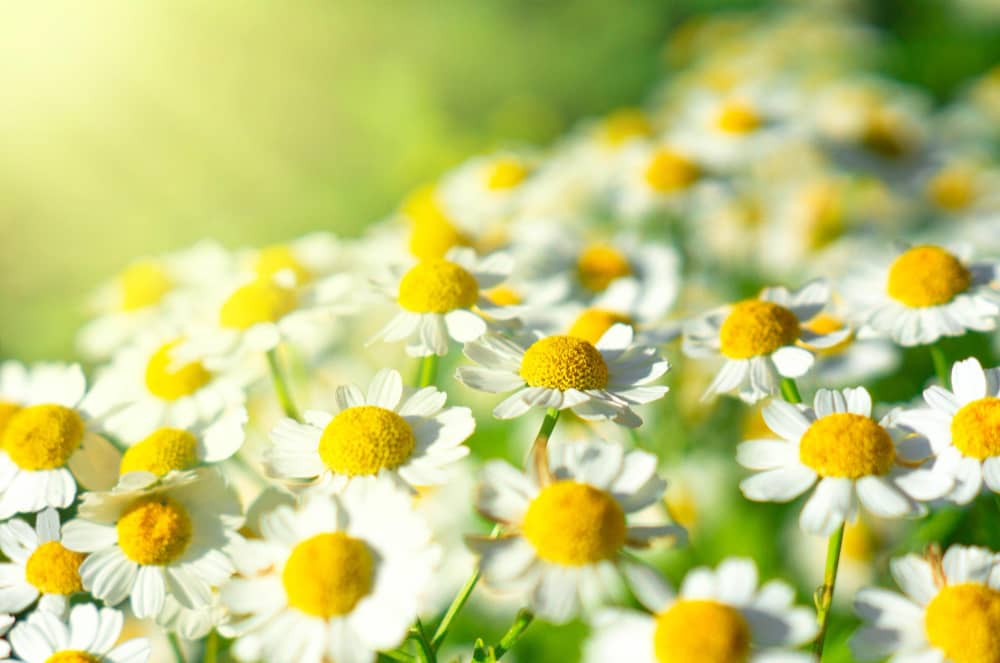
medical benefits Chamomile herb

What is Chamomile Oil?

Chamomile oil is extracted from the Chamomile plant, which is a member of the daisy family. Chamomile oil has been used for centuries in traditional medicine to treat various conditions.

Recent studies have shown that chamomile oil has many potential health benefits, including reducing inflammation, relieving anxiety and depression, and promoting sleep.

Chamomile oil also effectively treats skin conditions such as eczema and psoriasis.

If you’re looking for a natural remedy with a wide range of potential health benefits, chamomile oil is an excellent option.

The benefits of Chamomile Oil

Chamomile oil has been used for centuries for its medicinal properties. The oil is extracted from the chamomile plant and has several benefits when used topically or inhaled. Chamomile oil can be used to treat a variety of conditions, and the benefits of chamomile oil are many, including:

  • Anxiety
  • Depression
  • Insomnia
  • Muscle spasms
  • Menstrual cramps
  • Eczema
  • Psoriasis
  • Arthritis
  • Gastrointestinal issues

Chamomile oil works by increasing levels of serotonin and reducing inflammation. The oil is also effective in relaxing muscles and promoting sleep. When used topically, chamomile oil can soothe skin irritations and reduce inflammation. Chamomile oil is safe for most people to use, but it is essential to dilute it before inhaling it to the skin or inhaling it.

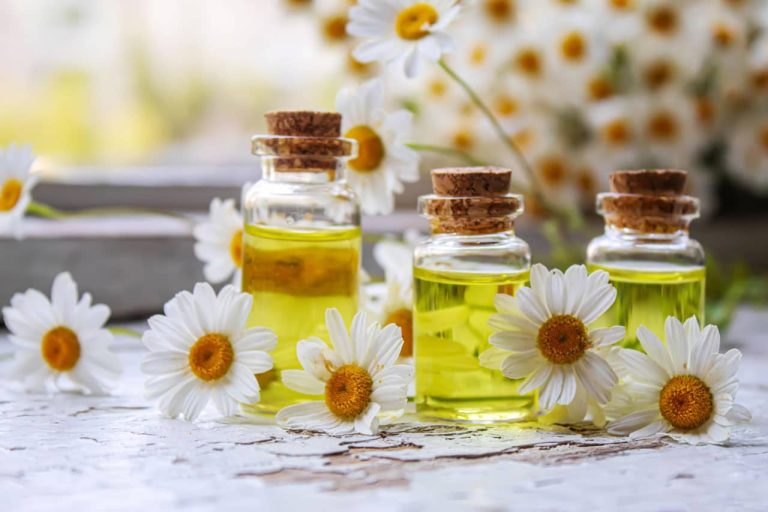
essencial oil camomile

How to use Chamomile Oil

Chamomile oil can be used in several ways to improve your health and well-being. Here are some of the most popular ways to use this essential oil:

Inhalation: You can inhale chamomile oil directly from the bottle or diffuse it using an essential oil diffuser. This is a great way to relax and calm your nerves.

Topical application: Chamomile oil can be applied topically to the skin. It is often used to treat skin conditions such as eczema, psoriasis, and acne. The benefits of chamomile oil also include adding to lotions and creams for a soothing effect.

Massage: Chamomile oil makes an excellent massage oil. It can help to relieve muscle tension and pain and promote relaxation.

Add it to your bath: Add a few drops of chamomile oil to your bathtub for a relaxing, stress-relieving experience.

Precautions when using Chamomile Oil

Chamomile oil is generally safe for most people when used as directed. However, there are a few precautions you should take when using chamomile oil:

  • If you are allergic to ragweed, chrysanthemums, marigolds, or daisies, you should not use chamomile oil.
  • Chamomile oil can cause skin irritation in some people. If you have sensitive skin, test the oil on a small area of your skin before using it more broadly.
  • Chamomile oil can also interact with certain medications, including those used to treat anxiety, depression, and seizures. If you take any medication, check with your healthcare provider before using chamomile oil.

Conclusion

Chamomile oil is a versatile and natural remedy with many benefits. There are many benefits of chamomile oil, and it can be used to soothe skin irritations, relieve stress and anxiety, and even promote a good night’s sleep. Chamomile oil is safe for most people, but it’s always best to check with your healthcare provider before using any new natural remedy.

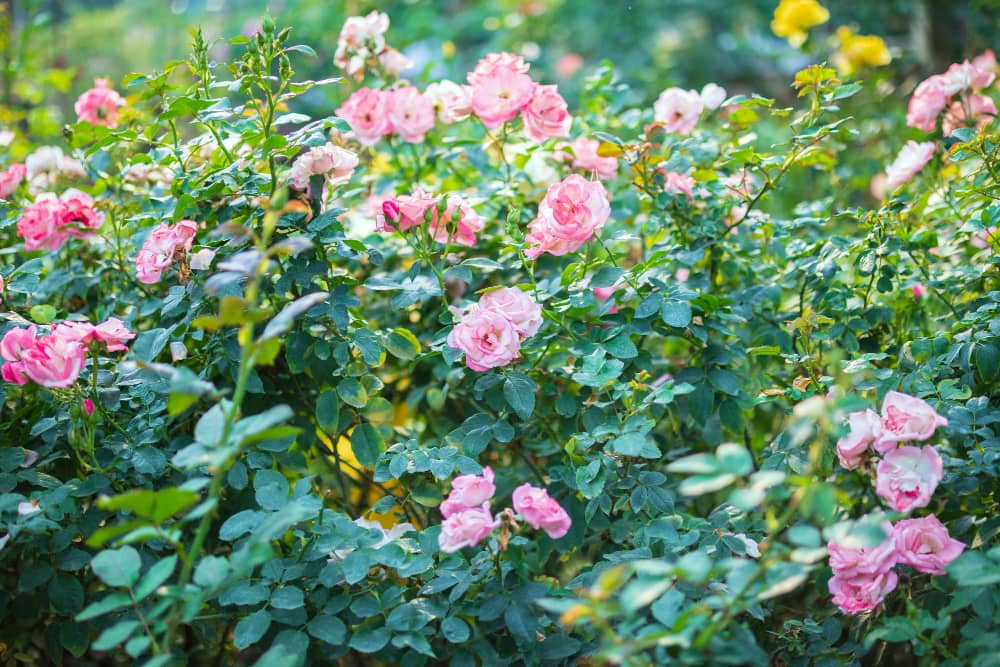
The Rose Of Bulgaria: A Century Of Tradition

The Rose of Bulgaria symbolizes the country and is often used in Bulgarian folk art. The rose has been an iconic symbol in Bulgaria for centuries. It is a beautiful and aromatic flower and a source of valuable rose oil. In this article, we will explore the history of the rose in Bulgaria, how it is grown, and the benefits of rose oil.

“The optimist sees the rose and not its thorns; the pessimist stares at the thorns, oblivious to the rose.”

Kahlil Gibran

The rose is thought to have first been cultivated in Bulgaria over a thousand years ago. Since then, it has been critical in Bulgarian culture and tradition. The rose symbolizes love and beauty and is often used in traditional Bulgarian folk music and dance.

Bulgarian roses are renowned for their high quality and intense fragrance. They are grown in the Valley of the Roses, a lush region in central Bulgaria with ideal climate and soil conditions for growing roses. The roses are hand-picked early in the morning when their scent is strongest.

Rose oil is extracted from the rose’s petals and used in various cosmetics and skin care products. It is known for its antioxidant properties and ability to improve skin elasticity. Rose oil can be either absolute or essential oil. Total rose oil is derived from damask roses and has a deep, sweet scent. On the other hand, essential rose oil is derived from various types of roses and has a lighter, more refreshing scent.

Whether you’re looking for a fragrant floral bouquet or a natural skin care solution, Bulgarian roses are sure to please!

Bulgarian rose valley

History of the Rose of Bulgaria

The Rose of Bulgaria is a centuries-old tradition passed down through the generations. The rose is grown in Bulgaria, and its oil is used for therapeutic and cultural benefits. The different types of rose oil have unique properties that make them beneficial for other purposes. For example, Bulgarian Rose Oil is known for improving the appearance of skin and hair. In contrast, the Damascena Rose Oil is known for its calming and relaxing properties.

How the rose is grown in Bulgaria

Roses in Bulgaria are grown organically, without harmful chemicals or pesticides. This commitment to sustainable farming practices has resulted in exceptionally fragrant petals and promoted regional biodiversity. Moreover, traditional cultivation methods such as hand-picking and steam distillation are still prevalent in many Bulgarian rose farms. These techniques retain the delicate essence of these flowers while preserving ancient cultural traditions.

The blooming season is highly anticipated in Bulgaria as fields burst into a kaleidoscope of colors and intoxicating aromas fill the air. To capture the fullest fragrance potential, roses are typically harvested early in the morning when their scent concentration is high. This careful timing allows farmers to preserve every drop of precious rose oil during distillation—a painstaking process that requires around 3,000 kilograms of rose petals to produce just one liter of oil! The result is a concentrated elixir coveted by perfume makers worldwide.

The benefits of Bulgarian rose oil

Rose oil has been used for centuries in Bulgaria for its medicinal properties. Rose oil is made from the petals of the damask rose, which is native to Bulgaria. The oil is said to have a calming effect on the mind and body, and is also used to treat anxiety, depression, and stress. Rose oil also promotes healing and cell regeneration and effectively treats wounds, burns, and scars. Rose oil is also said to help reduce inflammation and is sometimes used as a massage oil or added to bath water.

The different types of rose oil

There are three main types of rose oil: Attar of roses, Otto of roses, and Rose absolute. Attar of roses is the most precious and expensive rose oil, made from pure rose petals. It takes around 60,000 rose petals to produce just one liter of attar of roses. Otto of roses is a less concentrated form of rose oil obtained by steam distillation of fresh rose petals. Rose absolute is the third type of rose oil made by solvent extraction of fresh or dried rose petals. It is the least expensive type of rose oil but also the least potent.

Bulgarian rose centuries old tradition

How to use rose oil

Rose oil has various uses, from perfumes and cosmetics to food and drink. It is also used in aromatherapy and has many health benefits. Rose oil can be used in a diffuser or added to your bathwater. You can also add a few drops to your favorite lotion or cream. Rose oil can also be used in cooking by adding a few drops to your favorite recipe.

Many health benefits are associated with rose oil, including reducing anxiety and stress, boosting mood, fighting depression and inflammation, and protecting against wrinkles. Rose oil can also help to soothe headaches, migraines, and menstrual cramps. If you want to try rose oil, purchase it from a reputable source. Rose oil is typically sold in bottles with a dropper top.

The rose has been a part of Bulgarian culture for centuries, and its popularity is only increasing. The care that goes into growing roses in Bulgaria and the many benefits of rose oil make it a valuable commodity. There are many different types of rose oil, each with unique properties. Rose oil can be used in various ways, depending on your goal. Whether you are looking for a natural way to improve your skin or add a beautiful scent to your home, rose oil is a great option.

Mint Tea: Health Benefits And How To Make It

Mint tea is a refreshing and delicious beverage that can be enjoyed hot or cold. It is made by infusing mint leaves in water, and the resulting infusion has several health benefits. Mint tea is rich in antioxidants and has been shown to promote digestion, relieve stress, and boost the immune system.

“Vegetables, herbs and spices. If you can combine those ingredients, that would be the best dish you’d ever cook!”

Rinrin Marinka

If you’re looking for a healthy way to enjoy a cup of tea, mint tea is a great option. In this article, we’ll take a closer look at the health benefits of mint tea and give you some tips on how to make it.

fresh mint leaves

What is Mint Tea?

Mint tea is a refreshing and flavorful beverage that has many health benefits.

Mint tea is made by infusing dried mint leaves in hot water. This results in a tea with a strong mint flavor and aroma.

Traditional medicine has used Mint tea for centuries to treat various ailments.

The most well-known health benefit of mint tea is its ability to soothe the stomach and relieve nausea.

Mint tea is also known to boost the immune system, improve digestion, and relieve stress and anxiety.

In addition to its many health benefits, mint tea is easy to make at home.

All you need is fresh or dried mint leaves and hot water.

Health Benefits of Mint Tea

Mint tea is a refreshing and flavorful beverage that has many health benefits. Mint is rich in antioxidants and has anti-inflammatory properties. It can help to soothe an upset stomach, relieve congestion, and improve mental clarity. Additionally, mint tea can aid in weight loss by suppressing appetite and boosting metabolism.

So, what are the health benefits of mint tea? Let’s take a closer look at some of them.

Mint Tea and Digestion

Mint tea can help settle an upset stomach and relieve digestive symptoms like nausea, gas, and bloating. The menthol in mint relaxes the digestive tract muscles, making it easier for food and gas to pass through. Mint tea is also thought to stimulate bile production, which helps break down fats in the digestive tract.

Mint Tea and Mental Focus

Mint tea has a refreshing aroma that can help to improve mental focus and concentration. The aromatherapy effects of mint have been shown to improve cognitive performance and memory recall. In one study, participants who inhaled peppermint oil performed better on tests of memory and attention than those who did not inhale peppermint oil.

Mint Tea and Inflammation

Mint tea can help to reduce inflammation throughout the body. The anti-inflammatory properties of mint are thought to be due to phenolic compounds like rosmarinic acid. Mint tea has been shown to reduce inflammation in the respiratory tract, gut, and skin. Mint tea is also a good choice for people with arthritis because it can help relieve joint pain and stiffness.

So, there you have it! Mint tea is a delicious and healthy beverage that promotes digestive health, cognitive function, and overall well-being.

How to Make Mint Tea

Simply steep fresh mint leaves in hot water for 5-10 minutes to make mint tea. You can also add honey or lemon to taste. Drink 2-3 cups of mint tea daily for maximum health benefits.

Here’s a quick and easy recipe for mint tea:

1. Bring one cup of water to a boil.

2. Remove from heat and add 1-2 teaspoons of dried mint leaves (or 1 tablespoon of fresh mint leaves).

3. Allow the mint leaves to steep in the hot water for 5-10 minutes.

4. Strain the tea and enjoy!

Mint tea has many health benefits, including aiding digestion, reducing stress, and providing antioxidants. It can also help to fight colds and flu. If you feel under the weather, try drinking mint tea to help you feel better!

how to make Mint Tea

Mint tea is a refreshing and delicious beverage that has many health benefits. It can be enjoyed hot or cold and is easy to make at home with simple ingredients. Mint tea can help to improve digestion, relieve stress and anxiety, and boost the immune system. So next time you want a healthy and delicious way to relax and rejuvenate, reach for a cup of mint tea.

A staff of 45 people lives on CocoCay, and they take pride in keeping the island’s natural beauty in top condition. Their pampering service makes the island experience so pleasurable that you won’t want to leave when dusk falls too soon.