There are many popular Bulgarian herbal teas, including chamomile tea, rosehip tea, and mint tea. These teas are made from fresh herbs and are naturally caffeine-free. They are believed to have many health benefits, including: improving digestion, easing anxiety, and boosting the immune system.
“Where there’s tea there’s hope.”
Arthur Wing Pinero
There’s nothing quite like a warm cup of herbal tea to soothe the soul. And when that herbal tea is made with fresh, high-quality ingredients, it can be even more therapeutic. These popular Bulgarian herbal teas are some of the best in the world, thanks to the country’s abundance of fresh herbs and spices.
Herbal teas are top-rated in Bulgaria, and there are many different kinds. Rosehip tea is made from the hips of roses and is full of Vitamins C, and E. Mint tea is a refreshing and cooling tea that can be enjoyed hot or cold. Yarrow tea is made from the leaves and flowers of the yarrow plant and is said to have many health benefits.
What are some popular Bulgarian herbal teas?
There are many popular Bulgarian herbal teas, including mint, chamomile, lavender, and rosemary. Mint tea is especially popular in the summer months, as it can help to cool and refresh the body. Chamomile tea is also popular for its calming and relaxing properties, while lavender tea is known for its ability to promote sleep. Rosemary tea is traditionally drunk in the winter months to help keep the body warm.
Rosehip Tea
Rosehip tea is a popular herbal tea in Bulgaria. Rosehips are the fruits of the rose bush, and they have been used for centuries in folk medicine. Rosehip tea is high in Vitamin C, and it is thought to boost the immune system and promote good health. Rosehip tea is made by steeping dried rosehips in hot water. It has a slightly tart flavor, and it is often sweetened with honey. Rosehip tea is a popular wintertime drink in Bulgaria, usually served at holiday celebrations.
Mint Tea
Mint tea is a popular herbal tea in Bulgaria. It is made with fresh mint leaves and is often sweetened with sugar or honey. Mint tea has many health benefits, including aiding digestion, relieving congestion, and reducing inflammation.
Yarrow Tea
Yarrow tea is a popular herbal tea in Bulgaria. It is made from the yarrow plant, a member of the Asteraceae family. The yarrow plant is native to Europe and Asia and has been used for centuries for its medicinal properties. Yarrow tea tastes bitter, but many people find it beneficial for their health. Yarrow tea is said to be helpful for digestion, colds, flu, and fever. It is also said to be good for the skin and hair.
Lavender Tea
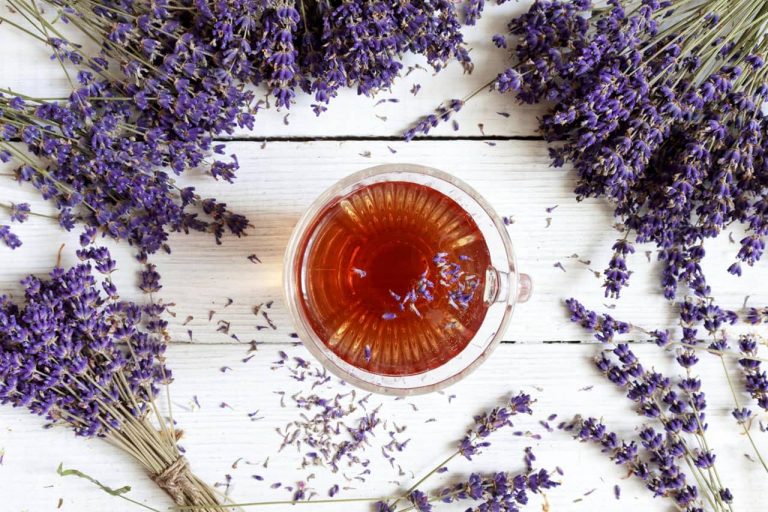
Lavender Tea: it is a refreshing and fragrant herbal tea made from the dried flowers of the lavender plant -it has a light, floral taste with a hint of sweetness -can be enjoyed hot or cold -makes an excellent addition to any tea collection Lavender is known for its calming and relaxation properties, making it the perfect tea to drink before bedtime -help with anxiety, stress, and migraines.
To make a cup of lavender tea:
start by heating water to just below boiling
add 1-2 teaspoons of dried lavender flowers to a teacup or mug
pour the hot water over the lavender and let it steep for 5-10 minutes
you can also add honey or lemon to taste
How do you make Bulgarian herbal tea?
Regarding herbal teas, Bulgaria has a long and rich tradition. Many of the most popular Bulgarian herbal teas have been passed down from generation to generation and are still enjoyed today. If you want to try some of these delicious and healthy teas, here’s a quick overview of how to make them.
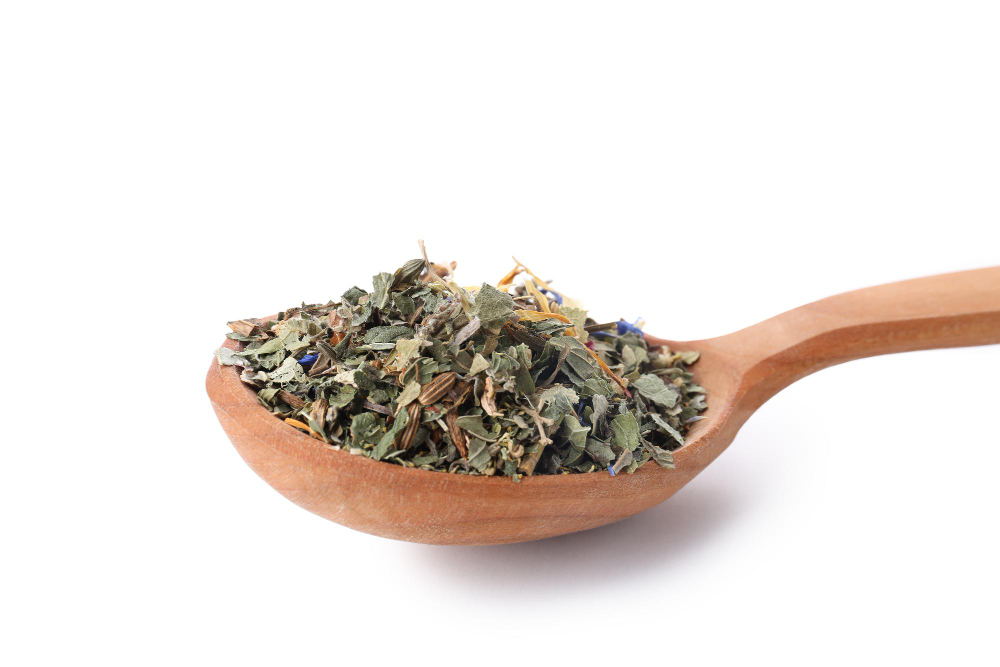
One of the most popular Bulgarian herbal teas is called stomach tea. This tea is traditionally made with mint, fennel, anise, and chamomile and is very good for digestive problems. To make stomach tea, steep 1-2 teaspoons of the herbal mixture in boiling water for 10 minutes. Strain the tea and drink it slowly, preferably after a meal.
Another popular Bulgarian herbal tea is rosehip tea. This tea is made with dried rosehips, which are rich in vitamin C. Rosehip tea is said to be good for boosting the immune system and helping to fight off colds and flu. To make rosehip tea, steep 1-2 tablespoons of dried rosehips in boiling water for 10 minutes. Strain the tea and drink it hot or cold, as desired. So there you have it – two quick and easy recipes for making some of Bulgaria’s most popular herbal teas. Give them a try and see why these teas have been enjoyed for generations!
What are the benefits of drinking Bulgarian herbal tea?
There are many benefits to drinking Bulgarian herbal tea, including its ability to improve digestion, reduce inflammation, and boost the immune system. Bulgarian herbal teas are also said to be helpful in relieving stress and promoting relaxation. Additionally, drinking Bulgarian herbal tea may help improve cognitive function and reduce the risk of chronic diseases.
How do you store herbal tea?
To get the most out of your herbal tea, it’s important to store it properly. Herbal teas can be stored in a number of ways, but the best way to store them is in an airtight container in a cool, dark place. If you’re storing your herbal tea in a cupboard or pantry, make sure to keep it away from any sources of heat or light. Heat and light can cause the herbs to lose their flavor and potency.
Once you’ve opened a package of herbal tea, it’s best to use it within six months. If you need to store it for longer than that, be sure to transfer it to an airtight container. Storing herbal tea in a glass jar with a tight-fitting lid is a good option. If you have any questions about how to store your herbal tea, be sure to ask your local herbalist or tea shop owner. They’ll be able to give you specific advice based on the type of tea you have.
Where can I buy Bulgarian herbal tea?
There are many places where you can buy Bulgarian herbal tea. You can purchase it online from sites like Amazon, eBay, or Etsy. You can also find it in stores that sell Bulgarian food products or in health food stores.
Traditional Bulgarian herbs have been used for centuries in cooking, medicine, and folkloric traditions. In this article, we will explore some of the most popular herbs used in Bulgaria and their uses.
“Herbs are the friend of the physician and the pride of cooks”
Charlemagne
Dill is a common herb used in Bulgarian cuisine. It has a subtle flavor that goes well with many dishes. Dill can be used fresh or dried.
Parsley is another popular herb in Bulgaria. It is often used as a garnish but also has a strong flavor that can be used in cooking. Parsley can be used fresh or dried.
Basil is another herb that is commonly used in Bulgarian cuisine. It has a sweet flavor that goes well with many dishes. Basil can be used fresh or dried.
Sage is an herb that is traditionally used in Bulgarian folk medicine. It is said to have many medicinal properties. Sage can be used fresh or dried.
Rosemary is an herb traditionally used in Bulgaria for its purported medicinal properties. Rosemary can be used fresh or dried.
There are many uses for traditional Bulgarian herbs. They can be used in cooking, medicine, and folklore. These herbs are a part of Bulgaria’s rich history and culture.
View of buildings on the coast of tropical island San Andres y Providencia
Traditional Bulgarian Herbs
Bulgarian herbs have been used for centuries in traditional medicine, cooking, and home remedies. Some of the most popular herbs include dill, parsley, basil, sage, and rosemary. Each herb has unique properties and benefits that make it ideal for treating various ailments or adding flavor to food.
Dill
Dill (Anethum graveolens) is an herb used in Bulgaria for centuries. It is a parsley family member and has a strong, pungent flavor. Dill is often used to flavor pickles, soups, and stews. It can also be used fresh in salads or as a garnish. Dill has many health benefits. It is rich in vitamins A and C, calcium, and iron.
Dill is also a good source of fiber. In addition, dill has antibacterial and antifungal properties. Cut the herb into small pieces to dry the dill and place on a baking sheet. Place the baking sheet in a cool, dark place for about two weeks. Once the dill is completely dry, store it in an airtight container.
Parsley
Parsley (Petroselinum crispum) is a species of flowering plant in the family Apiaceae, native to the central Mediterranean region (southern Italy, Greece, Turkey, Morocco, Algeria, and Tunisia) but widely cultivated as a herb, a spice, and a vegetable throughout the world. In Bulgaria, parsley is known as петрушка (petrushka) and is used as a garnish or decoration on many dishes. It is also used in soups and stews.
Basil
Basil (Ocimum basilicum) is a culinary herb of the family Lamiaceae. It is also known as sweet basil or tulsi. It is native to India and other tropical regions of Asia.* Basil is a tender annual herb that is grown for its leaves. The leaves are used fresh or dried in a variety of dishes. The fresh leaves have the best flavor. Basil can also be grown as an ornamental plant.
The basil leaves flavor in many dishes, including soups, stews, sauces, and salads. They can also make pesto, a famous Italian sauce with olive oil, garlic, and Parmesan cheese. Basil is a relatively easy herb to grow. It prefers full sun and well-drained soil.
It is susceptible to frost and should be planted after the last frost date in your area. Basil can be started from seed or transplants. Once established, basil needs little care. Water it regularly and pinch back the stems to encourage bushy growth. Basil will bloom in late summer or early fall. The flowers are edible, but they can reduce the leaves’ yield, so removing them is best. Harvest basil leaves when they are young and tender. Older leaves will be more bitter in flavor. Cut the stems just above a set of leaves. You can dry or freeze basil for later use.
Sage
Sage is one of the most popular herbs in Bulgariaand has a long tradition of use in Bulgarian folk medicine. Sage is known for its many medicinal properties and has been used to treat various ailments.
One of the most popular uses for sage is as a treatment for colds and flu. Sage tea is traditionally drunk to help relieve the symptoms of colds and flu. Sage is also used as a gargle for sore throats.
Sage is also said to help treat digestive disorders such as stomach upset, indigestion, and gas. Sage tea is traditionally drunk after meals to aid digestion.
Sage is also used as a general tonic and detoxifier. It is believed to help cleanse the blood and strengthen the immune system. Sage tea is traditionally drunk regularly to promote good health.
Sage can be used fresh or dried. To make sage tea, steep 1-2 teaspoons of dried sage in boiling water for 10 minutes.
Rosemary
Rosemary is a fragrant, evergreen herb native to the Mediterranean region. It is often used in cooking and has many health benefits. Rosemary is a member of the mint family and has a woody, earthy flavor. It is often used to flavor meats, soups, and stews. It can also be used to make tea. Rosemary has many health benefits.
It is a good source of antioxidants and can help boost brain function. It also has anti-inflammatory properties and can help relieve pain. If you want rosemary, it is available fresh, dried, or as an oil. You can add it to your food or take it as a supplement.
Uses for Traditional Bulgarian Herbs
Herbs have been used in Bulgaria for centuries for cooking and medicinal purposes. Some of the most common herbs used in Bulgaria are:
Dill (под пречива): Used in soups, stews, pickles, and salads. Dill is also said to aid in digestion.
Fennel (мандаринка): Used to flavor tea, meat, and fish dishes. Fennel is also said to have medicinal properties and can be used to treat stomachaches and gas.
Mint (мента): Used to flavor tea, lamb dishes, and salads. Mint is also said to have medicinal properties and can be used to treat colds and headaches.
Rosemary (розмарин): Used to flavor meat, poultry, and vegetable dishes. Rosemary is also said to have medicinal properties and can be used to treat muscle pain and improve circulation.
In addition to their culinary and medicinal uses, herbs also play a role in Bulgarian folklore. For example, it is said that wearing rosemary in your hair will protect you from evil spirits.
Cooking
Many traditional Bulgarian herbs can be used in cooking to add flavor and nutrition to your food. Some of these herbs include:
Dill: Dill can flavor soups, stews, sauces, and salads. It can also be used as a garnish for dishes such as fish or chicken.
Parsley: Parsley can flavor soups, stews, sauces, and salads. It can also be used as a garnish for dishes such as fish or chicken.
Rosemary: Rosemary can be used to flavor roasted meats or vegetables. It can also be used to make tea.
Sage: Sage can be used to flavor roasted meats or vegetables. It can also be used to make tea.
Thyme: Thyme can be used to flavor roasted meats or vegetables. It can also be used to make tea.
Medicinal
Bulgarian Rose (Rosa damascena) – The Bulgarian rose is perhaps the most well-known traditional Bulgarian herbs. It is used in various ways, including as a tonic for the digestive system, a treatment for colds and flu, and a general refreshing tonic.
Lady’s Mantle (Alchemilla vulgaris) – Lady’s mantle is another popular Bulgarian herb with medicinal uses. It is commonly used as an astringent, to treat digestive disorders, and as a diuretic. It is also sometimes used externally to treat wounds and skin irritations.
Calendula (Calendula officinalis) – Calendula is another versatile Bulgarian herb that can be used internally and externally. Internally, it is commonly used to treat digestive disorders and infections. Externally, it can treat cuts, bruises, and other skin conditions.
St John’s Wort (Hypericum perforatum) – St John’s wort is a well-known herb with a long history of use in Bulgaria. It is most commonly used to treat depression and anxiety but can also treat other conditions such as nerve pain, menstrual cramps, and headaches.
Folklore
Bulgaria is a country with a rich tradition of herbal medicine. For centuries, Bulgarian people have used herbs to treat various ailments.
Many different herbs are commonly used in Bulgarian folklore medicine. Some of the most popular herbs include witch hazel, yarrow, chamomile, mint, lavender, rosemary, sage, and thyme. These herbs are often used in teas or tinctures and are believed to have many healing properties.
Witch hazel is effective in treating skin conditions such as acne and eczema. It is also said to help reduce inflammation and soothe sore muscles. Yarrow is another herb that is commonly used to treat skin problems. It is believed to have antiseptic and anti-inflammatory properties that can help to heal wounds and reduce scars.
Chamomile is often a soothing tea for stomach upsets and digestive problems. It is also thought to help treat anxiety and insomnia. Mint is another popular herb for treating digestive issues. It is also said to help relieve headaches and muscle pain.
Lavender is considered to be a calming and relaxing herb. It is often used in teas or baths to help reduce stress and promote relaxation. Rosemary is thought to be beneficial in improving circulation and aiding in digestion. Sage is another popular herb that is said to have numerous health benefits. It is commonly used in teas or as an ingredient in soups and stews.
Thyme is an herb with a long history of use in folk medicine. It is effective in treating respiratory problems such as bronchitis and coughs. Thyme is also believed to boost the immune system and help fight off infections.
Conclusion
Herbs have been used in Bulgaria for centuries for culinary and medicinal purposes. Dill, parsley, basil, sage, and rosemary are some of the most popular herbs in Bulgarian cuisine. These herbs add flavor to dishes and have many health benefits.
In addition to being used in cooking, traditional Bulgarian herbs are also used for medicinal purposes. Dill is known to aid digestion, parsley is a natural diuretic, and basil relieves stress and anxiety. Sage and rosemary are also known to have anti-inflammatory properties.
Folklore also plays a role in the use of traditional Bulgarian herbs. Dill is said to bring good luck, parsley is said to ward off evil spirits, and basil is said to bring prosperity. Sage and rosemary are also said to have protective properties.
Whether used for cooking, medicinal purposes, or folklore, traditional Bulgarian herbs are essential to Bulgarian culture.
In this article, we will delve into some of the health benefits of Bulgarian Rose that can positively impact our physical and mental health, shedding light on the wonders hidden within its delicate petals.
In this article, we will delve into some of the health benefits of Bulgarian Rose that can positively impact our physical and mental health, shedding light on the wonders hidden within its delicate petals.
Bulgarian Rose is a fragrant flowering plant native to southeastern Europe and central and western Asia. It is cultivated for its essential oil, widely used in perfumes and skincare products. The rose symbolizes beauty and love, and its essential oil has long been used in traditional medicine for its natural healing properties.
Bulgarian Rose, scientifically known as Rosa Damascena, is a remarkable flower renowned for its mesmerizing fragrance and delicate beauty. However, beyond its aesthetic charm lies a wealth of health benefits that have been cherished for centuries.
Bulgarian Rose
The Bulgarian Rose is grown in many regions throughout Bulgaria, but mainly in the Rose Valley, and is renowned for its exquisite aroma. It is also an important symbol in Bulgarian culture and is a sign of welcome and hospitality. Bulgarian Rose has been used for centuries to treat various health conditions and has been found to have many potential health benefits.
The oil of the Bulgarian Rose contains a wide variety of compounds that can provide a range of health benefits. These include skin benefits, hair benefits, digestive benefits, immune system benefits, and other potential health benefits.
Health Benefits Of Bulgarian Rose
The skin benefits of Bulgarian Rose include its ability to soothe and moisturize the skin, control redness and irritation, and reduce signs of aging. The oil’s antioxidant properties can help protect the skin from damage caused by free radicals. It can also help to reduce inflammation and promote healing.
Bulgarian Rose also has potential hair benefits. It helps to strengthen and nourish hair, deeply hydrate and repair damage, and promote hair growth.
The digestive benefits of Bulgarian Rose include its ability to improve digestion and reduce symptoms of bloating and nausea. It can also help to improve gut health by reducing inflammation and regulating gut bacteria.
Bulgarian Rose also has potential immune system benefits. It helps to boost the immune system and fight off infections and viruses. It can also help improve overall health and well-being by nourishing and supporting the body.
Finally, Bulgarian Rose can help to improve mood and reduce stress. It can help to regulate blood pressure and cholesterol levels, as well as reduce fatigue and exhaustion.
These health benefits of Bulgarian Rose make it an attractive and beneficial natural remedy for various ailments. It is important to note that it is best to consult your healthcare provider before taking any herbal supplement.
Skin Benefits
The Bulgarian Rose has been renowned for its excellent skin benefits for centuries. It helps to soothe and moisturize the skin while also controlling the redness, irritation, and inflammation of the skin. The Bulgarian Rose is also known for its anti-aging effects. The antioxidants in the Bulgarian Rose can help reduce wrinkles and fine lines, giving the skin a more youthful and radiant look.
Bulgarian Rose also has powerful antibacterial properties. It helps to protect against the bacteria that can cause acne and other skin-related issues. Additionally, it helps to reduce the appearance of scars and other skin discoloration.
The Bulgarian Rose is also a great source of Vitamin C, which is vital for maintaining healthy skin. Vitamin C helps to protect the skin from free radicals, which can cause wrinkles, age spots, and other skin-related issues. Vitamin C also helps boost collagen production, which keeps the skin firm and plump.
The Bulgarian Rose contains numerous essential fatty acids necessary for keeping the skin hydrated and healthy. The fatty acids not only help to improve the moisture levels in the skin, but they also help to reduce the appearance of wrinkles and fine lines.
The Bulgarian Rose also contains Vitamin A, essential for maintaining healthy skin. Vitamin A is vital for maintaining youthful and healthy skin by stimulating cell renewal. Additionally, it aids in diminishing the visibility of dark spots and imperfections.
Finally, the Bulgarian Rose also contains plenty of other vitamins and minerals, such as Vitamin E, which helps to nourish and repair the skin. It also helps to protect the skin against environmental damage, such as UV rays and pollution.
Hair Benefits
Bulgarian Rose is a powerful natural ingredient used for centuries for its health benefits, including its effects on hair. Bulgarian rose has become increasingly popular in hair care products for its unique properties that help to promote healthy and strong hair.
Bulgarian roses can help to soothe and nourish the scalp, which can help to reduce symptoms of dryness and flaking. It is rich in antioxidants, which can help to protect the hair from environmental stressors, such as sun damage. It also contains Vitamin C, which can help stimulate collagen production, which is essential for healthy hair growth.
Bulgarian rose is also a powerful hydrator, which helps to nourish and moisturize the hair deeply. It can help to reduce split ends and tame frizz, leaving the hair feeling soft and silky. It also helps to protect the hair from breakage, making it an ideal ingredient for those with dry and brittle hair.
Bulgarian rose’s anti-inflammatory and antiseptic properties make it an excellent choice for those suffering from scalp conditions such as dandruff and scalp psoriasis. Its calming and soothing effects can help to reduce inflammation and irritation, while its antifungal properties can help to reduce the growth of bacteria.
Bulgarian rose also helps promote healthy hair growth by encouraging blood circulation to the scalp. It is rich in minerals and vitamins, such as iron, magnesium, and zinc, essential for healthy hair growth. Regularly using Bulgarian rose-based products can help promote healthy and strong hair.
Finally, Bulgarian rose helps to protect the hair from damage caused by styling and heat treatments. It helps to strengthen the strands, which can help to protect them from damage caused by hot tools and styling products. It also helps to seal in moisture, which can help to keep the hair soft and shiny.
Overall, Bulgarian rose is a potent and versatile ingredient that can help to promote healthy hair. Its hydrating, nourishing, and protective properties make it an ideal choice for those looking to improve the health and appearance of their hair.
Digestive Benefits
Bulgarian Rose is a powerful natural remedy for centuries to promote digestive health. Bulgarian Rose has a wide range of health benefits, and its use for the digestive system is no exception. It is known to help reduce symptoms of bloating and nausea. It can also help to improve gut health and digestion.
The therapeutic properties of Bulgarian Rose make it an effective remedy for digestive issues. It contains various nutrients and vitamins, such as Vitamin C, that can help reduce inflammation in the digestive tract. It also contains powerful antioxidants that can help to protect the digestive system from free radical damage.
Bulgarian Rose can help to restore the balance of gut bacteria. This is due to its antibacterial and anti-viral properties. It can also help improve nutrient absorption in the digestive system. This is due to its ability to promote the growth of beneficial bacteria in the gut.
Bulgarian Rose can also help reduce irritable bowel syndrome (IBS) symptoms. This is due to its anti-inflammatory properties. It can help to reduce bloating and abdominal pain. It can also help to improve digestion and reduce the symptoms of constipation.
Bulgarian Rose can also help to reduce acid reflux. It can help to reduce the production of acid in the stomach, thereby reducing the burning sensation caused by acid reflux. It can also help to relieve indigestion and improve overall digestion.
Bulgarian Rose for digestive health is a centuries-old remedy still used today. Its numerous health benefits for the digestive system make it a powerful remedy for various digestive issues. It can help reduce symptoms of bloating and nausea and improve gut health and digestion. It can also help reduce symptoms of IBS, acid reflux, and indigestion.
Immune System Benefits
Bulgarian rose is a powerful source of antioxidants and natural compounds that can help to strengthen and boost the immune system. These natural compounds include polyphenols, flavonoids, and oleanolic acid, which have powerful immune-boosting effects. Bulgarian rose also contains vitamins A, C, E, and K, which help to fight off infections and viruses.
It has anti-inflammatory properties that can help reduce inflammation and redness and soothe skin irritations. These same properties can also help to protect the body from bacteria and viruses. In addition, Bulgarian rose has been shown to stimulate the production of white blood cells and lymphocytes, which are essential for the proper functioning of the immune system.
Bulgarian rose also contains ellagic acid, which helps to reduce the negative effects of free radicals and can help to protect cells from damage. This helps to strengthen the immune system and can help to reduce the risk of infections and other diseases.
The natural compounds found in Bulgarian rose can help to improve the body’s ability to fight off infections and reduce inflammation. Studies have shown that Bulgarian rose can help to reduce the symptoms of cold and flu and can also help to boost the body’s natural defenses.
Bulgarian rose can also help to improve overall health and well-being. It has been linked to improved digestion, mood, reduced stress, improved energy levels, and mental clarity.
The antioxidants found in Bulgarian rose can also help reduce the risk of certain cancers and other diseases and help reduce the signs of aging. It can also help to reduce cholesterol levels, improve cardiovascular health, and regulate blood pressure.
Overall, the Bulgarian rose is a potent source of antioxidants and natural compounds that can help to strengthen and boost the immune system. Its numerous health benefits make it an excellent choice for those looking to improve their health and well-being.
Other Benefits
The health benefits of Bulgarian Rose extend far beyond skin and hair care. Bulgarian Rose has also been known to positively affect our body’s other systems, such as our digestive and immune systems. It also has several other potential benefits contributing to overall health and well-being.
Mood and Stress: Studies have shown that Bulgarian Rose can help regulate mood and reduce stress levels. This is due to its unique combination of antioxidants and polyphenols, which have been found to reduce anxiety and promote relaxation.
Blood Pressure and Cholesterol: Bulgarian Rose contains powerful antioxidants and flavonoids to help reduce cholesterol levels and regulate blood pressure. By decreasing LDL cholesterol levels, Bulgarian Rose can help reduce the risk of heart disease and stroke.
Fatigue and Exhaustion: Bulgarian Rose is packed with essential vitamins and minerals, which can help to reduce fatigue and exhaustion. Its potent antioxidants and flavonoids can help to boost energy levels, improve sleep quality, and reduce stress.
The Bulgarian Rose is a truly remarkable flower that has many health benefits. Its unique combination of vitamins, minerals, antioxidants, and polyphenols can help promote overall health and well-being. From soothing and moisturizing the skin to strengthening and nourishing the hair to improving digestion, boosting the immune system, and reducing stress, the health benefits of Bulgarian Rose are truly remarkable. Regular use of Bulgarian Rose can help improve our overall health and well-being.
From skincare to mental well-being, the Bulgarian Rose has been celebrated for its therapeutic properties and is increasingly gaining recognition in holistic medicine.
Whether you are seeking natural remedies for common ailments or simply looking to incorporate more sustainable ingredients into your daily routine, join us on a journey to discover the incredible potential of Bulgarian Rose in promoting vitality and vitality in your life.
To provide the best experiences, we use technologies like cookies to store and/or access device information. Consenting to these technologies will allow us to process data such as browsing behavior or unique IDs on this site. Not consenting or withdrawing consent, may adversely affect certain features and functions.
Functional
Always active
The technical storage or access is strictly necessary for the legitimate purpose of enabling the use of a specific service explicitly requested by the subscriber or user, or for the sole purpose of carrying out the transmission of a communication over an electronic communications network.
Preferences
The technical storage or access is necessary for the legitimate purpose of storing preferences that are not requested by the subscriber or user.
Statistics
The technical storage or access that is used exclusively for statistical purposes.The technical storage or access that is used exclusively for anonymous statistical purposes. Without a subpoena, voluntary compliance on the part of your Internet Service Provider, or additional records from a third party, information stored or retrieved for this purpose alone cannot usually be used to identify you.
Marketing
The technical storage or access is required to create user profiles to send advertising, or to track the user on a website or across several websites for similar marketing purposes.