

Linden tea benefits have made this gentle herbal infusion a favorite in many cultures for centuries. Made from the fragrant flowers of the linden tree, linden tea is known for its delicate floral flavor, soothing aroma, and traditional wellness uses.
Beyond its pleasant taste, linden tea may offer a variety of potential health benefits. These potential linden tea benefits are one reason the tea remains popular in traditional wellness practices today. Many people enjoy it as a caffeine-free beverage that can help promote relaxation, support healthy sleep habits, and provide comfort during cold weather. It also contains natural plant compounds that contribute to its popularity as a traditional herbal remedy.
In this guide, we’ll explore the most notable linden tea benefits, how to prepare this comforting herbal tea, possible side effects to consider, and why it continues to be one of the most beloved herbal infusions around the world.
If you enjoy learning about traditional herbal infusions, be sure to explore our guide to Bulgarian herbal teas and discover some of the country’s most popular natural remedies.
What Is Linden?
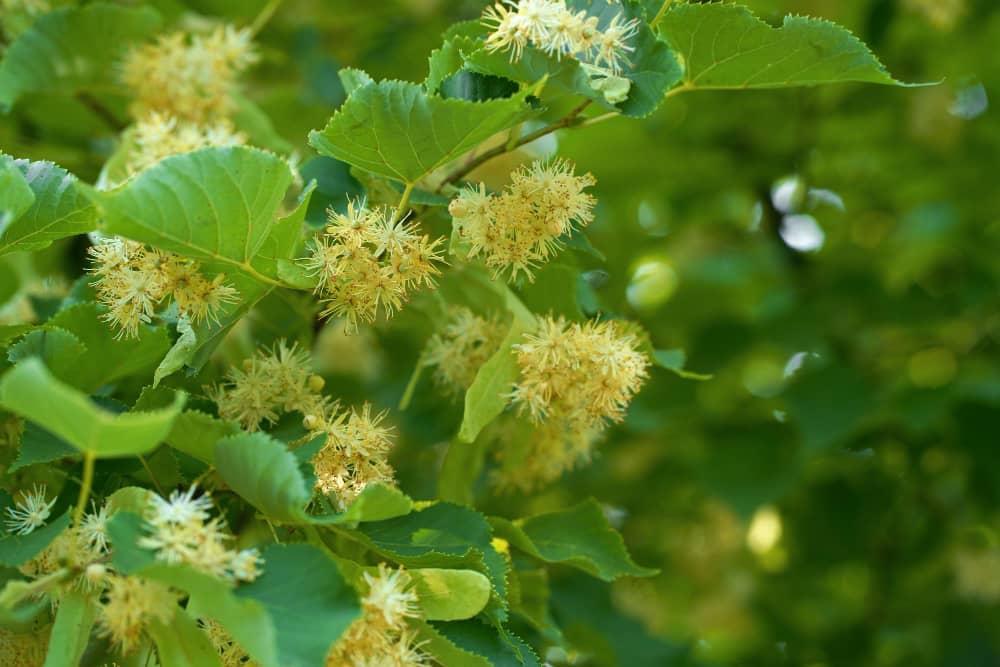
Linden, also known as lime tree or basswood, refers to a group of trees in the Tilia genus. These beautiful deciduous trees are native to parts of Europe, North America, and Asia and are easily recognized by their heart-shaped leaves and fragrant yellow-white flowers.
For centuries, linden trees have been valued not only for their beauty but also for their traditional culinary and herbal uses. During the summer months, the trees produce clusters of sweet-smelling blossoms that attract bees and are commonly harvested for herbal teas.
There are around 30 species of linden trees, many of which can grow between 50 and 80 feet tall. The flowers, leaves, and sometimes the bark have been used in traditional herbal practices throughout history. Today, dried linden flowers are most commonly used to make linden tea, a caffeine-free herbal infusion known for its delicate floral flavor and soothing aroma.
Learning more about the linden tree helps explain why this herbal tea has remained popular in traditional wellness practices for generations.
Because of its pleasant taste and long history of use, linden tea remains a popular herbal beverage enjoyed around the world.
Linden Tea Benefits
Linden tea has been enjoyed for generations for its delicate floral flavor, soothing aroma, and traditional wellness uses. Made from the flowers of the linden tree, this caffeine-free herbal tea is often consumed as a relaxing beverage that can be enjoyed throughout the day.
While research on linden tea is still ongoing, it has long been associated with relaxation, sleep support, and overall well-being. Below are some of the most commonly discussed linden tea benefits.
May Help Support Healthy Blood Pressure
Linden tea has traditionally been used as a calming herbal beverage, and some research suggests that certain plant compounds found in linden flowers may support cardiovascular health. Because stress can sometimes contribute to temporary increases in blood pressure, the relaxing qualities of linden tea may indirectly support overall heart wellness.
However, linden tea should not be considered a treatment for high blood pressure, and anyone with cardiovascular concerns should consult a healthcare professional before using herbal remedies.
May Help Reduce Stress And Anxiety
One of the most popular linden tea benefits is its potential calming effect. Many people enjoy a warm cup of linden tea when they want to unwind after a busy day or create a relaxing evening routine.
Its pleasant aroma and naturally caffeine-free nature make it a comforting choice for those looking to reduce daily stress and promote a sense of calm. While individual experiences vary, linden tea has long been used in traditional herbal practices as a relaxation tea.
May Support Better Sleep
Linden tea is often consumed before bedtime because of its soothing qualities. Many herbal tea enthusiasts include it in their nighttime routine as a way to relax and prepare for sleep.
Because it contains no caffeine, linden tea can be a suitable alternative to coffee, black tea, or energy drinks in the evening. While it is not a cure for insomnia, enjoying a warm cup before bed may help create a calming environment that supports healthy sleep habits and a more restful night.
Among the most popular linden tea benefits is its potential to promote relaxation. Many people enjoy a warm cup in the evening as part of a calming bedtime routine.
Similar to Chamomile Tea Benefits, linden tea is often enjoyed as part of a relaxing evening routine.

May Help Reduce Pain And Inflammation
Another commonly discussed benefit of linden tea is its potential to support the body’s natural response to inflammation. Linden flowers contain plant compounds and antioxidants that have attracted interest for their possible wellness-supporting properties.
For centuries, linden tea has been used in traditional herbal practices as a comforting beverage when experiencing minor aches and discomfort. While scientific research is still ongoing, many people enjoy linden tea as part of a balanced lifestyle focused on overall well-being.
Its warm, soothing nature and antioxidant content make it a popular herbal tea choice for those seeking natural ways to support everyday health. However, linden tea should not be considered a replacement for professional medical treatment or prescribed medications.
May Help During Cold Season
A warm cup of linden tea can be especially comforting during the colder months of the year. The soothing steam and pleasant floral aroma may help provide temporary comfort for the throat and promote a feeling of warmth when you’re under the weather.
Many people enjoy linden tea alongside rest, proper hydration, and a balanced diet during cold season. Although it is not intended to treat or cure illness, it remains a popular traditional herbal tea during periods of seasonal discomfort.
If you enjoy traditional herbal teas, you may also want to read our guide to Mursal Tea Benefits, one of the most popular mountain teas in the Balkans.
May Support Digestion
Digestive comfort is another one of the commonly discussed linden tea benefits. For generations, linden tea has been enjoyed after meals as a soothing herbal beverage. Many people find that warm herbal teas can help promote comfort and relaxation following heavy or rich meals.Many people find that warm herbal teas can help promote comfort and relaxation following heavy or rich meals.
Its gentle nature and pleasant flavor make it a popular choice for those looking to support overall digestive wellness. While more scientific research is needed, linden tea continues to be used in many cultures as part of a healthy digestive routine.
Greek Mountain Tea Benefits is another helpful guide if you’re interested in traditional herbal infusions from Southeastern Europe.
May Have Mild Diuretic Effects
Linden tea has traditionally been associated with mild diuretic properties, meaning it may encourage the body to eliminate excess fluids through increased urination. Because of this, some people choose to drink linden tea as part of their general wellness routine.
As with any beverage that may influence fluid balance, it is important to stay properly hydrated throughout the day. Drinking linden tea in moderation is generally recommended as part of a balanced and healthy lifestyle.
How To Make Linden Tea
Making linden tea at home is simple and requires only a few ingredients. The result is a light, floral herbal infusion that can be enjoyed hot or cold.
Ingredients
- 1 to 2 teaspoons dried linden flowers
- 1 cup hot water
- Honey or lemon (optional)
Instructions
- Place the dried linden flowers in a tea infuser or directly into a cup.
- Pour hot water over the flowers.
- Cover and let steep for 5 to 10 minutes.
- Strain if necessary.
- Add honey or lemon if desired and enjoy.
For a stronger flavor, allow the tea to steep a few minutes longer. You can also prepare a larger batch and chill it for a refreshing iced herbal tea. Many people drink linden tea regularly to enjoy its flavor and explore the potential linden tea benefits associated with this traditional herbal infusion.
When To Drink Linden Tea
Linden tea can be enjoyed throughout the day, but certain times may be especially beneficial depending on your goals. Depending on your goals, certain linden tea benefits may be especially appealing at different times of the day.
In The Evening
Many people prefer drinking linden tea in the evening because of its calming qualities. A warm cup can be a relaxing addition to a nighttime routine.
Before Bed
Since linden tea is naturally caffeine-free, it is often enjoyed before bedtime as a soothing herbal beverage that may help support healthy sleep habits.
After Meals
Some people drink linden tea after meals as part of their digestive wellness routine. Its gentle flavor makes it a pleasant choice following lunch or dinner.
During Cold Weather
A warm cup of linden tea can be especially comforting during colder months. The floral aroma and warmth make it a popular seasonal beverage.
Any Time You Want A Caffeine-Free Drink
Linden tea is an excellent alternative to coffee, black tea, or other caffeinated beverages. It can be enjoyed any time you want a flavorful herbal tea without the stimulating effects of caffeine.
Linden Tea Side Effects And Precautions
Linden tea is generally considered safe for most healthy adults when consumed in moderation. However, as with any herbal tea, there are a few precautions to keep in mind.
Possible Allergic Reactions
Individuals who are sensitive to pollen or plants related to the linden tree may experience allergic reactions. Symptoms can include itching, skin irritation, or other allergy-related discomfort. If you notice any unusual reactions after drinking linden tea, discontinue use and seek medical advice.
Pregnancy And Breastfeeding
There is limited research regarding the safety of linden tea during pregnancy and breastfeeding. As a precaution, pregnant or nursing individuals should consult a healthcare professional before consuming linden tea regularly.
Heart Conditions
People with existing heart conditions should speak with their healthcare provider before adding linden tea to their routine. While linden tea has traditionally been used for wellness purposes, professional medical guidance is always recommended when managing cardiovascular health.
Medication Interactions
Because herbal teas can sometimes interact with medications, individuals taking prescription drugs—especially those related to blood pressure, sleep, or fluid balance—should consult their healthcare provider before consuming linden tea regularly.
For additional information about herbal supplements and natural health products, visit the National Center for Complementary and Integrative Health (NCCIH).
Enjoy In Moderation
Like most herbal beverages, linden tea is best enjoyed as part of a balanced lifestyle. Moderate consumption is generally recommended to help minimize the risk of unwanted side effects.
To learn more about the history of natural remedies in the region, explore our guide to Bulgarian Herbal Medicine Traditions.
Frequently Asked Questions
Does linden tea contain caffeine?
No. Linden tea is naturally caffeine-free, making it a popular choice for those looking for a relaxing herbal beverage during the evening or before bedtime.
What does linden tea taste like?
Linden tea has a light, floral flavor with subtle natural sweetness. Many people describe it as smooth, delicate, and soothing.
Can I drink linden tea every day?
Most healthy adults can enjoy linden tea in moderation as part of a balanced diet. If you have a medical condition or take prescription medications, consult your healthcare provider before making it a daily habit.
Is linden tea good before bed?
Many people enjoy linden tea before bed because it is naturally caffeine-free and traditionally associated with relaxation. In fact, sleep support is often considered one of the most popular linden tea benefits.
Can linden tea be served cold?
Yes. Linden tea can be enjoyed hot or cold. Simply brew the tea, allow it to cool, and refrigerate for a refreshing iced herbal drink.
Final Thoughts On Linden Tea Benefits
The many linden tea benefits have helped make this gentle herbal infusion a favorite for generations. With its delicate floral flavor, soothing aroma, and caffeine-free nature, linden tea offers a relaxing way to support your daily wellness routine.
Whether you’re looking for a calming evening beverage, a comforting tea during cold weather, or simply a flavorful herbal alternative to caffeinated drinks, linden tea is worth exploring. Its potential benefits for relaxation, sleep support, digestion, and overall well-being continue to make it one of the most popular herbal teas around the world.
From relaxation and sleep support to digestive wellness and antioxidant content, the many linden tea benefits continue to make this herbal infusion a favorite among tea enthusiasts around the world.
While linden tea should not replace professional medical advice or treatment, it can be a pleasant addition to a balanced lifestyle. Brew a warm cup, sit back, and enjoy the comforting experience that has made linden tea a beloved herbal remedy for centuries.